
Why Your First Guitar Strap Matters More Than You Think
When purchasing a first guitar, most of the focus naturally goes toward the instrument itself, the amplifier, or the picks. However, the guitar strap is the primary physical interface between your body and your instrument. Selecting an unsuitable strap can quickly lead to physical discomfort, poor playing habits, and even expensive accidents if the instrument slips from your shoulder.
A poorly chosen strap often causes shoulder fatigue, neck strain, or an awkward wrist angle that hinders your fretting hand. For beginners, consistency is the key to building muscle memory. If your guitar constantly shifts, slides, or sits at an incorrect height, your progress will suffer as you constantly adjust your posture instead of focusing on your chords.
Your first strap should prioritize safety, reliability, and physical comfort over complex aesthetics or expensive branding. A secure connection to the guitar ensures you can practice with confidence, whether you are sitting in a bedroom or standing up. By understanding a few basic physical dimensions and material properties, you can easily find a strap that supports your learning journey without overcomplicating the decision.
Products mentioned in this guide
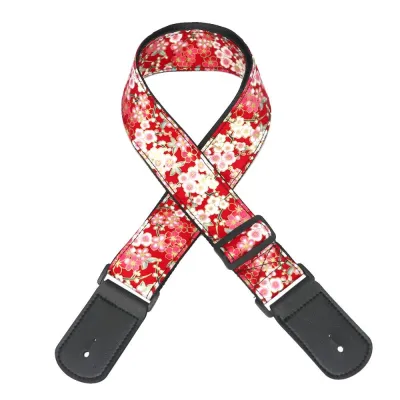
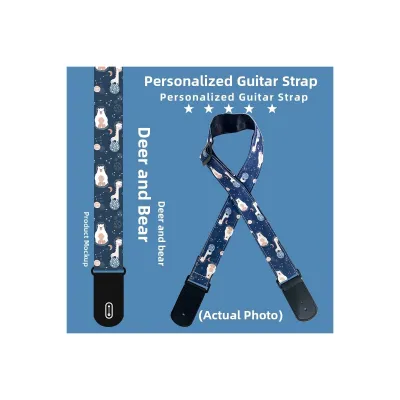
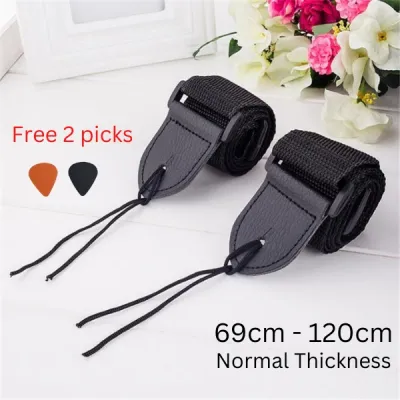
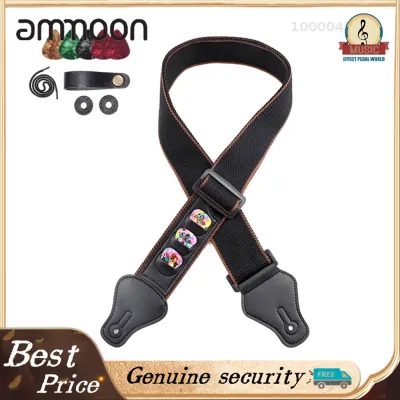
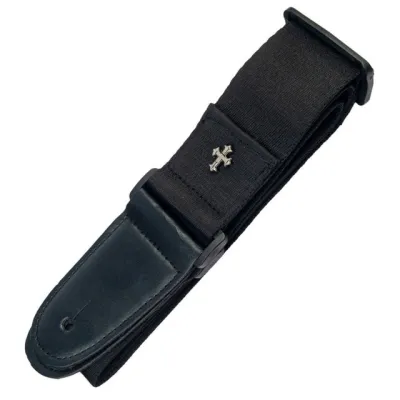
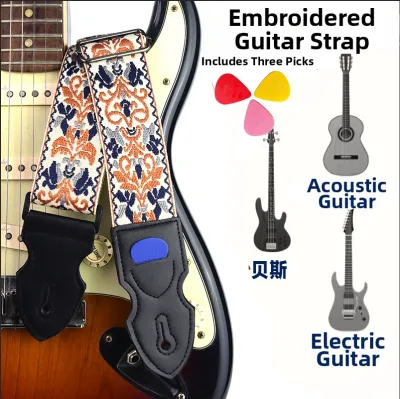
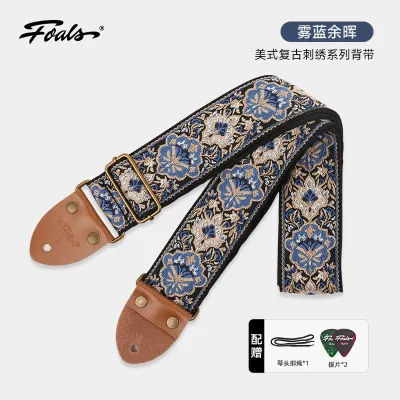
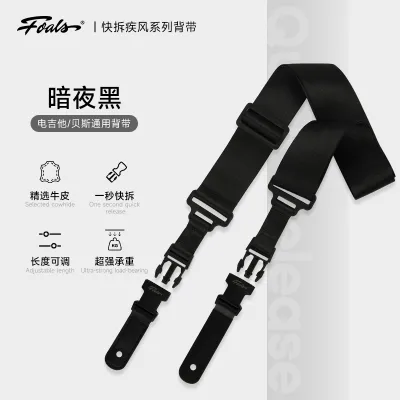
Prices are valid at publication and may change. Please refer to the product page for the latest price.
Key Features to Evaluate Before Buying
Before browsing through endless online listings, it is helpful to understand the core specifications that define how a strap performs. Evaluating these features beforehand will help you match a strap to your body type, your guitar, and your local environment.

Material Choices and Climate Considerations
Guitar straps are commonly made from woven nylon, cotton, polyester, leather, or suede. Woven synthetic materials like nylon and polyester are incredibly durable, highly affordable, and require virtually no maintenance. Cotton offers a softer, more fabric-like feel against the neck but tends to absorb moisture more readily.
In humid climates, such as Singapore’s tropical environment where relative humidity regularly exceeds 80 percent, material choice requires extra care. Natural, untreated leather and thick cotton can absorb atmospheric moisture and sweat, making them susceptible to stiffness, mildew, or mold if left in closed cases. Synthetics like nylon or specially treated, sealed leathers are highly recommended for low-maintenance storage in these conditions.
Suede and raw leather offer excellent natural grip against clothing, which helps keep the guitar in a stable position. However, if you choose leather, you must ensure your practice space is well-ventilated or air-conditioned, and you should store the strap outside of a humid gig bag when not in use.
Width and Padding for Weight Distribution
The width of a strap directly dictates how heavy the guitar will feel on your shoulder. Standard guitar straps are typically 2 inches (about 5 cm) wide, which is sufficient for lightweight instruments. For heavier instruments, straps measuring 3 inches (about 7.5 cm) or wider are common.
The physics of weight distribution rely on surface area: a wider strap spreads the downward force of the guitar across a larger portion of your trapezius muscle. This prevents the strap from digging into your shoulder during extended practice sessions. Padding, often made of neoprene, memory foam, or felt, further cushions the shoulder and absorbs minor movements as you play.
Attachment Methods and Security
Most guitar straps feature leather or synthetic end tabs with pre-cut slits and holes designed to slip over the metal strap buttons installed on your guitar. The fit should be snug; if the hole slips on and off too easily, the strap is at risk of detaching unexpectedly during play.
For acoustic guitars that only have a single strap button at the base of the body, you will need a strap that includes a tie-string, or you must purchase a separate headstock adapter. This adapter wraps securely around the headstock just above the nut, providing an anchor point for the front end of the strap.
To prevent accidental drops, players often use strap locks or integrated locking mechanisms. These systems mechanically lock the strap to the button, ensuring it cannot slip off unless a release button is pressed. Beginners can also use simple rubber washers over their standard buttons as a highly cost-effective security measure.
Adjustability and Length Range
Most standard straps offer an adjustable length range between 35 and 60 inches (approximately 89 to 152 cm). It is vital to check these specifications before purchasing, especially if you are exceptionally tall, short, or prefer to wear your guitar particularly high or low.
Your strap needs to accommodate different playing postures. When practicing while seated, the strap should be adjusted to keep the guitar at the same height as when you stand, ensuring your wrists maintain a safe, consistent angle. Look for straps with smooth slider buckles for quick adjustments, or feed-through loop designs for a more permanent, set-and-forget fit.
Matching the Strap to Your Specific Guitar Type
Different styles of guitars present unique physical challenges, meaning a strap that works perfectly for one instrument might be highly uncomfortable or impractical for another.
Acoustic Guitars
Acoustic guitars are generally lightweight, typically weighing between 1.5 and 2.5 kg. Because they are relatively light, you rarely need a heavily padded or extra-wide strap to maintain comfort during a practice session.
However, their large, hollow bodies can make them feel bulky against your torso. To ensure compatibility, verify whether your acoustic guitar has one or two strap buttons. If it only has one button at the bottom, look for a strap that explicitly includes a headstock tie-string or purchase a dedicated leather headstock strap connector to avoid damaging the wood or tuning pegs.
Electric Guitars
Solid-body electric guitars are significantly heavier than acoustics, often weighing between 3 and 4.5 kg. This extra weight makes strap width and security much more critical to prevent shoulder fatigue.
Some electric guitar body shapes suffer from a balance issue known as “neck dive,” where the headstock pulls downward when you let go of the neck. To counteract this, look for straps made of high-friction materials like suede or textured woven fabrics. The friction against your shirt will help keep the neck at a proper, upward angle without requiring your fretting hand to constantly support the weight.
Bass Guitars
Bass guitars are among the heaviest common stringed instruments, often exceeding 4.5 to 5.5 kg due to their larger bodies and longer necks. A standard, unpadded 2-inch strap will quickly dig into your shoulder, causing localized pain and potentially pinching nerves.
For a bass guitar, a wide, padded strap is highly recommended. Look for straps that are at least 3 inches wide and feature dense neoprene or memory foam padding. This design distributes the substantial weight across your back and shoulder, allowing you to practice proper technique for longer periods without physical distraction.
Recommended Guitar Strap Types for Beginners
To help narrow down your choices, here are the four most common categories of guitar straps suitable for beginners, along with their primary advantages and limitations.
Standard Woven Nylon Straps
Best For: Budget-conscious beginners, students, and players using lightweight electric or acoustic guitars.
Standard woven nylon straps are the most common entry-level options on the market. They are highly durable, incredibly easy to adjust using plastic or metal sliders, and are widely available in a massive variety of colors and patterns.
- Pros: Highly affordable (typically ranging from S$10 to S$25), exceptionally durable, easy to clean, and completely unaffected by high humidity or sweat.
- Cons: The material is relatively thin and slick, meaning it offers very little grip against clothing and can slide around easily. The edges of cheap nylon can also feel sharp or abrasive against bare skin.
Padded Neoprene or Memory Foam Straps
Best For: Bass players, heavy solid-body electric guitarists, or any beginner prone to shoulder and neck fatigue.
These straps prioritize physical comfort by incorporating high-density padding materials directly into the shoulder area. Neoprene straps often feature a slight elastic stretch, which acts as a shock absorber when you move with the instrument.
- Pros: Superior weight distribution, excellent pressure relief, and reduced shoulder strain during long practice sessions.
- Cons: They are physically bulkier to roll up and store inside a standard guitar case pocket. Additionally, thick padding can retain body heat and sweat, which can feel warm during long sessions in non-air-conditioned rooms.
Suede or Grippy Leather Straps
Best For: Players dealing with neck-heavy guitars, or those who prefer a traditional, classic aesthetic.
Suede and soft leather straps provide a premium feel and natural slip resistance. The underside of a suede strap has a textured nap that naturally clings to your clothing, keeping the guitar firmly in place.
- Pros: Exceptional stability that prevents neck dive, highly durable construction, and a classic look that ages beautifully.
- Cons: Requires regular maintenance to prevent stiffening or mold in humid environments. They are generally more expensive, with entry-level options starting around S$40 to S$80.
Straps with Integrated Locking Systems
Best For: Active players, younger students, or anyone concerned about dropping their instrument.
These straps feature specialized, built-in locking mechanisms on the end tabs. Instead of requiring you to install aftermarket metal hardware on your guitar, the strap itself features a secure clenching mechanism that locks onto your existing factory strap buttons.
- Pros: Provides excellent security against accidental drops without modifying your guitar; easy to transfer between different guitars.
- Cons: The locking ends are made of rigid plastic, which can be slightly bulky and may scratch the guitar's finish if packed tightly inside a gig bag.
How to Attach, Adjust, and Maintain Your Strap Safely
Once you have selected your strap, proper installation, adjustment, and care will ensure both your physical safety and the longevity of your instrument.
Attachment To attach a standard strap, carefully push the guitar’s metal buttons through the pre-cut slits in the leather end tabs. Always ensure the slit is oriented so that the weight of the guitar pulls against the solid part of the tab rather than forcing the slit open. If you are using an acoustic guitar with a headstock tie-string, loop the string securely underneath the guitar strings just behind the nut, making sure it does not interfere with the tuning keys or press down on the strings.
Adjustment To find your ergonomic sweet spot, stand up and adjust the strap length until the guitar sits at roughly the same height as it does when you are sitting down. Your elbows should form a comfortable angle of slightly more than 90 degrees when playing, and your wrists should remain relatively straight when fretting chords. Avoid wearing the guitar too low, as this forces your fretting wrist into a severe bend, increasing the risk of strain injuries over time.
Safety Checks Before every practice session, take five seconds to inspect the connection points. Look for any signs of stretching, tearing, or loosening in the leather keyholes. If the holes become loose enough that the strap slips off the button with minimal effort, it is time to replace the strap or install a dedicated set of strap locks. Additionally, inspect any metal buckles or adjustment hardware for signs of rust or sharp edges that could scratch your guitar’s finish.
Maintenance To combat the effects of humidity and sweat, wipe down synthetic straps with a dry cloth after heavy use. If you use a padded neoprene strap, allow it to air out in a well-ventilated room rather than immediately packing it into a dark, humid gig bag. For suede or leather straps, store them in a dry, ventilated area. If the leather begins to feel dry or stiff, apply a small amount of specialized leather conditioner to keep the fibers supple and prevent cracking.
Frequently Asked Questions (FAQ)
Do I need to buy strap locks separately?
Strap locks are not strictly mandatory if you only practice while sitting down. However, if you plan to stand, move around, or perform, they are highly recommended to prevent the strap from slipping off the buttons. If you do not want to buy expensive metal locking systems, a pair of inexpensive, food-grade rubber washers slipped over your standard strap buttons works exceptionally well as a simple, reversible security measure.
What is the ideal length for a guitar strap?
There is no single correct length, as the ideal setting depends entirely on your height, torso length, and playing style. As a general rule, adjust the strap so that the center of the guitar’s body rests near your waist or lower abdomen. This position provides a balanced compromise, allowing your strumming arm to move freely while keeping the neck high enough for your fretting hand to access the entire fretboard comfortably.
Will a thick or padded strap damage my guitar's finish?
Most modern guitars feature highly durable polyurethane or polyester finishes, which are completely impervious to standard nylon, neoprene, and foam padding materials. However, if your guitar has a vintage-style, delicate nitrocellulose lacquer finish, you must exercise caution. Certain synthetic rubbers, plastics, and cheap dyes used in inexpensive strap paddings can chemically react with nitrocellulose over time, leaving permanent cloudy marks or soft spots in the lacquer. If your guitar has a nitrocellulose finish, look for straps explicitly labeled as safe for lacquer, or use natural cotton or untreated leather.
Community discussion
Share your experience or ask a question. Comments are reviewed before publication.