
Choosing your first guitar is an exciting milestone, and Ibanez is a highly popular brand for beginners due to its ergonomic designs, thin necks, and versatile electronics. To find the right match, you need to understand the brand’s naming conventions, match the guitar’s specifications to your musical preferences, and budget for both the instrument and essential accessories.
Understanding Ibanez Guitar Series for Beginners
To navigate the extensive catalog of Ibanez, you must first understand how the brand categorizes its instruments. Ibanez divides its offerings into three primary families: electric guitars, acoustic guitars, and bass guitars. While the brand is globally renowned for its high-performance electric guitars, they also produce highly reliable acoustic and bass instruments suitable for novices. For an absolute beginner, the key is identifying the entry-level tier to avoid spending a premium on features designed for touring professionals.
The dedicated gateway to the brand is the Gio series, easily identified by the “G” prefix in their model names, such as GRG, GRX, or GSR for basses. These instruments are engineered specifically for beginners, translating the ergonomic designs of high-end models into affordable packages. In contrast, series like the Standard line offer mid-tier performance, while the Premium, Prestige, and J. Custom lines represent high-end, professional-grade instruments. Purchasing a professional-tier guitar as a beginner often leads to unnecessary expenses on complex hardware, such as intricate locking tremolo systems, which can complicate the learning process.
Products mentioned in this guide
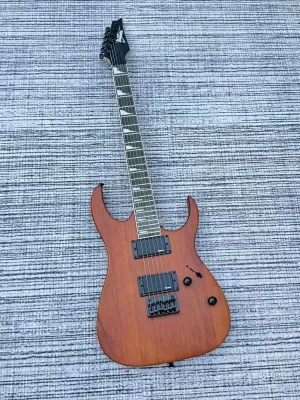
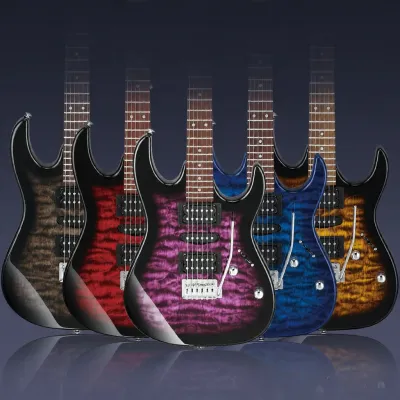
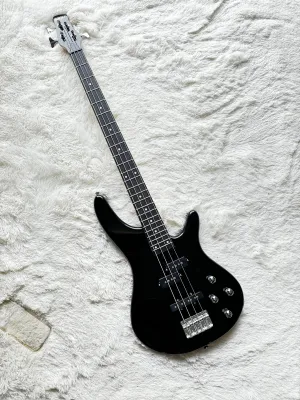
Prices are valid at publication and may change. Please refer to the product page for the latest price.
The core design philosophy of the entry-level Gio series centers on playability and physical comfort. Ibanez recognizes that a beginner’s greatest obstacle is hand fatigue and physical discomfort. By prioritizing lightweight body woods, slender neck profiles, and accessible controls, these entry-level models help new players practice longer with fewer physical barriers.
Matching Your Playing Style to the Right Ibanez Model
Your musical preferences and physical comfort should dictate the specific model shape and configuration you choose. Ibanez is famous for several iconic body shapes, each offering distinct advantages. The RG shape, characterized by its sharp double-cutaways and aggressive styling, is the most popular choice for rock and metal enthusiasts due to its excellent access to the higher frets. If physical weight is a primary concern, the S (Saber) series features an incredibly thin, sculpted body that is exceptionally lightweight and comfortable to play while standing. For those who prefer a more traditional or vintage aesthetic, the Talman series or the semi-hollow Artcore series provide classic styling suitable for indie, blues, and jazz.

The pickup configuration of your guitar directly influences its tonal versatility. Pickups are the magnets under the strings that capture vibrations and send them to the amplifier. Single-coil pickups produce a bright, clear, and crisp tone that excels in pop, country, and clean blues. Humbucker pickups use two coils to cancel hum and produce a thicker, warmer, and more powerful sound, making them ideal for rock, metal, and high-gain styles. Beginners who want to explore multiple genres should look for versatile configurations like the HSS (Humbucker-Single-Single) or HSH (Humbucker-Single-Humbucker) layouts, which allow you to switch between bright single-coil clarity and heavy humbucker warmth.
Another critical factor is the neck profile and fretboard radius. Ibanez is legendary for its thin neck profiles, which are significantly slimmer than those of traditional guitars. This design is highly advantageous for beginners with smaller hands, as it reduces the distance your fingers must stretch to fret notes. However, you should also consider the fretboard radius, which refers to the curvature of the playing surface. A flatter fretboard (a larger radius number) facilitates fast lead playing and easy string bending, while a rounder fretboard (a smaller radius number) can make playing basic chords feel more natural.
Setting a Realistic Budget and What to Expect
Establishing a realistic budget is essential when purchasing your first instrument. In Singapore, a dependable entry-level Ibanez electric guitar generally ranges from S$250 to S$500. Within this price range, you can expect a well-constructed instrument made from reliable tonewoods like poplar, okoume, or maple. The hardware and electronics at this level are functional and durable, though they lack the premium refinements, high-end pickups, and locking tuners found on more expensive models.
When planning your budget, remember that the guitar itself is only part of the equation. An electric guitar requires a complete ecosystem to function. You must factor in the cost of a practice amplifier, which typically ranges from S$100 to S$250. Additionally, you will need an instrument cable, a guitar strap, a digital tuner, a selection of picks, and a gig bag for safe transportation. Neglecting these essential accessories will prevent you from practicing effectively.
To simplify this process, you can choose between buying a complete beginner bundle or purchasing your gear individually. Beginner bundles often package a Gio guitar with a small amplifier, cable, strap, and gig bag at a highly attractive price point. This is an excellent, hassle-free option for absolute beginners. However, if you have specific preferences for your amplifier’s tone or want a particular guitar color and shape not offered in a bundle, purchasing the components individually allows you to customize your setup to better match your long-term goals.
Key Specifications to Check Before Buying
Before finalizing your purchase, it is vital to inspect the physical and technical specifications of the guitar to ensure it is in optimal playing condition. Start by checking the scale length, which is the distance between the nut and the bridge. Most Ibanez electric guitars feature a standard 25.5-inch scale length, which provides excellent note clarity but requires slightly more finger tension to press down the strings. If you prefer a softer feel under your fingers, look for models with a shorter scale length.
Next, evaluate the bridge system of the guitar. For beginners, a fixed bridge (often called a hardtail) is highly recommended. Fixed bridges offer superior tuning stability, make string changes straightforward, and require minimal maintenance. In contrast, tremolo systems—especially double-locking floating tremolos—allow you to bend the pitch of the strings but are notoriously difficult for beginners to tune, maintain, and restring. A floating bridge can easily frustrate a novice player and detract from valuable practice time.
Finally, perform a thorough physical inspection of the instrument. Run your fingers along the edges of the fretboard to check for sharp fret ends. In humid tropical climates like Singapore, wood can expand and contract, causing the metal frets to protrude slightly from the side of the neck—a condition known as fret sprout. Ensure the neck joint is perfectly tight with no visible gaps, and inspect the body finish for any cracks or blemishes. The tuning machines should turn smoothly without slipping or binding.
Where to Buy and How to Verify Authenticity
To protect your investment, always purchase your Ibanez guitar through authorized local music distributors, official brand showrooms, or reputable online music retailers. Avoid purchasing from unverified sellers on general online marketplaces or ecommerce platforms, as these channels carry a high risk of counterfeit products, B-stock items sold as new, or instruments stored in poor environmental conditions.
When inspecting a guitar, you can verify its authenticity by checking several key markers. Look at the back of the headstock for a clearly printed serial number, which should match the manufacturer’s formatting standards. The headstock logo should be perfectly aligned, sharp, and free of bleeding or uneven edges. Counterfeit guitars often exhibit poor craftsmanship, such as sloppy paint lines, cheap plastic knobs, misaligned pickups, or rough wood carving around the neck joint.
Additionally, ensure your purchase is backed by a valid distributor or manufacturer warranty. A reliable warranty protects you against structural defects, faulty electronics, or warping wood that may manifest during your first year of ownership. Always request and retain a physical or digital proof of purchase, as authorized service centers will require this documentation to honor any warranty claims or provide professional maintenance.
Frequently Asked Questions (FAQ)
Is an entry-level Ibanez series a good first guitar?
Yes, the entry-level Gio series is widely considered an outstanding choice for beginners. These guitars offer exceptional ergonomic comfort, thin neck profiles that accommodate smaller hands, and versatile pickup configurations that allow you to explore various musical genres. Their build quality is highly consistent, providing a reliable platform that supports your learning journey without the frustration of poor playability.
Do I need a professional setup for a new beginner guitar?
While many Ibanez guitars are playable straight out of the box, obtaining a professional setup from a qualified technician is highly recommended. During shipping and storage, changes in temperature and humidity can alter the neck relief, string action, and intonation. A professional setup adjusts these parameters to your specific playing style, lowering the string height to make fretting easier and ensuring the guitar plays perfectly in tune across the entire fretboard.
Community discussion
Share your experience or ask a question. Comments are reviewed before publication.