
Selecting your first kompang requires a clear understanding of how frame materials, skin types, and physical dimensions interact to produce the traditional hand drum’s signature sound. As a central instrument in Malay cultural celebrations, weddings, and ensemble performances, the kompang is both a musical instrument and a piece of cultural heritage. For a beginner, finding the right balance between authentic tone, durability, and ease of play is essential to ensuring a rewarding learning experience. A standard kompang consists of a shallow circular wooden frame, known as the baluh, covered on one side with a stretched drumhead skin, traditionally held in place with metal tacks or a rattan tuning system.
When choosing your first instrument, it is important to set realistic expectations regarding sound projection, playability, and maintenance. A beginner-grade instrument should offer a balanced combination of durability and ease of play, allowing you to master basic striking techniques without requiring constant, complex adjustments. While professional-grade models deliver superior resonance, a well-constructed entry-level drum will provide a clear distinction between the two primary tones—the sharp, high-pitched “pak” and the deep, resonant “bum”—which are fundamental to learning traditional rhythms.
Evaluating Frame Materials and Build Quality
The frame, or baluh, serves as the structural foundation of the kompang and directly influences its acoustic resonance, weight, and longevity. Traditionally, artisans craft these frames from seasoned hardwoods such as jackfruit wood (kayu nangka), cempedak, or halban. Hardwoods are highly favored for their density, which allows the frame to project sound efficiently while resisting warping over time. In contrast, modern or mass-produced beginner instruments may utilize lighter woods, plywood, or even synthetic composite materials. While these alternative materials are often more affordable and lightweight, they generally lack the warm, lingering resonance and structural durability of solid hardwood.
Products mentioned in this guide
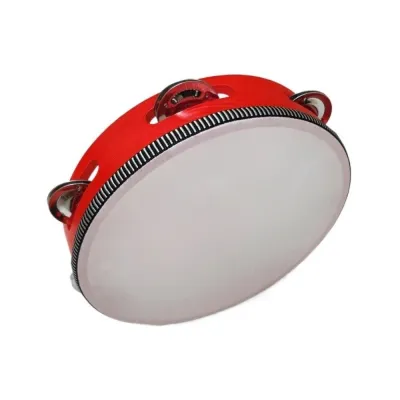
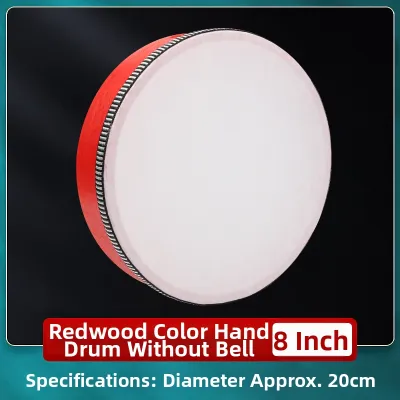
Prices are valid at publication and may change. Please refer to the product page for the latest price.
When inspecting a kompang in person, perform a thorough visual and physical check of the wooden frame. Examine the entire circumference for any signs of hairline cracks, knots, or warping, which can compromise the structural integrity of the drum under high tension. Run your fingers along the inner and outer edges of the frame to ensure the wood is smoothly sanded and free of splinters or rough patches that could cause discomfort while playing. Pay close attention to the bearing edge—the top rim of the frame where the skin makes contact—as any unevenness here will result in inconsistent skin tension and dead spots in the sound.
The craftsmanship of the frame joints and the securing mechanism of the drumhead also require close evaluation. Traditional kompangs use metal tacks driven directly into the side of the frame to secure the skin, sometimes accompanied by a rattan strip (sedak) inserted under the inner rim to fine-tune the tension. Ensure that all tacks are driven flush into the wood without splitting the frame, and check that the rattan wedge fits snugly. If you are looking at a modern, mechanically tunable model, inspect the metal tension brackets and lugs to ensure they are securely anchored, rust-free, and easy to adjust with a standard tuning wrench.
Choosing the Right Drumhead Skin
The choice of drumhead skin is perhaps the most critical factor determining the tone, feel, and maintenance requirements of your kompang. Traditional instruments utilize natural animal skins, with female goat skin (kulit kambing betina) being the standard due to its flexibility, strength, and warm acoustic properties. Natural skin offers an organic, responsive feel under the hands and produces a rich spectrum of overtones that synthetic materials struggle to replicate. However, natural skins are highly sensitive to environmental factors, expanding in humid conditions and contracting in dry heat, which directly affects the drum’s pitch and tension.

Synthetic drumheads, typically made from specialized polyester or mylar films, have gained popularity as a low-maintenance alternative for beginners. These synthetic options are completely impervious to weather changes, ensuring a consistent pitch whether you are practicing indoors or performing at an outdoor event. While they offer exceptional durability and are highly resistant to tearing, they tend to produce a brighter, more clinical tone with fewer warm overtones, and the physical rebound against your hands can feel noticeably stiffer than natural skin.
Skin thickness is another variable that influences both sound and playability. Thicker skins require more physical force to vibrate, resulting in a deeper fundamental pitch, enhanced bass response, and greater overall durability under heavy striking. Thinner skins, on the other hand, are highly sensitive and responsive to light finger strikes, producing a brighter, crisper tone with prominent high-frequency overtones. For a beginner, a medium-thickness skin is highly recommended, as it strikes an ideal balance between ease of play, tonal clarity, and physical durability.
Before finalizing your purchase, conduct a meticulous visual and tactile inspection of the drumhead. The skin should exhibit uniform thickness and tension across its entire surface, without any visible sagging, deep scars, insect damage, or thinning patches. Press your thumb firmly into the center of the head; it should offer firm resistance with minimal deflection. Run your hand across the surface to check for a smooth, consistent texture, as rough spots or uneven preparation can affect your striking technique and cause premature wear on your hands.
Selecting the Correct Size and Depth
Matching the physical dimensions of the kompang to your body size, hand span, and playing style is essential for comfortable learning and proper technique. Kompangs are measured by the outer diameter of the frame, typically ranging from 8 inches to 14 inches. For most adult beginners, a 10-inch or 12-inch drum is the standard recommendation. A 10-inch model is highly manageable, lightweight, and easy to grip, making it excellent for younger players or those with smaller hands. A 12-inch model offers a larger striking surface and a deeper, more traditional sound profile, though it requires slightly more hand strength to hold securely.
The diameter of the drum directly dictates its fundamental pitch. Smaller diameters naturally produce higher, sharper pitches that cut through an ensemble mix, while larger diameters deliver a deeper, more booming bass response. Frame depth, which typically ranges from 2 to 3 inches, also plays a significant role in sound projection. A deeper frame increases the internal air volume of the drum, resulting in enhanced resonance, a fuller bass tone, and greater projection. However, a deeper frame also adds weight and can make the instrument more cumbersome to hold during long practice sessions.
Ergonomics should be a primary consideration when selecting your first instrument. Traditional playing techniques require you to hold the kompang upright with one hand by gripping the inner rim of the frame, while your dominant hand strikes the skin. Hold the drum in this playing position for several minutes to assess its weight and balance. If the frame feels excessively heavy, or if the rim shape digs uncomfortably into your fingers, you will likely experience rapid wrist fatigue and strain, which can hinder your practice consistency and technique development.
Assessing Sound Quality and Playability
Before purchasing a kompang, it is vital to test its acoustic properties to ensure it produces a clear, vibrant sound. Begin by striking the center of the drumhead with an open palm to produce the bass tone, traditionally referred to as the “bum” sound. This tone should be deep, warm, and resonant, with a clean decay that does not sound muddy or muffled. Next, strike the edge of the drumhead with your fingers held together to produce the sharp, high-pitched slap tone, known as the “pak” sound. This tone should be crisp, bright, and immediate, cutting through clearly without sounding thin or hollow.
Listen closely for any unwanted secondary noises when striking the drum. A well-constructed kompang should not produce any buzzing, rattling, or metallic vibrations, which often indicate loose tacks, a cracked frame, or an improperly fitted tuning wedge. Gently tap around the perimeter of the drumhead, about an inch from the edge, to check for dead spots. The pitch should remain relatively consistent as you move around the circumference; significant variations in pitch indicate uneven skin tension, which will make it difficult to achieve a clean, predictable tone during regular play.
Finally, evaluate how responsive the drum is to different striking techniques and dynamic levels. A high-quality beginner instrument should respond clearly to both soft, delicate finger taps and firm, powerful palm strikes. The skin should feel lively and resilient under your hands, providing a comfortable rebound that assists your playing rhythm rather than absorbing the energy of your strikes. If the drum feels unresponsive or requires excessive physical effort to produce a clear sound, it may be poorly tensioned or constructed from substandard materials.
Where to Buy and Final Verification Steps
When looking to purchase your first kompang, choosing the right retail channel can significantly impact the quality of the instrument you receive. Specialized traditional music stores and dedicated cultural instrument shops are generally the most reliable options, as their staff possess the expertise to guide you and ensure the instruments are properly stored in climate-controlled environments. Alternatively, purchasing directly from local cultural artisans or traditional makers allows you to acquire a hand-crafted instrument with authentic tonal qualities, though these may require a higher investment.
While general online marketplaces and ecommerce platforms offer convenience and a wide selection, buying an acoustic instrument online carries inherent risks. If you choose to purchase online, prioritize reputable sellers who specialize in musical instruments rather than general merchandise. Carefully verify the seller’s return policies, warranties, and shipping protections before placing your order. Ensure the seller packages the instrument securely in a rigid box with ample cushioning material, such as bubble wrap or foam inserts, to protect the delicate wooden frame and drumhead from transit damage.
Immediately upon receiving your kompang, perform a comprehensive inspection to identify any potential transit damage. Carefully examine the wooden frame for any new cracks, splits, or structural separation at the joints that may have occurred during shipping. Inspect the drumhead skin for any punctures, tears, or signs of moisture exposure, which can ruin the tension of natural skins. If you notice any defects or damage, document them immediately with clear photographs and contact the seller or shipping carrier promptly to initiate a return or exchange.
Frequently Asked Questions (FAQ)
How do I maintain the skin tension on a natural skin kompang?
Natural animal skins are highly hygroscopic, meaning they absorb and release moisture from the surrounding air. In humid environments, such as the tropical climate of Singapore, natural skins absorb moisture, causing them to expand, sag, and lose their high-pitched resonance. Conversely, dry conditions can cause the skin to contract excessively, risking splits or frame warping. To maintain optimal tension, store your kompang in a padded, weather-resistant gig bag when not in use, and keep it in a dry, well-ventilated room away from direct sunlight, air conditioning drafts, or damp areas.
If your natural skin kompang loses tension and sounds flat, you can temporarily restore its pitch using traditional methods. Gently warming the drumhead near a safe, mild heat source or placing it in indirect sunlight for a few minutes can help dry out the moisture and tighten the skin. If your instrument features a traditional sedak (rattan wedge), you can carefully push the rattan strip further under the inner rim to increase the skin tension. If the skin remains permanently sagged or develops tears, it will require professional re-heading by an experienced artisan.
Can I use a synthetic skin kompang for traditional performances?
Yes, synthetic skin kompangs are increasingly accepted and used in various performance contexts, though their suitability depends on the specific event and ensemble expectations. Synthetic models offer outstanding durability and complete resistance to humidity and temperature fluctuations, making them the preferred choice for outdoor parades, school programs, casual practice sessions, and community events where weather conditions are unpredictable. They eliminate the need for constant tuning adjustments, allowing players to focus entirely on their performance.
However, for formal traditional ensembles, classical competitions, or highly authentic cultural presentations, natural skin kompangs remain the preferred standard. Traditionalists highly value the warm, complex, and organic tonal characteristics of natural goat skin, which synthetic materials cannot fully replicate. If you plan to play in a formal group, it is highly recommended to consult with your ensemble leader or instructor before purchasing, as they may require a specific type of drumhead to ensure tonal consistency across the entire group.
Community discussion
Share your experience or ask a question. Comments are reviewed before publication.