
Choosing your first steel tongue drum, popularly known as the 空灵鼓, requires balancing three main factors: the number of notes, the musical scale, and the physical size of the drum. A beginner does not need the most expensive or largest drum to start; instead, the ideal choice is one that matches your physical space, musical goals, and patience for learning. By selecting a drum that aligns with your specific environment—whether that is a quiet apartment or an outdoor meditation space—you can ensure an enjoyable learning experience without buyer’s remorse.
Because these instruments are intuitive, many people assume any model will suit their needs. However, the physical properties of steel and the limitations of fixed tuning mean that your initial choice will permanently shape your playing style. Prioritizing playability and a harmonious scale over a complex layout will help you build confidence quickly while enjoying the therapeutic, resonant tones of the instrument.
Quick Guide: Matching Steel Tongue Drum (空灵鼓) Specs to Your Goals
The ideal steel tongue drum depends entirely on your playing environment and musical goals, not just the price tag. Beginners should focus on finding a balance between physical portability and the musical range required for their desired activities.
Products mentioned in this guide
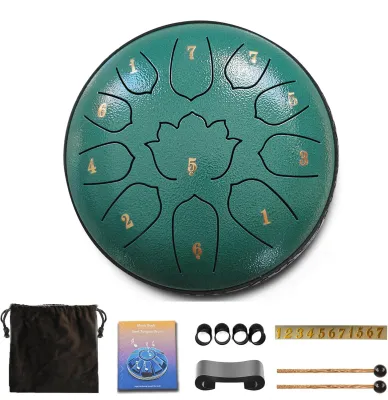
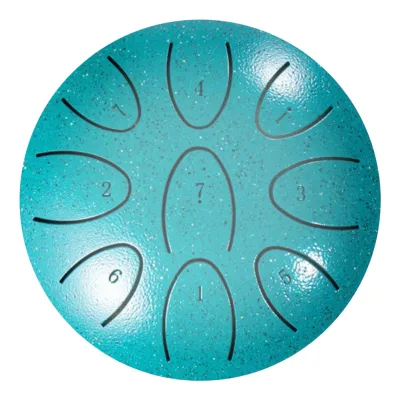
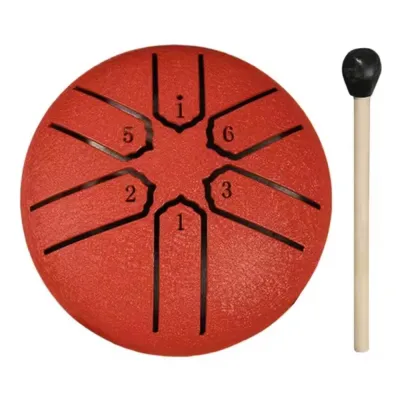
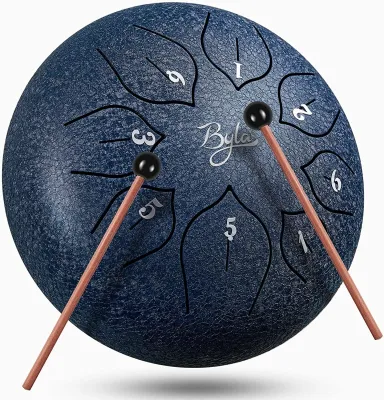

Prices are valid at publication and may change. Please refer to the product page for the latest price.
| Intended Use | Recommended Note Count | Recommended Size | Recommended Scale & Key | Primary Benefit |
|---|---|---|---|---|
| Meditation & Sound Therapy | 6 to 8 notes | 6 to 8 inches | Pentatonic (A Minor / C Major) | Highly portable, impossible to play a discordant note. |
| Casual Melodic Playing | 11 notes | 10 inches | C Major Diatonic | Balanced resonance, plays most simple folk and children's songs. |
| Advanced Learning & Versatility | 11 to 15 notes | 12 inches or larger | D Minor or C Major | Wide range, deep bass, suitable for complex melodies. |
| Kids & Classroom Education | 8 notes | 6 inches | C Major Pentatonic | Durable, easy for small hands, bright and cheerful tone. |
How Many Notes Do You Need? Choosing the Right Note Count
The number of tongues, or notes, on a drum directly impacts the complexity of the music you can play and the physical layout of the instrument. For beginners, more is not always better. A higher note count introduces a more complex layout, which can feel overwhelming to navigate when you are trying to find your rhythm. Conversely, too few notes might limit your musical expression once you master the basics.

6 to 8 Notes: Best for Beginners, Kids, and Meditation
Drums with 6 to 8 notes typically utilize a pentatonic scale, which is a five-note scale that omits the fourth and seventh intervals of a standard major scale. Because of this interval structure, there are no semi-tones or sharp dissonances between any of the notes. It is physically impossible to play a “wrong” or discordant note, regardless of the order in which you strike the tongues.
This makes smaller drums exceptionally well-suited for sound therapy, mindfulness practices, and early childhood education. If your primary goal is to relax, clear your mind, or introduce a child to music without the frustration of formal lessons, an 8-note drum provides instant gratification. However, you will quickly outgrow this setup if you want to play recognizable pop songs, classical melodies, or complex contemporary arrangements, as the missing notes will prevent you from completing most standard melodies.
11 to 15 Notes: Best for Melodic Playing and Advanced Learners
Drums with 11 to 15 notes typically span one to two full octaves and use a diatonic scale, which includes all seven notes of the standard musical scale. This expanded range allows you to play a vast repertoire of traditional folk songs, holiday music, and popular modern covers. The additional notes provide the musical vocabulary necessary to follow standard sheet music and transition into more complex compositions.
This versatility comes with a steeper learning curve. With more tongues packed onto the surface of the drum, the physical target for each strike is smaller, requiring better mallet control and hand-eye coordination. You will need to spend time learning the layout, which is typically arranged in an alternating zig-zag pattern rather than a straight linear sequence. Choose an 11 to 15-note drum if you are committed to active practice, enjoy memorizing patterns, or have prior experience with percussion or keyboard instruments.
Choosing the Right Scale and Key for Your Mood and Style
The musical scale and root key of a steel tongue drum establish its “emotional color.” Because these instruments cannot be easily retuned, the scale you select determines the mood of every song you will ever play on that specific drum.
Major, Minor, and Pentatonic Scales
- Pentatonic Scales: These scales are the most forgiving and harmonious. They are ideal for intuitive improvisation, deep relaxation, and stress relief, as any combination of notes sounds naturally pleasing.
- Major Scales: Characterized by a bright, uplifting, and joyful tonal quality. Major scales are excellent for playing cheerful melodies, children's songs, and positive, energizing music.
- Minor Scales: Known for their deep, melancholic, and mysterious atmosphere. Minor scales are highly favored for deep meditation, yoga sessions, and emotional, introspective playing.
Before making a purchase, it is highly recommended to listen to high-quality audio demonstrations of the exact scale you are considering. Because emotional response to sound is deeply subjective, hearing the scale played live is the most reliable way to ensure the drum’s voice resonates with your personal taste.
Selecting the Root Key (C, D, F, etc.)
The root key refers to the fundamental pitch around which the drum’s scale is built, and it directly influences the physical resonance and compatibility of the instrument.
Lower root keys, such as C or D, produce deeper, warmer bass tones with a long, lingering sustain. However, to achieve these rich low frequencies, the drum must have a larger physical body to allow the sound waves to develop fully. Higher root keys, such as F or G, yield brighter, crisper tones with a shorter sustain, which works well for fast-tempo playing but lacks the deep, vibrating rumble of lower-tuned drums.
If you plan to play alongside other standard instruments like a piano, guitar, or ukulele, or if you want to play along with online backing tracks, choose a drum tuned to C Major. This is the most universally compatible key for beginners, as it contains no sharps or flats, making it easy to coordinate with other musicians without complex transposition.
Drum Size: Balancing Portability, Volume, and Resonance
The physical diameter of a steel tongue drum dictates its acoustic performance and how easily you can store and transport it. Choosing the right size requires looking honestly at where and how you plan to play.
- Small Drums (6 to 8 inches): These compact models offer extreme portability and a lower overall volume. They easily fit into a standard backpack, making them perfect for travel, outdoor hikes, or office desks. In urban living spaces—such as typical HDB apartments in Singapore—the lower volume is a distinct advantage, allowing you to practice late at night without disturbing family members or neighbors through thin walls. The trade-off is a thin bass response and very short sustain, resulting in a punchier, toy-like sound.
- Medium Drums (10 inches): This size represents the ideal "sweet spot" for the vast majority of first-time buyers. A 10-inch drum offers a balanced combination of rich resonance, satisfying bass, and manageable weight. It is large enough to sit comfortably on your lap while playing but small enough to store easily on a shelf.
- Large Drums (12 inches and above): These larger instruments deliver the deepest bass notes, maximum volume, and a long, cinematic sustain that fills a room. However, they are heavy, cumbersome to travel with, and their powerful resonance can easily overwhelm small, untreated rooms, potentially causing unwanted echo or disturbing others in close proximity.
To narrow down your choice, ask yourself these diagnostic questions:
- Will this drum permanently sit on a table at home, or do I want to take it to the park or yoga studio?
- Do I have a dedicated space where I can play loudly, or do I need to keep the volume low to respect those around me?
- Am I comfortable holding a heavy metal instrument on my lap for extended periods?
Steel Types and Build Quality: What to Check Before Buying
The material composition of a steel tongue drum determines both its long-term durability and its tonal clarity. Manufacturers generally use two primary categories of steel, each with distinct physical properties.
- Carbon Steel: Known for producing a warm, traditional, and earthy tone with a slightly shorter sustain. While highly resonant, carbon steel is highly susceptible to rust and corrosion if exposed to moisture or high humidity.
- Titanium Steel and Alloys: These modern alloys produce a brighter, clearer tone with excellent tuning stability. They are significantly more resistant to rust, temperature fluctuations, and physical wear.
Because Singapore experiences high year-round humidity, material selection is a critical longevity factor. If you live in a humid climate, check the manufacturer’s product specifications to ensure the drum is made from a titanium alloy or has been treated with an explicit rust-proof electroplated coating. Untreated carbon steel drums can quickly develop rust spots on the interior and edges of the tongues, which will permanently degrade the tuning and sound quality.
Additionally, verify the completeness of the accessory package before purchasing. High-quality packages should include a pair of mallets with appropriate rubber heads, a padded carry bag to protect the tongues from physical impact during transport, finger picks for hand-playing, and a beginner-friendly music book with numbered notation.
Your Pre-Purchase Checklist for a First Steel Tongue Drum
Before finalizing your purchase, work through this step-by-step checklist to ensure the drum matches your practical needs and musical expectations:
- Confirm the Note Count: Choose 8 notes for simple meditation and ease of use, or 11 to 11+ notes if you want to learn actual songs.
- Select the Scale and Key: Verify whether you prefer a bright Major scale, a meditative Minor scale, or a highly compatible C Major root key.
- Match the Size to Your Space: Opt for a 6 to 8-inch drum for tight spaces and travel, or a 10-inch drum for standard home use.
- Verify Humidity Resistance: Ensure the product specifications list a titanium alloy or a rust-proof coating to protect against humid environments.
- Check Included Accessories: Confirm the package includes mallets, a padded bag, and a numbered songbook.
For undecided buyers seeking a safe, highly versatile default, look for a 10-inch, 11-note drum in C Major or D Minor. This configuration offers the best balance of rich sound quality, ease of learning, and physical manageability for a first-time player, typically ranging in price from S$50 to S$150 on major online marketplaces and specialty music shops.
Frequently Asked Questions (FAQ)
Can I tune a steel tongue drum after buying it?
Unlike stringed instruments or handpans, standard steel tongue drums are cut and tuned to fixed pitches at the factory and cannot be easily retuned by the user. The pitch is determined by the physical size, length, and weight of each cut tongue. Attempting to bend or file the tongues at home can permanently damage the metal and ruin the instrument’s tuning. It is essential that you are completely satisfied with the drum’s scale and key before making your purchase.
Do I need to use mallets, or can I play with my hands?
Both playing methods are valid, but they produce completely different acoustic results. Playing with the included rubber-headed mallets produces a loud, clear, and highly resonant tone with maximum sustain, making it the easiest method for beginners to get a clean sound. Playing with your hands or fingers (often using rubber finger picks) yields a much softer, warmer, and more intimate sound. Hand-playing requires precise, rapid striking techniques to avoid dampening the vibration of the tongue with your skin, which takes more practice to master.
Community discussion
Share your experience or ask a question. Comments are reviewed before publication.