
Choosing your first tambourine requires balancing the instrument’s physical design with the specific musical settings where you plan to play. By understanding how jingle configurations, frame materials, and overall size influence both sound and comfort, you can select an instrument that feels natural in your hands and complements your musical goals.
While the tambourine is often perceived as a simple percussion instrument, its diverse variations offer vastly different acoustic properties. A model designed for a loud rock stage will perform very differently from one built for a quiet acoustic recording session. Taking the time to evaluate these differences ensures your first purchase is a versatile tool rather than a source of performance frustration.
Identify Your Playing Style and Needs
Before looking at specific models, consider the primary musical genres you play and the environments where you will perform. If you are playing acoustic folk, singer-songwriter music, or church worship, you will likely want a warmer, more controlled sound that blends smoothly with other acoustic instruments. Conversely, if you are playing in a loud rock, pop, or Latin ensemble, you will need an instrument with high volume and sharp projection to cut through electric guitars and drums.
Products mentioned in this guide
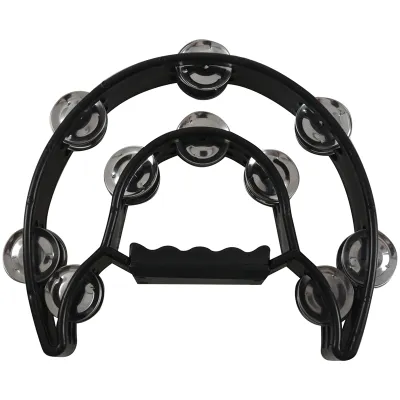
![[ammoon]Double Row Handheld Tambourine Metal Jingles Hand Held Plastic Musical Percussion Drum Half Moon Hand Bell for Adults Kids KTV Party Bar](https://img.lazcdn.com/g/p/1164229c71642f79925f2be16dd82b77.jpg_400x400q80.jpg_.webp)
![[ammoon]6 / 8 / 10 Inch Hand Tambourine with Metal Single Row 8pcs Metal Cymbals Jingles Sheepskin Drum Musical Timbrel for Dancing Singing Party](https://img.lazcdn.com/g/p/ff2dd73bd0e8cac60f21180dfcdc8c7e.jpg_400x400q80.jpg_.webp)
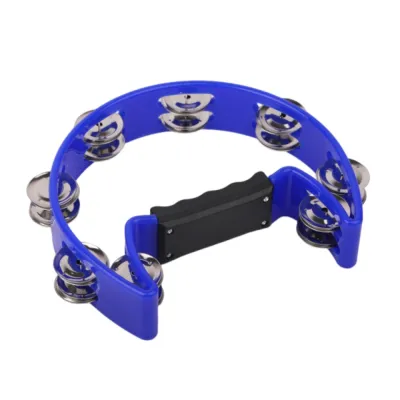
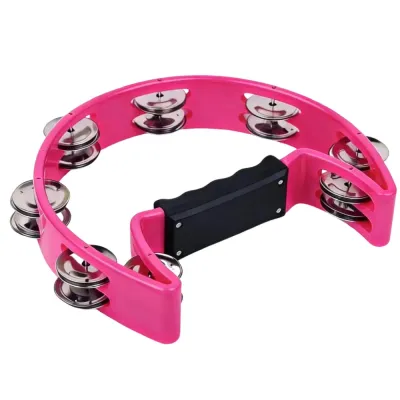
![[SG Seller] Handheld Tambourines with 4 Jingle Bells / Mini Hand Bell Percussion / Musical Rhythm Instruments](https://img.lazcdn.com/g/p/013702bf8576f9393c16e1dea4ef1b8f.jpg_400x400q80.jpg_.webp)
Prices are valid at publication and may change. Please refer to the product page for the latest price.
Your physical playing method also dictates the type of tambourine you need. Handheld tambourines are designed to be shaken and struck with your hands, requiring a comfortable grip and a balanced weight distribution. If you are a drummer who wants to add jingle accents to your drum kit, you will need a mountable tambourine designed to attach to a hi-hat stand or a dedicated percussion rod, which features reinforced frames to withstand heavy drumstick strikes.
Finally, evaluate your physical comfort and the expected duration of your playing sessions. Shaking a tambourine continuously for several minutes requires surprising wrist endurance and forearm strength. If you are a beginner or plan to play long sets, prioritizing a lightweight design and an ergonomic grip will help prevent muscle fatigue and joint strain.
Understanding Jingle Rows and Materials
The small metal discs on a tambourine are called jingles, and they are the primary source of the instrument’s sound. Tambourines generally come in either single-row or double-row configurations. A single-row tambourine features a single line of jingles around the frame, making it lightweight, easy to handle, and relatively quiet, which is excellent for soft acoustic settings or beginners. A double-row tambourine features staggered pairs of jingles, producing a much fuller, louder, and more complex sound that is ideal for live performances where projection is key.

The metal alloy used to make the jingles determines the overall tone and character of the instrument. Brass jingles are highly popular for their warm, rich, and mid-range tones, offering a classic sound that blends beautifully in studio recordings. Bronze jingles tend to sound slightly darker and more complex, while copper jingles offer a dry, vintage character. For maximum brightness and a sharp, high-pitched cut, aluminum or steel jingles are the preferred choice, as they easily cut through dense live mixes.
How the jingles are mounted also affects the instrument’s responsiveness and sustain. Jingles are typically secured on metal pins within slots cut into the frame. Wider slots allow the jingles to move more freely, resulting in a looser sound with longer sustain. Tighter slots restrict movement, providing a highly articulate, dry, and rapid response that is perfect for executing fast, intricate rhythmic patterns.
Choosing the Right Frame Type and Material
One of the most significant decisions you will make is choosing between a headless and a headed tambourine. Headless tambourines consist of a simple circular or crescent-shaped frame with jingles but no drumhead. These models are exceptionally lightweight, easy to manipulate during fast tempos, and produce a pure, bright jingle sound. They are the standard choice for singers who want to add simple rhythm while performing, as well as percussionists who focus purely on shaking and striking techniques.
Headed tambourines feature a drumhead stretched over one side of the frame, which can be made from natural animal skin or synthetic materials. The addition of a head introduces a deep, percussive thump when struck, allowing you to combine hand-drumming techniques with the bright sound of the jingles. This design is highly versatile, enabling advanced techniques like finger rolls, hand-to-head dampening, and brush play, making it a favorite for studio recording and traditional folk music.
The material of the frame itself impacts both durability and tone. Traditional wood frames, often made from multi-ply maple or oak, offer a classic aesthetic and a warm, resonant tone, though they can warp or lose tension in humid environments. Synthetic frames, typically constructed from high-impact plastic, acrylic, or fiberglass, are incredibly durable, weather-resistant, and consistent in performance. Synthetic models are highly recommended for outdoor gigs, touring, and school music programs where durability is a primary concern.
Selecting the Ideal Size and Weight
Tambourines are measured by the diameter of their frame, with most standard models ranging from 8 inches to 10 inches. An 8-inch tambourine is compact, lightweight, and highly portable, making it an excellent choice for younger players, those with smaller hands, or musicians who only need occasional jingle accents. A 10-inch tambourine is the industry standard for adults, providing a comfortable grip area, excellent projection, and enough frame space to accommodate a full double row of jingles.
Balancing the overall weight of the instrument against your playing duration is crucial for preventing physical strain. While a heavy, double-row wood tambourine with brass jingles sounds beautiful, it can quickly tire out a beginner’s wrist during a long rehearsal. If you are new to the instrument, starting with a slightly lighter model allows you to focus on developing proper wrist technique and rhythm before moving on to heavier, professional-grade instruments.
Pay close attention to the ergonomic features of the frame before making your choice. Many modern tambourines feature contoured handles, padded rubber grips, or gently sloped edges designed to distribute the weight evenly across your palm. These features significantly reduce friction and hand fatigue, allowing you to play comfortably for extended periods without developing blisters or muscle cramps.
Building Your Shortlist: Matching Features to Your Goals
To find the perfect tambourine, map your specific musical goals to the features discussed. If you are an acoustic singer-songwriter, a 10-inch single-row wood tambourine with brass jingles will provide a warm, subtle accompaniment. If you are a rock drummer, a mounted synthetic headless model with steel jingles will offer the durability and high-pitched cut you need. For a versatile percussionist, a 10-inch headed tambourine with mixed metal jingles offers the widest range of sonic possibilities.
When browsing options, carefully verify the manufacturer’s specifications regarding weight, frame material, and jingle type. Read user feedback on online marketplaces to check the long-term durability of the mounting pins and the comfort of the grip. Avoid extremely cheap novelty instruments, as their jingles often sound harsh and the frames can crack easily under regular use.
Set a realistic budget for your purchase, which typically ranges from S$30 for a reliable synthetic model to S$100 or more for a professional-grade wood or headed instrument. If possible, visit a local music store in Singapore to hold different models in your hands. Testing the weight, feeling the grip, and hearing the jingles in person is the most reliable way to ensure you choose an instrument that feels right for you.
Frequently Asked Questions (FAQ)
Do I need a tambourine with a drumhead?
You only need a tambourine with a drumhead if you want to incorporate hand-drumming techniques, such as striking the head for a low-end thump, performing finger rolls, or using brushes. If your primary goal is to shake the instrument or strike it against your hand or hip for a pure jingle sound, a headless tambourine is much lighter, easier to handle, and highly suitable for beginners.
How should I hold and strike a tambourine as a beginner?
To hold a tambourine correctly, grip the frame or handle firmly but keep your wrist completely relaxed, holding the instrument at roughly a 45-degree angle to control the jingle movement. Strike the frame with the fingers or palm of your free hand near the edge for a crisp sound, or use your knee to alternate strikes during fast tempos. Avoid gripping the instrument too tightly, as a tense wrist leads to rapid fatigue and uneven rhythm.
Community discussion
Share your experience or ask a question. Comments are reviewed before publication.