
Choosing your first tambourine involves more than simply picking up a handheld percussion instrument. To find the right fit, you must evaluate the jingle material, the number of jingle rows, and whether the instrument features a drumhead. These core specifications directly shape the volume, tone, and responsiveness of the instrument, ensuring it complements your musical style rather than overpowering it.
By understanding how different materials and designs interact, you can confidently select an instrument that suits your practice space, performance needs, and budget. Whether you plan to play in a quiet acoustic setting or a loud live band, focusing on these fundamental features will guide you to a tambourine that feels comfortable and sounds excellent.
Understanding Jingle Materials and Configurations
The metal discs on a tambourine, known as jingles or zils, are the primary source of the instrument’s sound. The type of metal used to construct these jingles determines the brightness, sustain, and overall character of the projection.
Products mentioned in this guide
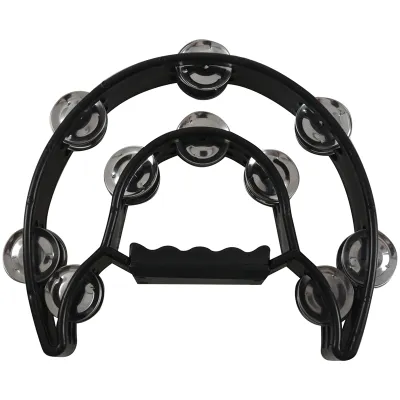

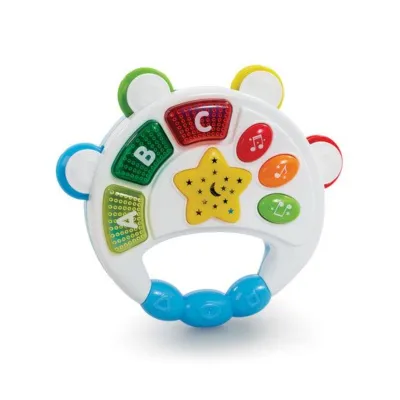

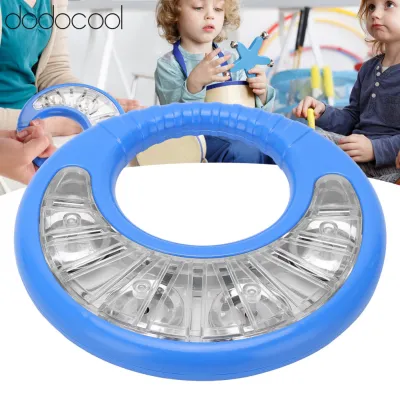
![[SG FREE ] Educational Cartoon Musical Tambourine Beat Instrument Hand Drum Baby Toys](https://img.lazcdn.com/g/p/1c0248502b2329ff78e7c8c58a7b9162.jpg_400x400q80.jpg_.webp)
![[𝐒𝐆 𝐒𝐞𝐥𝐥𝐞𝐫] BabySPA Fun Musical Piano and Tambourine Learning Toy for Baby Birthday Present / Gift](https://img.lazcdn.com/g/p/b43bc538ec36190bbb4cc553dc92b7ba.jpg_400x400q80.jpg_.webp)
Prices are valid at publication and may change. Please refer to the product page for the latest price.
Steel jingles are highly common in entry-level and modern tambourines. They produce a bright, high-pitched, and cutting sound that easily penetrates loud musical environments, making them excellent for live pop or rock performances.
Brass jingles offer a warmer, darker, and more resonant tone. They have a longer sustain and a richer harmonic profile, which is often preferred by acoustic musicians and orchestral players who require a more blended sound.
Silver-plated alloys provide a delicate balance between brightness and warmth. They deliver a clean, articulate response with a moderate decay, making them highly versatile for studio recording and diverse musical genres.
Beyond the material, you must choose between single-row and double-row configurations. Single-row tambourines feature a single line of jingles around the frame, resulting in a lighter instrument with a lower volume and a more distinct, sparse sound.
Double-row tambourines stack two rows of jingles, which significantly increases the volume and creates a denser, fuller shake sound. While they offer a richer texture, the extra metal adds weight, which can lead to hand fatigue during long playing sessions.
The texture of the jingles also plays a role in articulation. Hammered jingles have a drier, shorter decay with complex overtones, whereas smooth jingles produce a brighter, more consistent ring that sustains longer.
Choosing the Right Drumhead: Skin vs. Synthetic
Deciding between a headed and a headless tambourine is a pivotal choice, but if you opt for a headed model, the material of the drumhead will dramatically influence your tone and maintenance routine.

Natural skin heads, typically made from calfskin or goatskin, deliver a warm, deep, and traditional tone. They respond beautifully to hand strikes, offering a rich bass note and a soft, organic attack that many acoustic players favor.
However, natural skin is highly sensitive to environmental changes. In humid climates, such as Singapore’s tropical weather, natural heads can absorb moisture, causing them to lose tension and sound muddy or flat.
Synthetic heads, made from materials like Mylar or plastic, offer exceptional durability and weather resistance. They maintain consistent tension regardless of humidity levels, ensuring a reliable pitch and a bright, crisp attack every time you play.
The tension and thickness of the head also dictate the instrument’s playability. A tighter, thinner head provides a quick rebound and a high-pitched strike, while a thicker, looser head offers a deeper resonance and a more pronounced thud.
Before making a purchase, check the manufacturer’s specifications regarding head replaceability. Many entry-level tambourines feature pre-tensioned heads glued directly to the frame, meaning the entire instrument must be replaced if the head tears.
Evaluating Frame Materials, Size, and Ergonomics
The frame, or shell, holds the jingles and drumhead together, acting as the structural foundation of the tambourine while contributing to its overall resonance.
Wood frames, often constructed from multi-ply maple or ash, are highly valued for their classic aesthetic and warm, acoustic resonance. They absorb some of the high-frequency harshness, resulting in a more balanced overall sound.
ABS plastic and composite frames are exceptionally durable and lightweight. They resist impact damage, making them ideal for energetic performances, classroom settings, or travel, though they may lack the acoustic warmth of wood.
The diameter of the frame influences both the pitch of the shell and the available playing surface. Larger frames, typically around 10 inches, offer a deeper tone and more room for complex hand techniques, while smaller frames are lighter and easier to control.
Ergonomics should be a primary consideration for any beginner. Look for frames that feature contoured handles, padded grips, or textured edges to prevent the instrument from slipping out of your hand during vigorous playing.
A well-balanced frame distributes the weight of the jingles evenly, reducing strain on your wrist and allowing you to maintain steady tempos for longer periods.
Matching Tambourine Specs to Your Playing Style
To finalize your decision, consider how you plan to use the tambourine in your daily practice or performances. Matching the specifications to your specific musical context ensures you get the most out of your investment.
For quiet acoustic settings or singer-songwriter accompaniment, a single-row wood tambourine with brass jingles and a natural skin head provides a warm, subtle texture that will not overpower acoustic guitars or vocals.
If you are playing in a loud band or a large venue, a double-row plastic tambourine with steel jingles offers the volume and cutting power needed to pierce through electric guitars and drums.
For studio recording, versatility is key. A double-row tambourine with silver-plated or mixed-metal jingles and a synthetic head provides a clean, articulate, and consistent sound that microphones can capture accurately.
When shopping, prioritize these functional specifications over cosmetic features or bundled accessories. If you are buying in person, hold the instrument to test its balance and shake-to-strike ratio; if purchasing from an online music store, verify their return policy to ensure you can exchange the instrument if the weight or grip does not suit your hand.
Frequently Asked Questions (FAQ)
Do I need a tambourine with a drumhead for beginner use?
Headless tambourines are lightweight and focus entirely on the bright sound of the jingles, making them excellent for beginners who want to focus on simple shaking patterns and rhythmic accompaniment. Headed models offer greater versatility, allowing you to strike the head for a drum-like tone or use finger rolls, which is ideal if you want to explore complex hand percussion techniques.
How do I maintain the jingles and head of my new tambourine?
To prolong the life of your tambourine, store it in a dry, temperature-stable environment to prevent natural heads from warping and metal jingles from tarnishing. After each use, wipe down the frame and the jingles with a dry, soft microfiber cloth to remove sweat and oils, and avoid using harsh chemical cleaners or water, which can damage the wood finish or corrode the metal.
Community discussion
Share your experience or ask a question. Comments are reviewed before publication.