
Starting your musical journey with a ukulele is one of the most rewarding and accessible paths to learning an instrument. To find the right first ukulele, a beginner must focus on three core pillars: selecting the correct body size for physical comfort, verifying build quality to ensure the instrument stays in tune, and choosing materials suited to the local environment. While the market is filled with colorful, inexpensive options, distinguishing between a genuine musical instrument and a novelty toy is the first step toward a successful learning experience.
Quick Guide to Buying Your First Ukulele
For most adult beginners, a concert-sized ukulele offers the ideal balance of playability, comfort, and classic tone. It provides slightly more room on the fretboard than a traditional soprano, making it easier to press down individual strings without crowding your fingers. Before purchasing, always perform a few basic physical checks: run your hand along the neck to ensure there are no sharp metal fret edges, and press the strings to verify they sit close to the fretboard without buzzing when plucked.
Budget is another critical factor when selecting a starter instrument. While it is tempting to buy the cheapest option available, a playable, reliable musical instrument generally costs between S$60 and S$150. Instruments priced below this range often utilize low-grade plastics or unstable tuning pegs, which can lead to constant tuning issues and a frustrating learning experience. Investing in a dedicated entry-level model from a reputable instrument manufacturer ensures your ukulele will stay in tune and remain comfortable to play as you build your skills.
Products mentioned in this guide
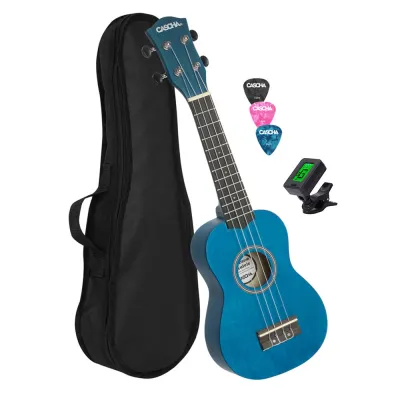
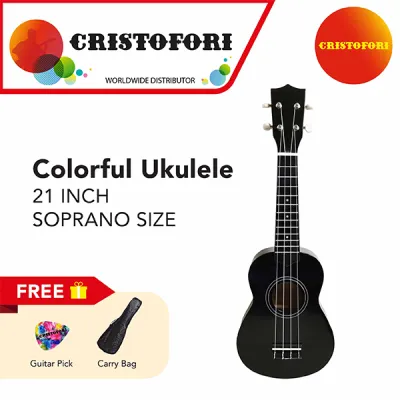
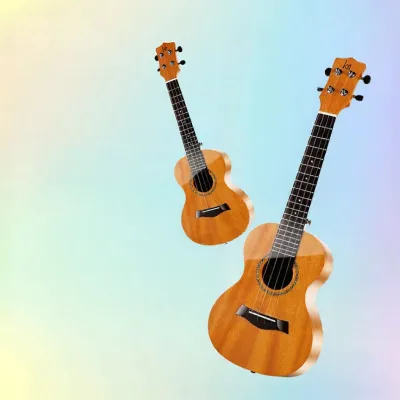
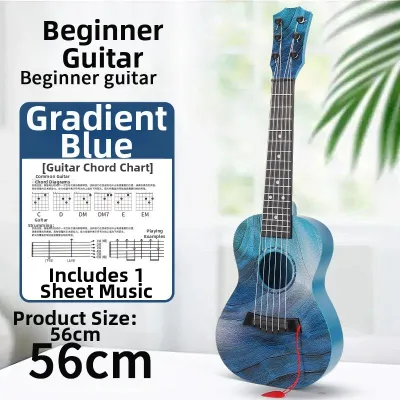
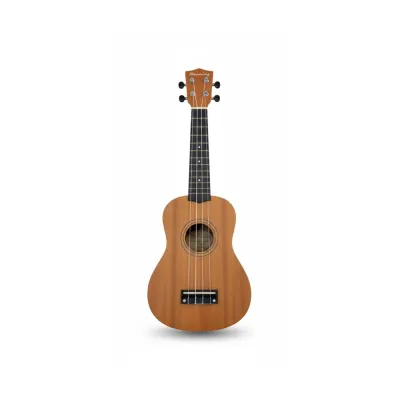
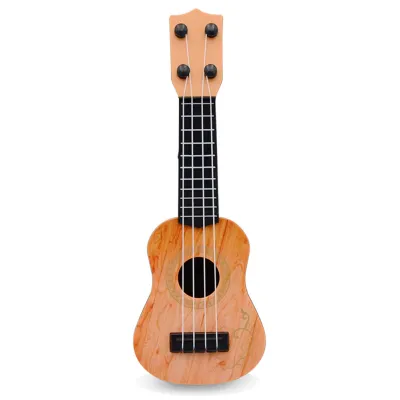
Prices are valid at publication and may change. Please refer to the product page for the latest price.
Ukulele vs. Guitar: Clearing Up the Confusion
Many beginners search for a “ukulele guitar” or wonder which instrument is the better starting point for their musical journey. While both are fretted string instruments, they have fundamental differences in construction, tuning, and playability that affect the learning curve. A standard ukulele features four nylon strings, typically tuned to G-C-E-A, whereas a standard acoustic guitar features six steel strings tuned to E-A-D-G-B-E. This difference in string count means ukulele chord shapes require fewer fingers, allowing beginners to play basic songs within their first few hours of practice.

The physical characteristics of the two instruments also play a major role in comfort and convenience. Ukuleles use low-tension nylon strings that are highly forgiving on uncalloused fingertips, unlike the high-tension steel strings of an acoustic guitar, which can cause initial finger soreness. Additionally, the compact size of a ukulele makes it incredibly portable and easy to store in space-conscious apartments, whereas a full-sized guitar requires dedicated storage space and a longer physical reach. If your goal is a portable, cheerful instrument with a gentle learning curve, the ukulele is an excellent choice. If you prefer deep bass notes, complex arrangements, and do not mind a longer initial commitment, a guitar may suit your musical goals better.
Selecting the Right Ukulele Size for Your Needs
Ukuleles come in four primary sizes, each offering a distinct scale length, body volume, and tonal character. Understanding these differences is essential for finding an instrument that fits your hands and matches your preferred sound.
Soprano Ukulele
The soprano is the traditional size, measuring approximately 21 inches in length. It produces the classic, bright, and “plunky” sound most people associate with Hawaiian music. Because of its short scale length, the frets are spaced closely together. This makes the soprano highly portable and excellent for children or adults with smaller hands. However, players with larger fingers may find the fretboard cramped when attempting complex chord shapes.
Concert Ukulele
Measuring around 23 inches, the concert ukulele features a slightly longer neck and a larger body than the soprano. This design delivers a louder, warmer sound with increased resonance and sustain. The extra space between the frets provides more room for finger placement, making it the most versatile and highly recommended size for adult beginners who want a balance of traditional tone and physical comfort.
Tenor Ukulele
At 26 inches, the tenor size is favored by many solo performers and fingerstyle players. It offers a deeper, richer tone with excellent projection. The wider fret spacing and longer neck accommodate larger hands comfortably, though the increased string tension requires slightly more finger strength to press down the strings.
Baritone Ukulele
The largest of the family, the baritone measures 30 inches and is tuned differently from the other three sizes. It uses D-G-B-E tuning, which matches the top four strings of a standard guitar. This results in a deep, mellow tone. While highly comfortable for players with large hands, it does not share the same chord shapes as standard ukuleles, which can make finding beginner-friendly learning resources more challenging.
When testing instruments in person, hold the ukulele against your chest without a strap. Your forearm should comfortably hold the lower body of the instrument against your ribs while your fretting hand moves freely along the neck. Press down on the third fret of the thickest string; your finger should fit comfortably between the metal fret wires without touching adjacent frets or feeling cramped.
Evaluating Wood, Build Quality, and Hardware
An instrument’s materials and construction directly impact its durability, sound quality, and ease of play. Knowing what to look for during a physical inspection will help you avoid poorly made instruments that are difficult to play.
Laminate vs. Solid Wood
Laminate instruments are constructed from thin layers of wood pressed together, while solid wood instruments are crafted from single pieces of timber. Laminate is highly durable and exceptionally resistant to changes in temperature and humidity. In tropical climates with high relative humidity, such as Singapore, laminate ukuleles are highly stable and rarely warp, swell, or crack. Solid wood ukuleles offer superior resonance and a richer, maturing tone, but they require careful climate control and humidification to prevent damage. For a beginner, a high-quality laminate instrument offers the best balance of durability, low maintenance, and affordability.
Checking the Action
The “action” refers to the height of the strings above the fretboard. If the strings sit too high, pressing them down requires excessive force, leading to finger pain and pulling the notes out of tune. If they sit too low, the strings will vibrate against the metal frets, creating an annoying buzzing sound. Look for an instrument where the strings sit close to the frets along the entire neck but do not buzz when plucked firmly.
Inspecting Tuning Pegs
Tuning stability is crucial for an enjoyable practice session. Look for geared tuners, which feature visible metal gears on the back of the headstock. These allow for precise adjustments and hold their tension over time. Avoid cheap friction pegs—which stick straight out the back of the headstock without gears—on budget instruments, as they frequently slip and cause the instrument to go out of tune constantly.
Structural Red Flags
Hold the ukulele at eye level and look down the edge of the neck like a ruler. The neck should be straight, not bowed or twisted. Run your hand gently along the sides of the neck; the metal fret ends should feel smooth and flush with the wood, not sharp or protruding. Finally, inspect the bridge—the wooden block glued to the body where the strings attach. There should be no visible gaps or lifting between the bridge and the body, as this indicates structural failure.
Building Your Beginner Shortlist: In-Store and Online Checks
Whether you are shopping at a local music store or browsing online, having a systematic approach to evaluating your options will ensure you make a confident purchase.
When shopping in person, visit a dedicated music shop rather than a general department store. Ask the staff if the instruments are inspected and set up before being placed on display. Play an open string, then press the same string at the 12th fret; the pitch should sound exactly one octave higher. If the 12th-fret note sounds noticeably sharp or flat, the instrument has poor intonation and will sound out of tune as you play higher up the neck.
When purchasing from an online marketplace or ecommerce platform, look for specialized music retailers with high customer ratings. Read reviews specifically focusing on packaging quality and shipping damage. Verify the return policy in case the instrument arrives with a warped neck or structural cracks. Many reputable online music stores offer a basic setup service before shipping, which is a highly valuable addition for a beginner.
Be cautious of instruments painted in bright, solid neon colors or featuring cartoon graphics. These heavy coatings are often used to hide low-grade wood, structural defects, or plastic components. A real musical instrument will typically showcase the natural grain of the wood or laminate, even if it has a light stain. Set a realistic budget: in Singapore, a budget of S$60 to S$150 will secure a well-constructed, reliable laminate ukulele from a dedicated instrument manufacturer. Spending less than S$50 often results in a toy that cannot hold its tune, leading to frustration and abandonment of the hobby.
Essential Accessories to Complete Your First Setup
To keep your ukulele in optimal playing condition and protect your investment, a few basic accessories are highly recommended.
- Clip-on Tuner: Nylon strings stretch significantly when new, requiring frequent tuning during the first few weeks of play. A clip-on tuner detects the physical vibrations of the wood, making it highly accurate even in noisy environments. Alternatively, free smartphone tuning apps work well in quiet rooms.
- Padded Gig Bag: A padded gig bag is essential for protecting the instrument from scratches, light impacts, and sudden environmental changes when traveling between air-conditioned indoor spaces and humid outdoor air.
- Premium Strings: Most entry-level ukuleles come with basic factory strings. Upgrading to premium fluorocarbon or high-quality nylon strings is an inexpensive way to dramatically improve the volume, clarity, and sustain of a budget instrument.
Frequently Asked Questions (FAQ)
Do I need a professional setup for my first ukulele?
A professional setup involves adjusting the height of the strings at the nut and saddle, checking the level of the frets, and ensuring accurate intonation. While not strictly mandatory for every beginner, a setup can transform a stiff, hard-to-play instrument into a comfortable one. If you find that pressing the strings near the first fret requires significant effort or causes immediate finger pain, taking the instrument to a local luthier or music shop for a basic adjustment is highly recommended.
Is a baritone ukulele a good choice for a complete beginner?
The baritone ukulele is an excellent instrument, but it may not be the best choice for a complete beginner who wants a traditional ukulele experience. Because it is tuned to D-G-B-E, it does not share the same chord shapes as the soprano, concert, and tenor sizes (which are tuned to G-C-E-A). This means standard ukulele chord charts, songbooks, and online tutorials will not align with your instrument. If you plan to transition to the guitar later, the baritone is a fantastic stepping stone; however, if you want to play traditional ukulele music and utilize the vast library of beginner resources online, starting with a concert or soprano size is highly recommended.
Community discussion
Share your experience or ask a question. Comments are reviewed before publication.