
Choosing your first Yamaha synthesizer depends on where and how you plan to make music. Beginners generally fall into one of three pathways: portable practice for learning on the go, studio production for creating tracks on a computer, or live performance for playing with a band. Each pathway prioritizes different features, making it essential to identify your primary goal before browsing models.
Your decision will involve balancing key count, polyphony limits, and physical portability. A compact instrument with 37 or 61 keys is highly portable and fits easily on a small desk, but it may limit two-handed classical playing. Conversely, an 88-key instrument offers complete expressive range but requires dedicated space and is more challenging to transport.
Because product lineups and regional availability change, you should always verify the current entry-level series and local stock directly on the official Yamaha website or through authorized local distributors before making a purchase. This ensures you receive up-to-date specifications and valid local support.
Products mentioned in this guide
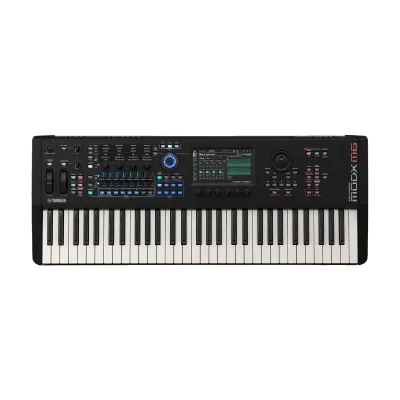
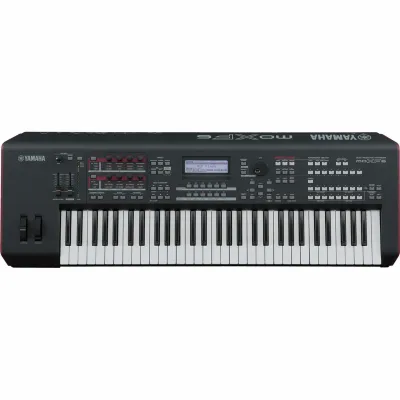
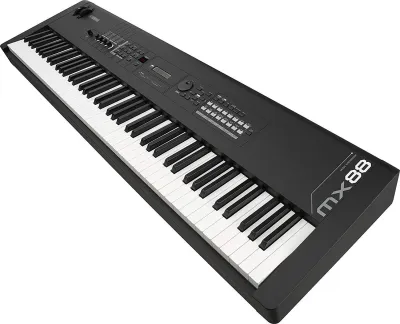
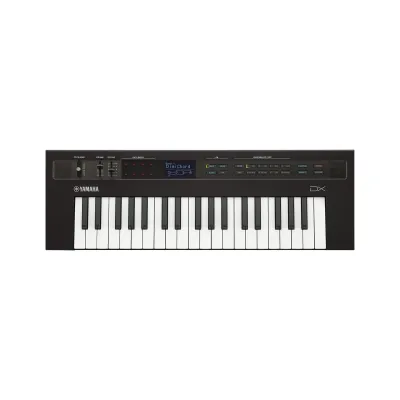
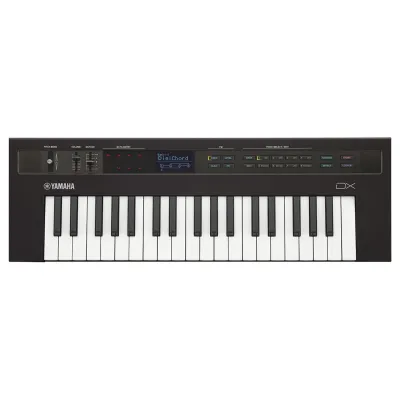
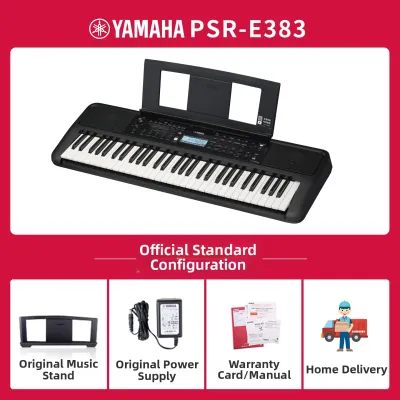
Prices are valid at publication and may change. Please refer to the product page for the latest price.
Decoding Yamaha's Synthesizer Lineups for Beginners
Before purchasing, it is essential to distinguish a true synthesizer from other keyboard instruments to avoid buying the wrong tool for your musical journey. Arranger keyboards focus on built-in backing tracks, automatic accompaniment, and casual play-along features. Digital pianos prioritize replicating the acoustic touch, weighted feel, and natural sound of a grand piano. True synthesizers, by contrast, allow you to sculpt, modulate, and create unique sounds from scratch or deeply edit existing waveforms using filters, envelopes, and low-frequency oscillators.
Yamaha’s entry-level and portable synthesizer families are designed to offer professional sound engines in accessible, lightweight formats. These instruments typically feature simplified navigation menus, pre-programmed sound libraries, and physical knobs or sliders to help beginners learn the basics of sound design without feeling overwhelmed by complex menus. They bridge the gap between simple playback devices and advanced professional workstations.
Since manufacturers periodically update their product catalogs, some highly regarded entry-level models may transition to legacy status over time. Always check the current production status on the manufacturer’s website and consult local dealer stock to ensure you are purchasing a supported model with an active warranty. This step prevents the accidental purchase of discontinued hardware that may no longer receive firmware updates or software compatibility patches.
Evaluating Key Action and Polyphony for Your Playing Style
The physical feel of the keyboard, known as the key action, directly impacts your playing experience, learning progression, and physical comfort. Synth-action keys are lightweight, springy, and ideal for fast lead lines, organ sounds, or electronic sound effects. They require minimal finger strength, making them highly accessible for beginners, though they lack the expressive resistance needed for classical piano pieces. Semi-weighted keys offer slightly more resistance, providing a middle ground for players who want a bit of physical feedback without the heavy feel of a traditional piano.

Fully weighted keys, often utilizing graded hammer action, mimic the resistance and mechanical feel of an acoustic piano. This action is crucial if you plan to develop traditional piano techniques, though it significantly increases the overall weight and cost of the instrument. Choosing the right action depends entirely on whether you view your synthesizer primarily as a sound design tool or as a piano-learning platform.
Polyphony refers to the maximum number of individual notes or voices the synthesizer can produce simultaneously. When playing complex chords with a sustain pedal, or layering multiple sounds together, low polyphony limits can cause older notes to cut off abruptly, a phenomenon known as voice stealing. Beginners should look for instruments that offer sufficient polyphony to handle layered arrangements and sustained passages without interrupting the sound.
To find your preference, visit a local music showroom to test different keybeds in person. Pay close attention to the velocity sensitivity, which determines how the sound volume and character respond to the force of your touch. Observe how comfortable the keys feel under your fingers, and test how easily you can control the dynamics of a simple melody.
Aligning Sound Engines and Connectivity with Your Creative Goals
Synthesizers generate sound using different technologies, and understanding these methods helps you match the instrument to your favorite musical genres. Sample-based synthesis engines use high-quality recordings of real instruments, making them excellent for realistic acoustic pianos, strings, and brass. Virtual analog and Frequency Modulation (FM) engines excel at creating electronic textures, deep basslines, and classic retro synth sounds. Many modern entry-level instruments combine these technologies, offering a versatile palette for diverse musical styles.
Modern connectivity is vital if you plan to integrate your synthesizer with a computer, tablet, or mobile device. Look for models that feature integrated USB audio and MIDI capabilities. This feature allows the keyboard to send both performance data and high-quality digital audio directly to your Digital Audio Workstation (DAW) using a single USB cable, eliminating the need for extra cables and simplifying your home studio setup.
You must also consider how you will hear your instrument during practice sessions. Many performance-focused synthesizers do not include built-in speakers, requiring you to budget for external studio monitors, a keyboard amplifier, or a high-quality pair of headphones. Instruments with built-in speakers offer immediate plug-and-play convenience for home practice, but they are generally less common in professional synthesizer lineups designed for stage or studio use.
Setting a Realistic Budget and Identifying Hidden Costs
When planning your purchase in Singapore, establishing a clear budget helps narrow down your options and prevents overspending. Entry-level Yamaha synthesizers generally range from around S$400 to S$1,000, while more advanced mid-range workstations can cost between S$1,200 and S$2,500. Setting a realistic budget ensures you acquire a reliable instrument without compromising on essential features like velocity-sensitive keys or modern connectivity.
The purchase price of the synthesizer itself is rarely the final cost of getting started. You will likely need to budget for essential accessories, including a sturdy keyboard stand, a sustain pedal for expressive playing, a padded gig bag for transport, and high-quality cables. If your chosen model lacks a built-in USB audio interface and you wish to record other instruments, you may also need to invest in an external audio interface.
To protect your investment, always purchase from authorized dealers in Singapore to ensure you receive a valid local warranty. Verify the specific terms of the warranty, the availability of local service centers, and the level of after-sales technical support provided by the retailer. Purchasing from unauthorized parallel importers may save money upfront but can leave you without support if the instrument requires repairs.
Your Pre-Purchase Verification Checklist
Before finalizing your purchase, complete these essential verification steps to ensure a smooth setup experience:
- Software and Firmware: Check the manufacturer's support page to confirm the latest firmware updates are available, and verify which bundled software licenses or sound expansion libraries are included with your purchase.
- Physical Inspection: If buying from an online marketplace or a local retail shop, inspect the physical chassis, test every key for consistent velocity response, and ensure all knobs, sliders, and jacks function correctly.
- Power and Accessories: Confirm the power supply unit is included in the box, matches Singapore's voltage requirements, and features the correct regional plug type.
- Return Policies: Review the seller's return policy and exchange terms to protect yourself against potential out-of-box defects.
Frequently Asked Questions (FAQ)
Do I need a dedicated audio interface to record a Yamaha synthesizer?
You do not always need a dedicated audio interface if your Yamaha synthesizer features a built-in USB audio interface. This feature allows the keyboard to transmit digital audio directly to your computer over a standard USB cable. However, if you want to record other analog sources simultaneously, such as microphones or guitars, or if you require ultra-low latency monitoring through professional studio monitors, a dedicated external audio interface remains highly beneficial.
Can I use a beginner Yamaha synthesizer for live gigging?
Yes, many beginner-friendly Yamaha synthesizers are highly suitable for live performances due to their lightweight construction and portable designs. When preparing for live gigs, ensure the instrument allows you to save custom sounds into easily accessible user banks for quick switching on stage. You should also verify that the physical chassis is durable enough to withstand transport and that the output jacks match the inputs of standard venue mixing consoles or keyboard amplifiers.
Community discussion
Share your experience or ask a question. Comments are reviewed before publication.