
Finding the perfect ukulele case bag requires matching your instrument’s physical dimensions with the internal measurements of the protective gear. While ukuleles generally fall into four standard size categories—soprano, concert, tenor, and baritone—slight variations in body shape, headstock design, and manufacturer specifications mean that relying solely on these labels can result in a case that is either too tight or dangerously loose. To guarantee a secure fit, you must measure your instrument’s total length, body length, lower bout width, and depth, then compare these figures directly against the internal dimensions of the case or bag you intend to purchase.
Identify Your Ukulele's Standard Size Category
To narrow down your initial search, it helps to understand where your instrument fits within the standard ukulele family. The four primary sizes are soprano, concert, tenor, and baritone. Each category features distinct scale lengths (the distance from the nut to the bridge) and body proportions that dictate the type of protection it requires.
The soprano is the smallest and most traditional size, typically measuring around 53 centimeters (21 inches) in total length. It is known for its classic, bright, and plucky sound. Because of its compact frame, finding a matching gig bag is relatively straightforward, but the slim neck and lightweight body require a snug fit to prevent shifting during travel.
Products mentioned in this guide

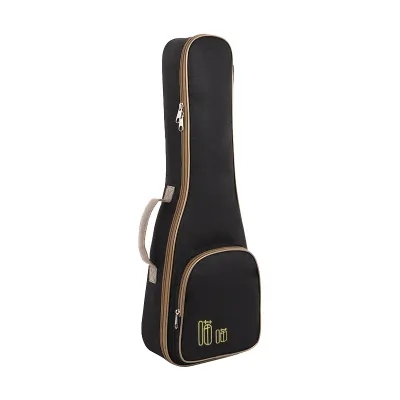
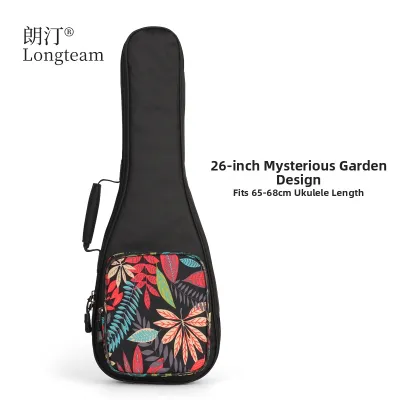
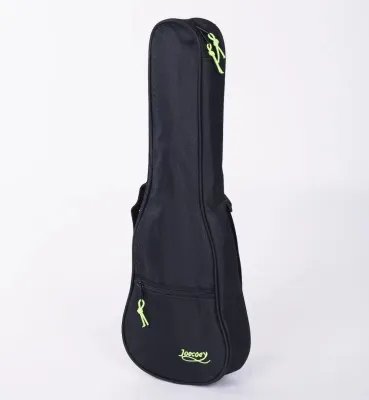
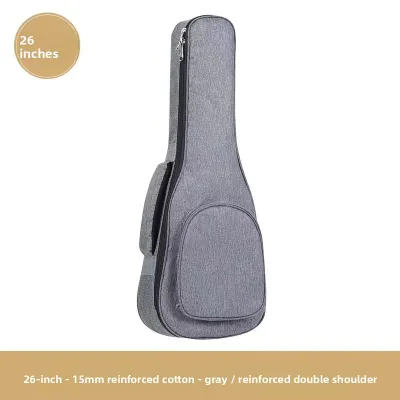
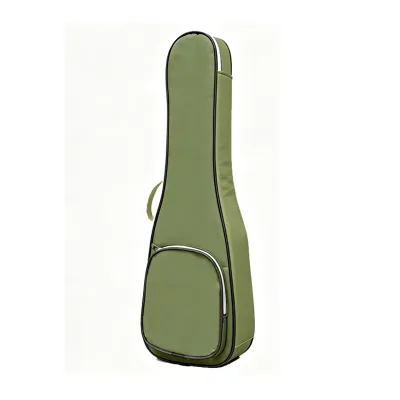
Prices are valid at publication and may change. Please refer to the product page for the latest price.
Next is the concert ukulele, which measures approximately 58 centimeters (23 inches). It offers a slightly longer neck, more frets, and a fuller sound than the soprano. The body is noticeably wider, meaning a soprano case will not accommodate a concert instrument, even though they share similar tuning.
The tenor ukulele steps up to around 66 centimeters (26 inches) in length. It is favored by many performers for its deep, resonant tone and wider fret spacing. Tenor ukuleles often feature deeper bodies and larger headstocks, which require dedicated cases with ample neck support and headstock clearance.
The baritone is the largest of the standard sizes, measuring roughly 76 centimeters (30 inches) or more. It is tuned differently from the other three—matching the top four strings of a guitar—and features a significantly larger body. A baritone ukulele requires a specialized case, as standard tenor bags are far too small.
While these four categories are widely accepted, physical dimensions can vary slightly between brands. For instance, a tenor ukulele from one manufacturer might have a wider lower bout or a thicker body than a tenor from another brand. If you are unsure of your instrument’s exact category, look for the original purchase receipt, check the manufacturer’s label inside the soundhole, or search the specific model number online to identify its designated size class before proceeding.
How to Measure Your Ukulele for an Exact Fit
Relying solely on the label “concert” or “tenor” can lead to frustrating return processes, especially when ordering online. Taking precise physical measurements of your instrument is the most reliable way to ensure a perfect match. By capturing a few key dimensions, you can compare your instrument’s physical footprint directly against a case’s interior specifications.

Key Dimensions to Measure
To find a compatible ukulele case bag, you need to measure four critical dimensions:
- Total Length: Place your measuring tape at the very tip of the headstock and extend it down to the bottom edge of the lower body. Be sure to measure to the absolute furthest point, including any protruding tuning pegs or strap buttons installed on the base.
- Body Length: Measure from the joint where the neck meets the wooden body down to the bottom edge of the instrument. This helps determine if the body compartment of a molded hard case will align correctly with your ukulele's shape.
- Lower Bout Width: This is the widest part of the ukulele's lower body, representing the bottom half of the classic figure-eight shape. It is a critical measurement because a case that is too narrow in the lower bout will simply not close, regardless of whether the length is correct.
- Body Depth: Measure the thickness of the wooden body at its deepest point. When taking this measurement, account for any protruding elements such as a raised bridge, bridge pins, or top-mounted control knobs if your instrument features onboard electronics.
Tools and Tips for Accurate Measuring
To get the most accurate results, use a soft, flexible sewing measuring tape rather than a rigid metal construction tape. A rigid metal tape can easily scratch the delicate gloss or satin finish of your ukulele and does not bend easily around the curved contours of the instrument’s body.
Before you begin, lay your ukulele flat on a clean, soft surface such as a plush towel, a yoga mat, or a carpeted floor. This prevents the instrument from sliding around and protects the back of the body and headstock from abrasive scratches while you work.
Always account for aftermarket modifications or unique hardware. If you have installed strap buttons on the heel or base, or if your ukulele features oversized vintage-style tuning pegs, add a few millimeters of clearance to your final numbers. Neglecting these small additions can result in a case that puts unnecessary pressure on crucial joints.
How to Read Ukulele Case Bag Specifications
Once you have your ukulele’s exact measurements, the next step is interpreting the product specifications provided by manufacturers and retailers. Understanding how these listings are structured will help you avoid common purchasing mistakes.
Internal vs. External Dimensions
When browsing listings for a ukulele case bag, you will often see two sets of measurements: internal and external.
Internal dimensions are the most critical figures for your instrument’s fit. These numbers represent the actual usable space inside the case. To ensure your ukulele fits comfortably without being crushed, the internal dimensions of the case must be equal to or slightly larger than your instrument’s measurements.
External dimensions tell you the overall physical size of the case itself. While these do not affect how your ukulele fits inside, they are highly important for practical daily use. In Singapore, where space is often at a premium, knowing the external dimensions helps you determine if the case will fit easily into an HDB storage closet, a car boot, or if it complies with carry-on size limits for flights departing from Changi Airport.
Be cautious when shopping online, as some budget retailers only display external dimensions to make their products seem more substantial. If a listing does not explicitly state “internal dimensions,” verify the specs on the manufacturer’s official website or contact the seller directly before making a purchase.
Hard Cases vs. Gig Bags: Fit and Protection
The type of case you choose dictates how precise your measurements need to be. Hard cases and soft gig bags have very different tolerances for sizing discrepancies.
Hard Cases: These structures, often made of wood, fiberglass, or ABS plastic, require an incredibly snug and precise fit. The interior plush lining is designed to hold the instrument firmly in place. If the internal space is even slightly too large, the ukulele will slide around during transit, risking structural damage to the neck, bridge, or delicate headstock.
Gig Bags (Soft Cases): These fabric-based bags offer more dimensional flexibility. Because the materials are pliable, a gig bag that is slightly larger than your ukulele can still provide excellent protection, provided it features high-density foam padding, adjustable neck cradles, and interior straps to secure the neck. However, a bag that is too small will compress the zipper against the edges of the instrument, potentially scratching the finish or putting strain on the tuning pegs.
In Singapore’s tropical climate, where high humidity levels can affect wooden instruments over time, a proper case also serves as a protective barrier. A well-fitted hard case or a high-quality padded gig bag with a tight seal can help maintain a stable environment for your instrument, especially when paired with small silica gel packs or humidity control packets.
Step-by-Step Matching Guide Before You Buy
To make a confident purchase, follow this systematic checklist to match your measured dimensions with the right product.
- Step 1: Compare the core numbers. Start by cross-referencing your ukulele's total length, lower bout width, and body depth with the case's internal specifications. The case's internal length should ideally be 1 to 2 centimeters longer than your instrument to allow for easy insertion and removal without forcing the zipper or latches.
- Step 2: Assess the interior shape. Ensure the case is designed specifically for a standard figure-eight ukulele. Avoid generic rectangular utility cases unless they feature customizable pick-and-pluck foam. A case designed for a guitar or a mandolin will not support a ukulele's unique weight distribution and neck angle.
- Step 3: Check accessory compartment clearance. Look for a bag or case that features a dedicated internal pocket or an external zippered compartment. Storing tuners, spare strings, capos, or cleaning cloths directly in the main compartment with the ukulele can scratch the wood or apply localized pressure that damages the top soundboard.
- Step 4: Verify the return policy. Because minor design variations exist across different ukulele brands, there is always a small chance of an unexpected fit issue. When buying online or from a local distributor in Singapore, ensure the retailer offers a clear return or exchange policy. This allows you to test the fit at home and exchange the case if the neck support or body depth is not a perfect match.
Sizing for Non-Standard and Specialty Ukuleles
While standard soprano, concert, tenor, and baritone categories cover the vast majority of instruments, many players own specialty models that do not adhere to traditional dimensions.
Pineapple-shaped ukuleles are a popular alternative to the classic figure-eight design. Because they lack a defined waist, their upper and lower bouts are much wider. A standard molded hard case will rarely fit a pineapple ukulele; instead, you will need a flexible gig bag with generous width or a hard case specifically designated for pineapple models.
Travel or “super-soprano” ukuleles present a different challenge. These instruments often combine a longer concert-scale neck with a compact soprano-sized body. If you put a super-soprano into a standard soprano case, the neck will be too long; if you put it in a concert case, the body compartment will have excessive empty space. For these hybrid models, look for cases specifically engineered for long-neck variants.
Electric solid-body ukuleles are much thinner than acoustic models and often feature unique, angular body shapes resembling electric guitars. A standard acoustic ukulele case bag will have far too much depth, allowing the heavy solid-body instrument to bounce around. Look for specialized slim-profile gig bags or cases designed specifically for solid-body electric ukuleles.
If you own any of these specialty instruments, avoid guessing the size. Your best course of action is to contact the instrument’s manufacturer directly to ask for recommended case models, or reach out to a specialized music retailer with your exact measurements to get a professional recommendation.
Frequently Asked Questions (FAQ)
Can I use a concert case for a soprano ukulele?
While a soprano ukulele will physically fit inside a larger concert case, doing so is generally not recommended for hard-shell cases. The excess space allows the smaller instrument to shift and slide during transport, which can lead to structural damage if the case is dropped or bumped. If you must use a concert-sized soft gig bag for a soprano ukulele, ensure the bag is equipped with adjustable thick foam padding, a dedicated neck cradle, or internal hook-and-loop straps to secure the neck and keep the body centered.
How much extra room should be inside the case?
For a hard-shell case, you should aim for a very snug fit with no more than 1 to 2 centimeters of total clearance along the length and width. The plush interior padding should gently hug the sides of the instrument without requiring you to force it down. For a soft gig bag, a slightly higher clearance of 2 to 3 centimeters is perfectly acceptable, as the flexible fabric and compressible foam padding will naturally conform to the shape of the instrument when zipped closed.
Community discussion
Share your experience or ask a question. Comments are reviewed before publication.