
A secure and comfortable fit for your guzheng nails depends on choosing breathable medical tape, aligning each nail to match the natural curve of your finger, and wrapping the tape without restricting blood flow. Proper attachment ensures clean string contact, prevents slipping during rapid passages, and protects your fingers from strain. By mastering the preparation, precise positioning, wrapping technique, and maintenance of your picks, you can achieve a balanced tone and play comfortably for hours.
Preparing Your Materials and Hands for a Secure Fit
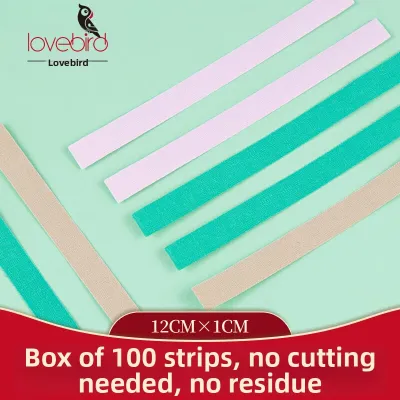
Achieving a stable fit begins with selecting the right tape. Standard adhesive tapes are often too rigid or leave a sticky residue that ruins the finish of your guzheng strings. Look for specialized, breathable cotton medical tape, which is widely available in music shops and online marketplaces. This tape offers the necessary elasticity to expand with your finger movements while providing a reliable grip that prevents the nail from shifting during intense play.
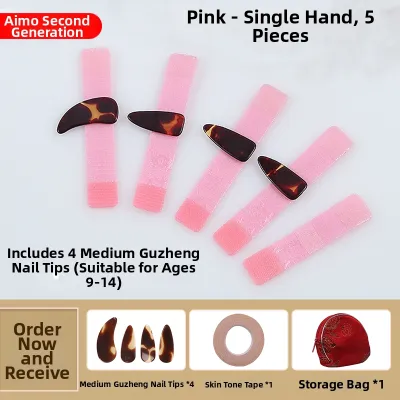
Before applying any tape, you must verify that your guzheng nails are the correct size and shape for your hands. Guzheng nails, typically made of natural materials like tortoiseshell, resin, or synthetic polymers, come in various sizes such as small, medium, and large. The inner curvature of the nail should closely mirror the natural arch of your fingernail. If the nail is too flat, it will pinch the sides of your finger; if it is too curved, it will wobble and slip during performance.
Products mentioned in this guide
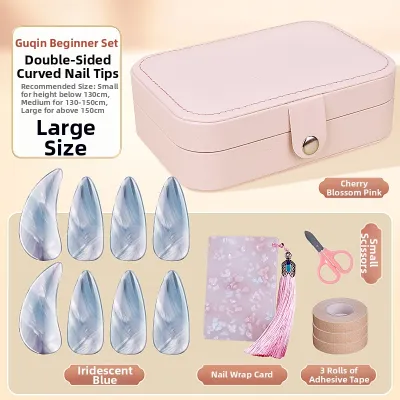
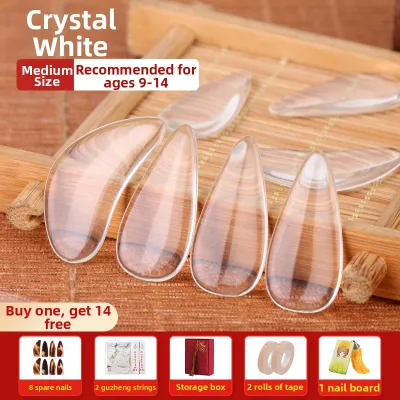
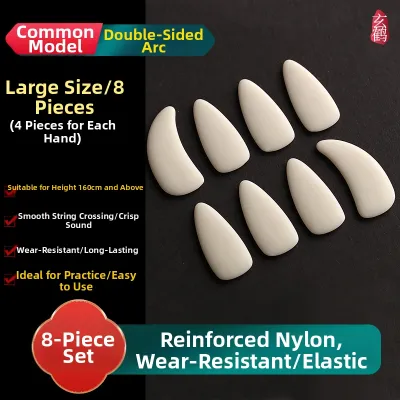
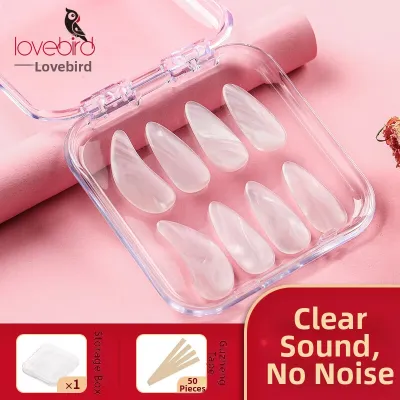
Prices are valid at publication and may change. Please refer to the product page for the latest price.
Proper hand hygiene is another critical factor in tape adhesion. Natural skin oils, hand creams, and sweat will quickly break down the adhesive backing of the tape, causing the nails to slide off mid-practice. Wash your hands thoroughly with soap and warm water to remove any surface oils, then dry them completely with a lint-free towel. If you live in a humid climate like Singapore, ensuring your hands are entirely dry before taping is especially important for maintaining a secure bond.
Step-by-Step Guide to Taping Your Guzheng Nails
Attaching your guzheng nails is a systematic process that requires patience and precision. The entire procedure can be divided into two critical phases: establishing the correct physical alignment of the nail against your finger, and executing the tape wrap to secure it.

Rushing through the alignment phase is a common mistake that often compromises your entire playing experience. If the nail is misaligned even slightly, your string contact angle will be off, resulting in a thin, scratching tone or missed notes. Taking an extra moment to position each nail carefully before wrapping will save you from constant adjustments during your practice session.
Positioning the Nail for the Optimal String Contact Angle
To begin positioning, place the flat or slightly concave back of the guzheng nail against the pad of your finger. The base of the nail should align with the natural curve of your fingertip, providing a solid structural foundation. For the index, middle, and ring fingers, the nail should run parallel to the finger bone, pointing straight out from the tip. The thumb nail is unique, as it is typically attached at an angle—usually around 45 degrees—to accommodate the lateral striking motion used in thumb techniques.
The length of the nail extending beyond your actual fingertip directly influences your tone and control. As a general guideline, the tip of the guzheng nail should extend approximately two to three millimeters past your physical fingertip. If the nail is too short, your skin will strike the strings, dampening the sound; if it is too long, you will lose leverage, making the strings feel heavy and difficult to control. You can adjust this extension slightly based on your finger thickness and whether you prefer a light, fast attack or a deeper, more resonant tone.
While positioning the nail, you must keep the tape and the nail base clear of your finger’s primary bending joint, known as the distal interphalangeal joint. Placing tape over this joint restricts your finger’s natural mobility, forcing you to play with stiff, tense hands. Ensure the entire wrapping area remains on the first phalanx, allowing your joints to flex freely so you can execute delicate dynamics and fast ornaments without resistance.
Wrapping the Tape Securely Without Restricting Circulation
To wrap the nail, cut a piece of tape approximately 15 to 20 centimeters in length. Begin by sticking one end of the tape to the back of the guzheng nail, about one-third of the way up from the base. Wrap the tape around your finger, ensuring that each subsequent layer overlaps the previous one by about half its width. This overlapping technique distributes the pressure evenly across the finger pad and prevents the tape from bunching up or peeling away at the edges.
Finding the correct tension requires a careful balance between security and comfort. The wrap must be tight enough to prevent the nail from rotating or sliding when you strike a heavy bass string, yet loose enough to maintain healthy blood circulation. After wrapping, perform a quick physical check: press the tip of your finger and ensure the skin color returns to normal within a second. If your fingertip feels cold, throbs, or turns slightly blue, the tape is too tight and must be removed and reapplied immediately.
To finish the wrap, press the remaining end of the tape firmly against the existing layers on the back or side of your finger. Avoid ending the tape on the front pad where it might rub against the strings or your palm during play. Smooth down all the edges with your thumb to activate the pressure-sensitive adhesive, ensuring there are no loose corners that could catch on the guzheng strings and unravel during a performance.
Adjusting the Fit for Different Playing Techniques
As you progress to more advanced repertoire, you may find that different playing techniques require subtle adjustments to how you fit your nails. For instance, executing continuous tremolo (yaozhi) demands a highly stable pivot point. If you are practicing heavy tremolo passages, you might prefer to wrap the tape slightly tighter or position the nail a fraction of a millimeter shorter to increase your control and reduce the physical strain on your wrist and forearm.
For fast, intricate finger sequences that require rapid movement across multiple strings, minimizing bulk is essential. In these scenarios, you should prioritize joint mobility by using slightly narrower tape strips. This reduces the physical footprint of the wrap, allowing your fingers to pass closely past one another without the tape layers rubbing together or causing friction that could slow down your execution.
Long practice sessions also present unique challenges, as your fingers naturally swell over time due to increased blood flow and physical exertion. If you feel your tape becoming uncomfortably tight after an hour of playing, do not ignore the sensation. Take a short break, remove the tape to let your hands rest, and reapply fresh tape with slightly less tension to accommodate the natural temporary increase in finger volume.
Troubleshooting Common Fitting and Comfort Issues
If you notice your guzheng nail rotating or sliding sideways during play, the issue is usually caused by incorrect base alignment or insufficient tape tension. First, check if your finger was completely dry before application, as residual moisture or oil will ruin the tape’s grip. If the skin is clean, try starting your tape wrap with a slightly wider anchor on the nail itself, ensuring the tape covers a larger surface area of the pick to lock it in place against your finger pad.
Restricted circulation is a serious issue that can lead to temporary numbness, tingling, or loss of fine motor control. If you experience any of these warning signs, stop playing immediately and peel off the tape. Never attempt to “push through” the numbness, as playing with restricted blood flow can cause muscle strain or long-term nerve irritation. Reapply the tape with a gentler tension, focusing on a smooth, even wrap rather than a tightly squeezed one.
Another common issue is a scratching or scraping noise when the nail contacts the string, which often points to an incorrect angle of attack. If your tone sounds thin or harsh, check if the nail is aligned flat against the string surface. If the nail is tilted to one side, only the sharp edge will strike the metal, creating unwanted friction. Adjust the nail’s position on your finger so that the flat face of the pick meets the string squarely, resulting in a warm, full-bodied sound.
Removing the Tape and Maintaining Your Guzheng Nails
When you finish your practice session, removing the tape gently is important to protect your skin from irritation. Avoid ripping the tape off quickly, as this can pull at the delicate skin of your fingertips and cause micro-tears over time. Instead, find the loose end of the tape and peel it back slowly in the direction of your hair growth, supporting the skin with your other hand as you pull.
Over multiple sessions, adhesive residue will inevitably build up on both your fingers and your guzheng nails. To clean your fingers, wash them with warm water and soap, or use a small amount of skin-safe olive oil or rubbing alcohol on a cotton pad to dissolve the sticky spots. For your guzheng nails, gently wipe them with a damp microfiber cloth. Avoid soaking natural material nails in water or using harsh chemical solvents, which can dry out the material and cause it to crack.
Proper storage is vital to preserve the shape and lifespan of your guzheng nails. Store your clean, dry nails in a dedicated accessory box or a padded pouch, keeping them away from direct sunlight, extreme heat, and high humidity. Leaving your nails in a hot car or near a window can cause synthetic materials to warp and natural materials to become brittle, ruining the precise curvature required for a comfortable fit.
Frequently Asked Questions (FAQ)
How many guzheng nails should I wear on each hand?
The standard configuration for modern guzheng playing involves wearing four nails on each hand, attached to the thumb, index, middle, and ring fingers. This setup allows you to execute complex, two-handed contemporary pieces that require intricate plucking patterns. However, traditional regional styles or beginner exercises may only require four nails on the right hand, leaving the left hand bare to press and bend the strings behind the bridges to control pitch and ornamentation.
Can I reuse the tape for multiple playing sessions?
Reusing tape is generally discouraged because the adhesive backing loses its grip once exposed to skin oils, sweat, and dust. Reused tape is highly prone to slipping mid-performance, which can disrupt your playing and affect your tone. For the best stability and hygiene, it is recommended to use a fresh strip of tape for each practice session. However, if you are taking a very brief break of ten to fifteen minutes, you can carefully slide the taped nails off your fingers as a unit and slide them back on, provided the tape still holds its shape and tension.
What should I do if my fingers sweat heavily during practice?
If your fingers sweat heavily, start by washing your hands with cold water before practice to close the pores, and dry them thoroughly. You can apply a tiny amount of talcum powder or a specialized grip powder to your palms, keeping it away from the fingertips where the tape adheres. Additionally, look for high-grade, athletic-style cohesive tapes or porous medical tapes that offer superior moisture resistance and breathability, ensuring the adhesive remains secure even during long, intense practice sessions in warm environments.
Community discussion
Share your experience or ask a question. Comments are reviewed before publication.