
A collapsing music stand or sliding sheet music can instantly disrupt a practice session, rehearsal, or live performance. Whether you are dealing with a lightweight folding model that sways with every breeze or a heavy-duty orchestral stand that slowly sinks under the weight of a thick binder, these frustrations are usually caused by mechanical wear, incorrect setup, or environmental factors. Fortunately, most stability issues can be resolved with simple adjustments, proper positioning, and basic maintenance. Understanding how to secure your musical stand ensures you can focus entirely on your performance without worrying about your sheet music or tablet falling to the floor.
Diagnose Why Your Music Stand Keeps Collapsing or Wobbling
Identifying the root cause of a wobbly stand requires a quick inspection of its physical setup and design. The most common culprit is an improperly adjusted base footprint. Tripod stands rely on a wide base of support to distribute weight evenly; if the legs are only partially extended, the center of gravity rises, making the entire structure highly susceptible to tipping. Solid, flat-base designs, on the other hand, require a perfectly flat surface to remain stable and can wobble significantly if even one corner loses contact with the floor.
Mechanical wear on the locking mechanisms is another frequent cause of sudden collapses. Most portable stands use plastic or metal tightening knobs that press against the inner telescopic tubes to hold them in place. Over time, the threads on these knobs can strip, or the internal friction collars can wear down, preventing the joint from holding a secure grip under load. If you notice a gradual sinking of the desk during use, the locking mechanism is likely failing to create enough friction.
Products mentioned in this guide
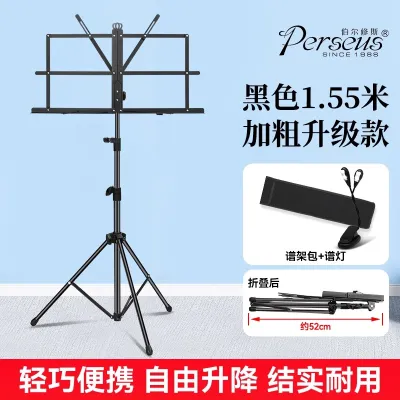

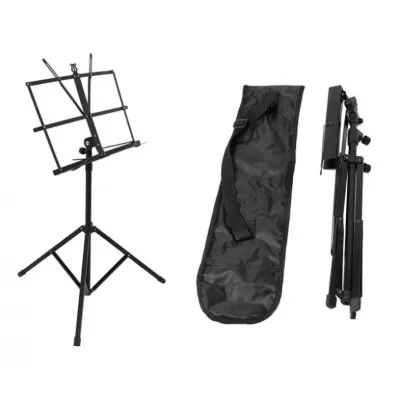
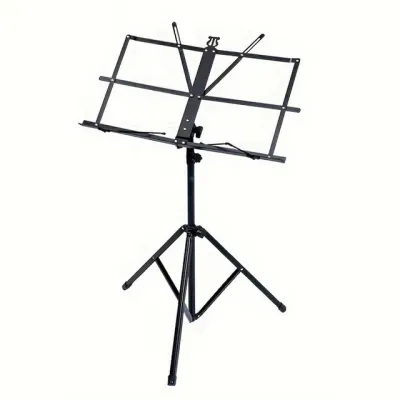
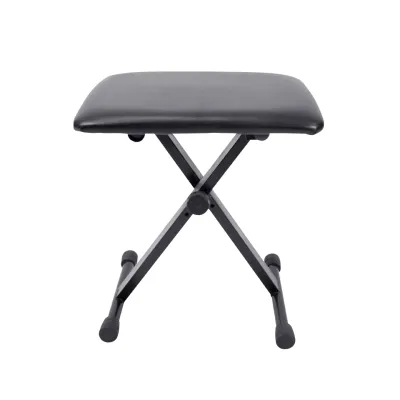
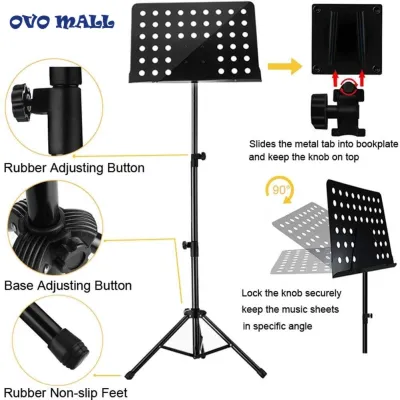
Prices are valid at publication and may change. Please refer to the product page for the latest price.
Environmental factors in your practice or performance space can also compromise stability. Strong drafts from open windows, ceiling fans, or high-velocity air conditioning units can easily catch loose sheet music like a sail, pulling a lightweight stand over. Additionally, thick carpeting, uneven floorboards, or warped stage planks prevent the feet of the stand from making solid contact, amplifying any minor vibrations caused by your movement or page turns.
Practical Fixes to Stabilize a Wobbly Music Stand
To restore structural stability to a shaky stand, begin by optimizing the physical setup. For tripod models, fully extend the legs so the support braces are parallel to the floor, which provides the widest possible footprint and lowers the center of gravity. If you do not need the stand at its maximum height, keep the telescopic sections as low as comfortably possible, as extending the tubes to their limits naturally increases sway and instability.

If the telescopic joints are slipping despite tightening the knobs, you can often restore grip with simple, reversible adjustments. Inspect the tightening knobs and the collar joints; if the threads are intact but slipping, wrapping a thin piece of rubber or a silicone band around the inner tube before inserting it can provide the necessary friction. Additionally, check the rubber or plastic feet at the bottom of the legs. If they are worn out or missing, replacing them with universal rubber caps will prevent the stand from sliding on smooth tile or wooden floors.
For top-heavy setups, such as when supporting a heavy anthology book or a large digital tablet, adding a safe counterweight to the base is an effective solution. A small, clean sandbag or a weighted ankle strap wrapped securely around the bottom collar of the tripod base will dramatically increase stability without damaging the frame. Avoid hanging heavy bags from the adjustment knobs, as this uneven weight distribution can bend the telescopic shafts.
If your inspection reveals that the structural joints are cracked, the metal tubes are severely bent, or the threads inside the casting are completely stripped, stop attempting DIY adjustments. Forcing a damaged joint to tighten can cause sudden mechanical failure during a performance, potentially damaging your instrument or equipment. In these situations, consult the manufacturer for authorized replacement parts or seek professional advice.
How to Stop Sheet Music and Tablets from Slipping Off
Adjusting the angle of the music desk is the first step in preventing sheets and devices from sliding off. A desk that is positioned too vertically relies entirely on the shallow bottom lip to hold the weight, which often leads to pages bowing forward and slipping. Tilting the desk slightly backward allows gravity to pull the sheet music or tablet flat against the surface, significantly reducing the risk of forward slips while maintaining excellent readability.
For loose sheets, individual printouts, or lightweight books, non-slip accessories are highly effective. Placing a thin, clear silicone mat or a sheet of high-friction drawer liner on the desk surface provides an invisible grip that keeps paper from sliding. Standard binder clips, wooden clothespins, or specialized elastic music bands can also be used to clamp pages securely to the sides of the desk, which is especially useful in drafty environments.
Many folding stands feature built-in wire page retainers at the bottom of the desk. Over time, these spring-loaded arms can lose their tension or become bent out of shape. You can gently bend them back toward the desk surface to restore their holding power, but do so gradually and carefully to avoid snapping the metal at the hinge point. For solid-desk stands without built-in clips, using small, heavy-duty magnets is an excellent way to secure paper sheets directly to a steel desk.
Techniques for Smooth Page Turning Without Bumping the Stand
Smooth page turns require careful preparation of your sheet music layout before you begin playing. If you are using loose sheets, organizing them in a heavy-duty three-ring binder with non-glare sheet protectors keeps them organized and prevents individual pages from fluttering away. Placing small, adhesive index tabs or page markers on the outer edges of critical pages allows you to grab and turn them quickly without fumbling or grabbing multiple sheets at once.
Your physical page-turning technique also plays a major role in maintaining stand stability. Avoid grabbing the page from the top or middle, as this motion often pulls the entire stand forward. Instead, slightly fold or dog-ear the bottom right corner of the page upward before you start playing. This creates a small, accessible tab that you can easily slide your finger under, allowing for a swift, downward-and-across motion that exerts minimal physical force on the stand.
Proper ergonomic positioning of the musical stand prevents accidental physical contact during play. Position the stand at a comfortable reading distance where you can easily reach the pages without stretching or leaning forward. Ensure there is adequate clearance between the stand and your instrument, particularly for instruments with wide physical movements like violins, flutes, or trombones, to prevent the bow or instrument body from striking the desk.
When to Repair, Replace, or Upgrade Your Music Stand
Knowing when to salvage your current stand and when to invest in an upgrade depends on the severity of the damage. Irreversible structural issues, such as severely bent metal shafts that prevent the telescopic sections from sliding, stripped internal threads that can no longer hold tension, or broken welds at the base, are clear indicators that the stand is no longer safe to use and should be replaced.
Consider the cost and effort of sourcing replacement parts versus purchasing a new model. For a basic, lightweight wire folding stand, attempting to source specialized replacement parts is rarely cost-effective. However, for high-quality, professional-grade orchestral stands, manufacturers often sell individual replacement knobs, rubber feet, or clutch assemblies, making a targeted repair highly worthwhile.
Your choice of stand should always match your specific use case. If you are transitioning from lightweight sheet music to a heavy digital tablet or thick anthologies, a lightweight wire folding stand will struggle to provide the necessary support. Upgrading to a solid-desk orchestral stand with a heavy steel base, or a dedicated digital tablet mount with a reinforced locking clutch, will provide the structural integrity required to keep your expensive devices and heavy scores completely secure.
Frequently Asked Questions (FAQ)
Can I use lubricants on stiff music stand joints?
Only use dry lubricants, such as graphite powder or dry silicone spray, and apply them very sparingly to metal-on-metal threads or hinges that are difficult to turn. Avoid using wet, oily lubricants like standard household oils or WD-40 on telescopic joints or friction collars. These wet substances attract dust, lint, and grit, which quickly wear down the internal friction pads and cause the stand to slip constantly.
How do I clean a music stand without damaging the finish?
To clean your stand, use a soft, slightly damp microfiber cloth to wipe away dust, fingerprints, and sweat. For metal stands with a matte black powder coating, avoid harsh chemical solvents, abrasive scrubbing pads, or alcohol-based cleaners, as these can strip the protective finish, promote rust, or degrade the rubber grips and plastic knobs. Always dry the stand thoroughly with a clean towel immediately after wiping it down to prevent moisture from settling in the joints.
Community discussion
Share your experience or ask a question. Comments are reviewed before publication.