
Proper violin bow maintenance relies on three daily habits: adjusting hair tension correctly before and after play, cleaning off rosin dust immediately after use, and protecting the delicate wood and horsehair from environmental extremes. By establishing a consistent care routine, you preserve the bow’s camber (its natural curve), prevent the wood from warping, and ensure the hair grips the strings cleanly for optimal tone production. Neglecting these simple steps can lead to costly repairs, such as a warped stick or a premature rehair, which can easily disrupt your practice schedule and musical progress.
Whether you play on a student-grade fiberglass bow or a fine pernambuco wood masterpiece, the fundamental principles of bow care remain the same. The bow is a highly tensioned, precision tool that requires just as much attention as the violin itself. Understanding how to handle, clean, and store this accessory will not only extend its lifespan but also enhance your overall playing experience by keeping your instrument’s voice clear and responsive.
Essential Tools and Materials for Bow Maintenance
To care for your violin bow safely, you do not need an expensive array of specialty products. Keeping your toolkit simple and clean is the best way to avoid accidental damage to the bow’s delicate varnish and hair.
Products mentioned in this guide
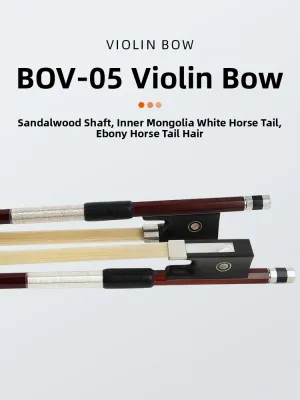
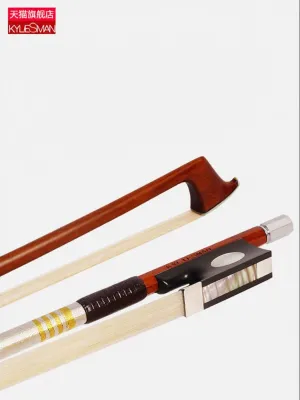
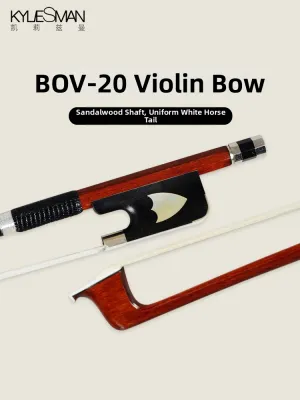
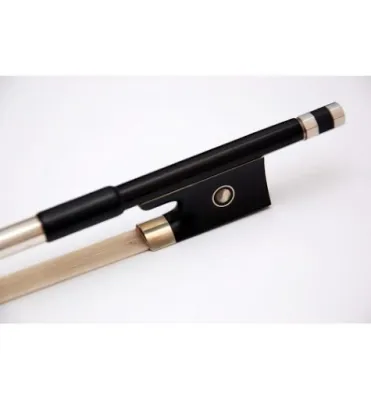

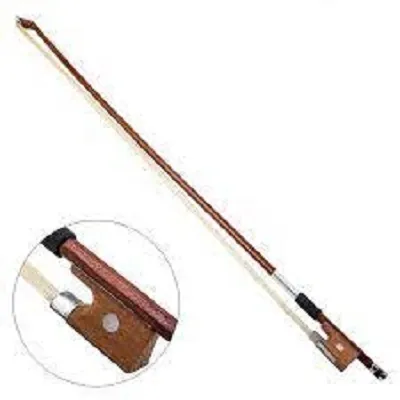
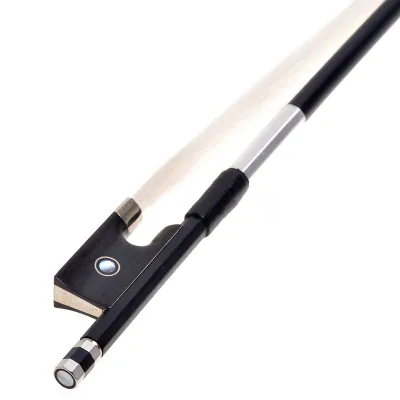
Prices are valid at publication and may change. Please refer to the product page for the latest price.
A dedicated cleaning cloth is the most important tool in your maintenance kit. This should be a soft, lint-free microfiber or high-quality cotton cloth used exclusively for wiping down the bow. Avoid using the same cloth you use to clean your violin’s body, as rosin dust and wood polish should never mix or be transferred back and forth between the instrument and the bow stick.
You will also need a high-quality rosin block suited to your playing environment and string setup. In warm, tropical climates like Singapore, players often find that harder, lighter rosins perform more consistently, as softer dark rosins can become overly sticky and gummy in high humidity.
Finally, a small, soft-bristled brush, such as a clean, unused cosmetic brush or a very soft toothbrush, is incredibly useful. This tool allows you to gently sweep away loose rosin dust from hard-to-reach areas around the frog, screw, and metal winding without scratching the wood or damaging the delicate fittings.
Daily Routine: Adjusting Tension and Applying Rosin
Every playing session should begin with a careful routine of tension adjustment and precise rosin application. These initial steps prepare the bow to interact perfectly with the violin strings while protecting the structural integrity of the stick.

To adjust the hair tension, slowly turn the screw at the end of the bow clockwise. As you tighten, perform a visual gap check at the middle of the stick. The space between the hair and the wooden stick should be roughly the width of a standard pencil, which is approximately five to eight millimeters. Never tighten the bow to the point where the stick loses its natural inward curve and becomes completely straight or bows outward. Over-tightening places immense stress on the wood and can permanently warp the stick or strip the internal screw threads.
Once the tension is set, you can apply rosin. Hold the rosin block in one hand and place the bow hair flat against the surface. Draw the bow smoothly from the frog to the tip, repeating this motion three to five times. Ensure the application is even across the entire length of the hair. Avoid rapid, aggressive scrubbing motions, as the resulting friction generates heat that can melt the rosin, causing it to clump and ruin the hair’s texture. New bows or freshly rehaired bows will require more initial rosin, but for daily maintenance, a few light passes are more than enough to maintain a clear, resonant tone.
Throughout this process, make a conscious effort never to touch the bow hair with your bare fingers. The natural oils, sweat, and dirt on your skin transfer instantly to the horsehair. Once these oils coat the hair, they create slick spots that prevent rosin from adhering, ultimately ruining the hair’s ability to grip the strings and forcing you to seek a professional rehair much sooner than necessary.
Post-Playing Care: Cleaning and Releasing Tension
The care you provide immediately after you finish playing is just as critical as your pre-performance preparation. Establishing a post-playing routine ensures that your bow remains in excellent condition while resting in its case.
The absolute first step when you finish playing is to loosen the bow hair. Turn the tension screw counterclockwise until the hair is completely relaxed and almost touches the wooden stick. Leaving the bow under tension when not in use stretches the horsehair permanently and causes the wooden stick to lose its camber, or natural spring. Over time, a bow left under constant tension will lose its responsiveness, making advanced bowing techniques much more difficult to execute.
Next, use your dedicated dry microfiber cloth to wipe away all rosin dust from the wooden stick, the frog, and the metal fittings. Rosin dust is highly acidic and, if left on the bow, will eventually bond with the varnish, dulling the finish and making it incredibly difficult to remove without damaging the wood. Gently wipe the stick from the frog to the tip, taking care not to press hard against the hair itself.
Under no circumstances should you use liquid cleaners, wood polishes, or rubbing alcohol on the bow stick. Alcohol is a powerful solvent that will instantly dissolve the traditional spirit or oil varnishes used on fine wooden bows, stripping away the protective finish and ruining the wood’s appearance. If your bow has a stubborn buildup of rosin that a dry cloth cannot remove, do not attempt to scrub it off with household chemicals; instead, take it to a professional luthier for a safe, deep clean.
Deep Cleaning and Long-Term Bow Hair Care
While daily wiping keeps major buildup at bay, your bow will occasionally require deeper care to address accumulated rosin and natural wear. Knowing how to handle these long-term maintenance needs safely will prevent accidental damage to the delicate components of the bow.
If you notice a heavy buildup of caked rosin near the frog or tip, use your soft-bristled brush to gently sweep the loose powder away. Work slowly and follow the direction of the wood grain and hair fibers. Do not use water or liquid soap during this process, as moisture can easily seep into the wooden wedges that secure the hair at either end of the bow, causing them to swell, crack the wood, or loosen the hair bundle entirely.
Over months of regular playing, you will eventually notice signs that the bow hair is worn out. Horsehair features microscopic scales that grip the violin strings to produce sound; over time, these scales wear smooth through friction. If your bow begins to slip across the strings, fails to hold rosin even after a fresh application, or produces a glassy, weak tone, the hair has reached the end of its functional life. Additionally, if you lose a significant number of hairs from one side of the bow, the uneven tension can cause the stick to warp, indicating that a rehair is necessary.
Although some online tutorials suggest washing bow hair at home using soap or denatured alcohol, this DIY approach is highly risky. It is incredibly easy for liquids to reach the delicate wooden parts of the frog or tip, leading to structural failure. A professional luthier has the specialized tools, jigs, and experience required to clean or replace bow hair safely, ensuring that the delicate balance and tension of your bow are preserved.
Proper Storage and Environmental Protection
Environmental factors pose some of the greatest threats to the longevity of a violin bow. Because bows are constructed from organic materials like wood and horsehair, they react constantly to changes in temperature and humidity.
Always store your bow in a sturdy, hard-shell violin case when you are not playing. The case should feature secure bow spinners or clips that hold the bow firmly in place, preventing it from rattling around or colliding with the violin. Never leave a bow loose on a chair, music stand, or bed, where it can easily be sat on, stepped on, or knocked to the floor.
Managing humidity is particularly crucial in tropical environments like Singapore, where high humidity levels cause horsehair to absorb moisture and expand. Conversely, moving into an air-conditioned room causes the air to dry out rapidly, making the hair shrink and tighten. These constant fluctuations can warp the wooden stick or cause the hair to stretch unevenly. To mitigate this, keep your violin case closed as much as possible, and consider using specialized humidity control packets inside the case to maintain a stable, moderate environment.
Additionally, keep your bow away from direct sunlight, heaters, and air conditioning vents. Extreme heat can melt the delicate glue holding the tip plate and frog components together, while direct drafts can cause rapid temperature drops that stress the wood. By maintaining a stable environment, you protect both the structural integrity of the wood and the playability of the hair.
Troubleshooting Common Bow Maintenance Issues
Even with the most meticulous care, you may occasionally encounter minor issues with your violin bow. Knowing how to respond to these situations safely will prevent minor problems from turning into expensive repairs.
It is entirely normal for individual bow hairs to break during vigorous playing sessions. When this happens, never pull the broken hair out from the frog or tip, as this can loosen the wooden wedges holding the hair bundle in place and cause more hairs to fall out. Instead, use a sharp pair of scissors to carefully cut the broken hair as close to the tip or frog as possible.
If you find that the tension screw is stiff or completely stuck when you try to adjust the hair, stop immediately and do not force it. Forcing a stuck screw can strip the internal brass eyelet inside the frog or crack the wooden button at the end of the stick. A stiff screw often indicates that the mechanical parts need lubrication or that the wood has swollen due to humidity. Take the bow to a qualified luthier, who can safely disassemble the frog, clean the screw threads, and apply the correct lubricant.
Finally, if you notice that the wooden stick has developed a visible warp to one side when tightened, or if the hair tension is noticeably uneven across the ribbon, do not attempt to bend the wood back yourself. Correcting a warped stick requires precise, controlled heat application that only an experienced luthier can perform safely. Attempting to straighten a bow at home can easily snap the wood, ruining the bow permanently.
Frequently Asked Questions (FAQ)
How often should I rehair my violin bow?
The frequency of rehairing depends largely on how often you play and your local climate. Active students and professionals who practice several hours a day typically require a rehair every six to twelve months. Casual players may find that their bow hair lasts longer, but it is still wise to have a luthier inspect the hair annually. Rather than relying on a strict calendar schedule, monitor the hair for signs of wear, such as slipping, a glassy tone, or significant hair loss, and consult a professional luthier for personalized advice.
Can I use a regular household cloth to wipe my violin bow?
It is highly recommended to avoid using standard household cloths, such as kitchen towels, paper towels, or heavily textured rags, to clean your violin bow. Many household fabrics are abrasive and can scratch the delicate varnish of the stick over time, while paper towels can leave behind lint and fibers that stick to the rosin. Instead, use a soft, lint-free microfiber or high-quality cotton cloth dedicated solely to your instrument care. Ensure this cloth is kept clean and free of chemical treatments or household cleaning agents.
Community discussion
Share your experience or ask a question. Comments are reviewed before publication.