
A violin bow is much more than a simple accessory; it is a highly sensitive extension of your instrument that directly shapes your tone, articulation, and dynamic range. Proper maintenance is essential to preserve the delicate balance of the wooden or carbon fiber stick and the fragile horsehair ribbon. By establishing a disciplined routine of tension management, precise cleaning, and environmental control, you can prevent costly structural damage and ensure your bow performs consistently.
Quick Guide to Violin Bow Care
Maintaining a violin bow requires a combination of daily habits, weekly inspections, and long-term professional servicing. The primary goals of this routine are to preserve the natural grip of the hair, protect the protective varnish of the stick, and prevent the wood from warping or losing its curve.
On a daily basis, you must loosen the hair tension after every playing session and wipe away accumulated rosin dust. Weekly care involves inspecting the hair for even distribution and checking the stick for any signs of warping. Over the long term, monitoring the condition of the hair and the mechanical parts of the frog will help you decide when to seek professional rehairing or repairs.
Products mentioned in this guide
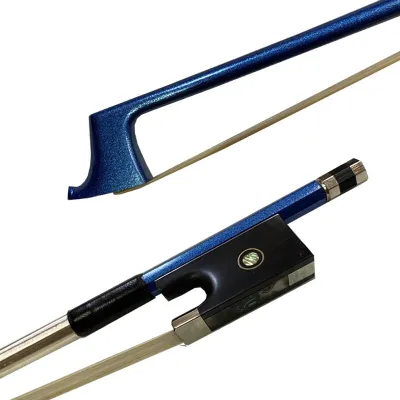
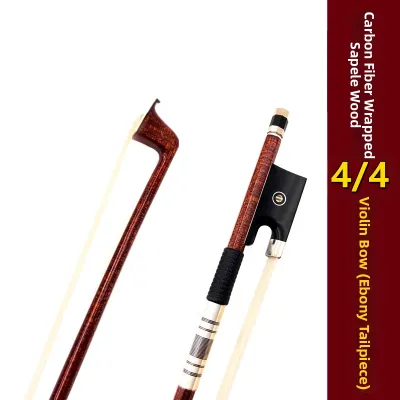


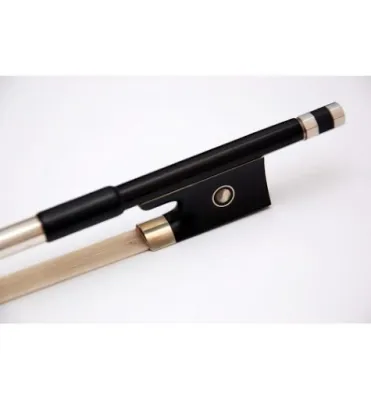
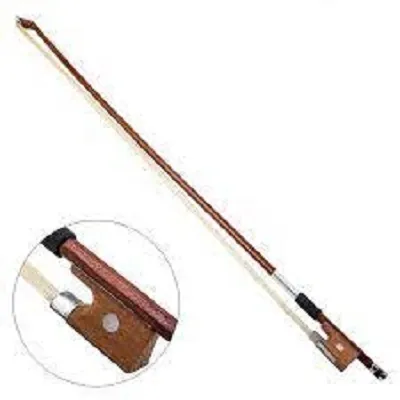
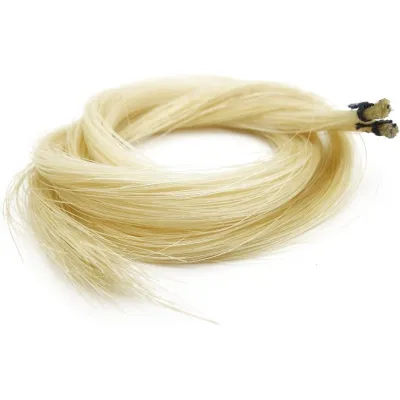
Prices are valid at publication and may change. Please refer to the product page for the latest price.
Essential Tools and Materials for Bow Maintenance
To care for your bow safely, you only need a few specialized, high-quality supplies. Using the wrong materials can cause irreversible damage to both the wood and the hair.

Keep a dedicated, dry microfiber cloth in your violin case solely for wiping down the bow stick. It is best to wash this cloth regularly without fabric softener, as softeners leave chemical residues that can transfer to the bow. For friction, select a high-quality rosin suited to your playing style and climate; lighter rosins are generally harder and less sticky, while dark rosins offer more grip.
Never use household chemical cleaners, window sprays, or abrasive pads on any part of the bow. Alcohol is particularly dangerous; while it is sometimes used by professionals to clean hair, a single stray drop on the wooden stick can instantly dissolve the delicate spirit varnish, permanently ruining the finish and devaluing the bow.
Step-by-Step Violin Bow Maintenance Routine
A reliable maintenance routine integrates seamlessly into your practice and performance schedule. By observing the physical state of your bow before you play, during your practice, and when you pack away, you can address minor issues before they escalate into structural failures.
Before you begin playing, inspect the tension and hair condition. During long practice sessions, pay attention to how the bow grips the strings and whether rosin dust is accumulating on the stick. When you finish, follow a strict sequence of cleaning and tension release before placing the bow back into its protective case.
Applying Rosin Correctly
Rosin provides the necessary friction to make the violin strings vibrate, but applying it incorrectly can ruin your tone and damage the bow. You can tell your bow needs rosin if the hair slips silently across the strings or if the sound becomes whispery and thin. Conversely, a powdery cloud rising from the strings or a harsh, scratchy tone indicates that you have applied too much.
To apply rosin evenly, hold the rosin cake in one hand and the bow in the other. Start at the frog and glide the hair smoothly along the rosin to the tip, using gentle, consistent pressure. Avoid scrubbing the hair back and forth rapidly, as this friction generates heat that can melt the rosin and cause it to clump. A few full-length strokes are usually sufficient for a daily touch-up.
Cleaning the Bow Stick and Hair
Every time you play, fine rosin dust settles on the bow stick and the violin body. If left untreated, this dust absorbs moisture from the air and fuses with the wood’s varnish, creating a hard, unsightly crust that is incredibly difficult to remove without damaging the finish.
After every playing session, use your dry microfiber cloth to gently wipe down the entire length of the wooden stick, paying close attention to the area near the frog and the underside of the stick directly above the hair. Never let the cloth touch the hair itself, as this can transfer skin oils and dirt. If you notice a heavy buildup of grime or suspect the varnish is degrading, stop immediately and take the bow to a professional luthier rather than attempting to scrape or chemically clean the wood yourself.
Loosening the Hair Tension After Playing
The wooden stick of a violin bow is crafted with a precise, deliberate inward curve known as the camber. When you tighten the bow for playing, you put the wood under significant tension to pull the hair taut. Leaving the bow under tension when not in use is one of the most common causes of permanent damage.
Over time, constant tension causes the wood to lose its camber, rendering the bow limp and unresponsive. It can also cause the stick to warp to one side. To prevent this, always turn the tension screw counterclockwise after playing until the hair relaxes and almost touches the stick. The hair should be loose but not dangling in a messy tangle. Additionally, never touch the bow hair with your bare fingers; the natural oils on your skin will coat the hair, preventing rosin from adhering and leaving slick spots that cannot grip the strings.
Proper Storage and Environmental Protection
Where and how you store your bow plays a critical role in its longevity, especially when dealing with challenging environmental conditions. Always secure the bow in a hard-shell violin case equipped with reliable bow spinners or clips. Ensure the frog is fully seated in its slot and the tip is securely cradled to prevent the bow from shifting and knocking against the violin during transport.
In Singapore, the tropical climate presents severe challenges for string instruments. High ambient humidity can cause the wooden stick to swell and the horsehair to stretch significantly, sometimes making it impossible to tighten the bow to playing tension. Conversely, moving frequently between hot, humid outdoor air and dry, air-conditioned rooms causes rapid expansion and contraction, which can split the wood or loosen the glue joints. While carbon fiber bows are more structurally stable under these conditions, their hair and mechanical components are still highly vulnerable to humidity.
To mitigate these risks, monitor the humidity levels inside your case. You can use specialized humidity control packets or silica gel inserts to absorb excess moisture in humid conditions. Avoid leaving your instrument case in direct sunlight, near air conditioning vents, or inside a hot car, as extreme temperature spikes can warp the stick or melt the delicate adhesives holding the tip plate and frog in place.
When to Seek Professional Help: Rehairing and Repairs
While daily cleaning and tension management are your responsibility, structural repairs and rehairing must be left to a professional luthier. Attempting complex DIY repairs on a bow can easily result in irreversible damage to its balance and value.
You should take your bow to a luthier for rehairing when you observe significant hair loss, particularly on one side of the ribbon, which can pull the stick unevenly and cause warping. Other signs include hair that has stretched so much that the screw can no longer tighten it, or hair that remains slick and fails to grip the strings even after applying fresh rosin.
Structural red flags require immediate professional attention. If the tension screw becomes difficult to turn, if the frog wobbles or slips, or if you notice cracks in the wood or the delicate ivory or bone tip plate, stop using the bow immediately. A luthier can safely rehair the bow, replace worn eyelets, repair cracks, and restore the stick’s original camber, ensuring your bow remains a reliable partner for years to come.
Frequently Asked Questions (FAQ)
How often should I rehair my violin bow?
The frequency of rehairing depends primarily on how many hours you play and your local climate rather than a strict calendar schedule. Active players who practice several hours a day typically require a rehair once or twice a year. You should also consider a rehair if you notice the hair has lost its natural scales (making it smooth and unable to hold rosin), if many hairs have broken, or if seasonal humidity changes have stretched the hair beyond its usable range.
Can I use a hair comb to clean my violin bow hair?
No, you should never use a standard hair comb to clean or straighten your bow hair. The teeth of a household comb are too coarse and rigid, which can easily snag, stretch, or snap the delicate horsehairs. Combing can also disrupt the flat, even ribbon alignment carefully set by the luthier at the frog and tip. If your bow hair is tangled or dirty, it is safest to have it professionally cleaned or rehaired by a luthier.
Community discussion
Share your experience or ask a question. Comments are reviewed before publication.