
Positioning a drum music stand in a compact practice space requires balancing clear visibility with physical clearance. To read sheet music, charts, or digital tablets comfortably without restricting your drumming, you must place the stand outside the physical sweep of your drumsticks and the footprint of your pedals. The ideal setup utilizes vertical space and existing hardware mounts to keep the floor clear, ensuring your metronome, tuner, and sheet music remain readable and secure during high-energy practice sessions. By carefully mapping your playing zone and choosing the right mounting style, you can maintain proper posture and focus entirely on your performance.
Assess Your Drum Kit and Practice Space
Before placing any new accessory in a tight practice room, you must define the physical boundaries of your active playing area. Drumming requires a wide range of motion, meaning your strike zone extends far beyond the static edges of your drums and cymbals. Begin by sitting at your throne and executing a series of full-extension strokes. Pay close attention to the path of your drumsticks during dramatic movements, such as high tom fills, rimshots, and wide cymbal crashes. These paths represent absolute no-go zones for any stand or tray, as a stray stick hitting a metal stand can damage your gear or break a stick.
Next, look down at the floor to evaluate your pedal movement areas and hardware footprints. In a compact room, floor space is at a premium. The legs of your snare stand, hi-hat stand, cymbal stands, and bass drum pedals create a complex web of metal on the floor. You must identify the open pockets of floor space where a stand base could realistically sit without overlapping with your feet or blocking pedal travel.
Products mentioned in this guide
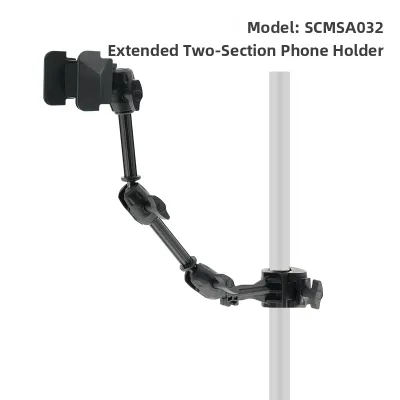
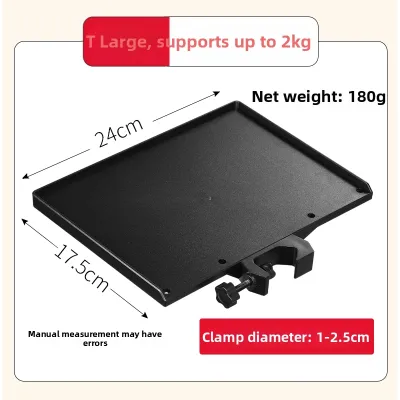
Prices are valid at publication and may change. Please refer to the product page for the latest price.
Finally, analyze your natural sightlines from your seated position. Your head should remain relatively neutral while playing to prevent neck strain. Note where your eyes naturally drift when you look toward your hi-hat, snare, or high toms. Placing your music stand along these existing visual paths ensures you can read your charts with a quick glance.
Choose the Right Drum Music Stand Type for Compact Areas
Selecting the right drum music stand involves choosing between a traditional freestanding tripod stand and a hardware-mounted clamp system. Traditional freestanding tripod stands offer excellent portability and can be moved around the kit easily. However, their wide base spread can be incredibly difficult to position within a crowded drum setup, especially when you are already fighting for floor space against cymbal legs and pedal plates. If you choose a freestanding stand, look for models with flat-leg bases that can slide underneath other hardware legs, or heavy-duty compact bases that provide stability without requiring a massive footprint.

For extremely tight spaces, clamp-on stands or boom-arm attachments are often the superior choice. These systems clamp directly onto your existing cymbal stands, hi-hat stand, or drum rack, completely eliminating the need for an extra set of legs on the floor. By utilizing your existing heavy-duty hardware as an anchor, you save valuable floor space and can position the music tray precisely where you need it. When evaluating these clamp-on options, check the weight capacity of both the clamp and the host stand to ensure the setup remains stable.
Regardless of the style you choose, pay close attention to the adjustability range of the tray, arms, and tension knobs. A good drum music stand must allow you to adjust the height, tilt, and horizontal extension independently. Look for robust, easy-to-grip tension knobs that lock securely into place. Ensure the tray itself is large enough to hold your materials but compact enough not to block your view of the rest of your kit.
Position the Stand for Visibility and Stick Clearance
Once you have selected your stand, the next step is finding the perfect physical placement. Start by adjusting the height of the music tray so it sits comfortably above your snare drum and rack toms, but remains below or to the side of your cymbals and hi-hats. A common mistake is placing the stand too low, which forces you to look down and slouch, or placing it too high, where it blocks your view. The bottom of the tray should clear the highest point of your drum rims by at least a few inches, allowing your hands to move freely during cross-sticking or rapid tom rolls.
Next, tilt the tray to match your natural downward gaze. When seated with proper posture, your eyes should meet the center of the sheet music at a perpendicular angle. This angle reduces glare from overhead lights and prevents you from having to crane your neck forward. If you are using a digital tablet, tilting the screen correctly is also crucial for avoiding reflections and ensuring the touch screen remains responsive to quick page turns.
To guarantee adequate clearance, simulate your playing motions before tightening the stand’s adjustment clamps. Hold your drumsticks and play a slow, exaggerated roll across all your drums and cymbals. Watch the tips and shafts of your sticks as they move near the stand. If your sticks come within three to four inches of the tray or the mounting arm, slide the stand slightly further back or adjust its angle. Remember to account for the physical sway of your cymbals; a heavy crash cymbal can wobble significantly when struck, so ensure the music stand is positioned well outside this movement radius.
Arrange Tuners and Metronomes Safely
Electronic accessories like metronomes, drum tuners, and smartphones are essential tools for practice, but they require careful placement to remain safe and functional. Placing these devices loose on the main music tray alongside your sheet music is highly discouraged. The vibrations generated by playing your drums can easily cause lightweight plastic devices to slide off the tray and fall to the floor, potentially causing costly damage. Instead, utilize dedicated accessory trays that clamp onto your music stand pole or a nearby cymbal stand. These trays often feature raised edges and non-slip surfaces to keep your gear secure.
When positioning your metronome or tuner, place it in a secondary visual zone that is easy to see but completely out of your primary stick trajectory. For example, mounting a metronome just to the left of your hi-hat stand or directly below your music tray keeps the visual tempo indicator or tuning display within your peripheral vision. Keep these devices away from high-vibration hardware, such as the bass drum hoop or directly clamped to a heavily struck crash cymbal stand, as excessive vibration can interfere with the internal sensors of tuners and make metronome screens difficult to read.
Cable management is another critical factor in a small practice space. If your metronome, tuner, or tablet requires power cables or headphone lines, route them carefully along the stand’s shafts. Use hook-and-loop cable ties or plastic clips to secure the cords tightly against the metal tubing. Loose, dangling cables present a serious hazard; they can easily catch on a moving drumstick, get stepped on by your foot pedals, or trip you when you step away from the kit. Ensure there is enough slack in the cables to allow for stand adjustments, but keep them neat and close to the hardware.
Test and Fine-Tune Your Setup
With everything positioned and secured, you must conduct a thorough physical test of the entire setup before starting a serious practice session. Sit at your drum kit and play at your maximum performance volume and intensity. Often, subtle clearance issues only become apparent when you are playing dynamically. Perform fast drum fills, sudden rimshots, and dramatic cymbal crashes to verify that your hands and sticks have complete freedom of movement. If you feel any hesitation or find yourself subconsciously altering your stroke to avoid hitting the stand, stop and adjust the placement immediately.
Do not forget to test your lower body movements as well. Play a series of rapid double-kick patterns or heavy hi-hat splashes to ensure the base of your music stand does not wobble, slide, or interfere with your feet. The vibrations from your bass drum and pedals can travel through the floor and cause poorly secured stands to drift over time. If you notice the stand creeping closer to your kit, consider placing a non-slip drum rug underneath your entire setup to lock the stand legs and pedals in place.
Finally, evaluate your visual comfort over a few minutes of continuous playing. Check if you can read the bottom lines of your sheet music as easily as the top lines, and verify that your metronome’s flashing tempo light is visible without being distracting. Make incremental, small adjustments to the tray’s height, tilt, or lateral position until the setup feels completely natural.
Frequently Asked Questions (FAQ)
Can I use a standard orchestral music stand for a drum kit?
While a standard orchestral music stand can hold sheet music, it is generally not ideal for a drum kit, especially in a small practice space. Standard orchestral stands typically feature wide, heavy tripod bases or solid metal legs designed for stability on flat stage floors. In a compact drum setup, these wide bases often conflict with your pedal boards, hi-hat legs, and cymbal stands, making it difficult to bring the sheet music close enough to read. Furthermore, lightweight orchestral stands may not handle the intense, continuous vibrations generated by acoustic drumming. Over time, these vibrations can cause the stand’s tension screws to loosen, leading to the tray slowly sinking or tilting mid-song. If you must use one, verify its weight capacity and base footprint first.
How do I keep sheet music from falling off the stand while playing?
Keeping sheet music secure on a tilted tray during an energetic drumming session requires a few simple accessories. The vibrations from striking your drums can easily cause loose papers or lightweight books to slide off the stand. To prevent this, look for a drum music stand equipped with built-in wire page retainers or spring-loaded clips that hold the pages flat against the tray. Alternatively, you can use heavy-duty binder clips or clear plastic music clips to secure your charts. If you frequently practice from thick method books, ensure the tray’s bottom lip is deep enough to support the book’s spine. Placing a thin, non-slip silicone mat on the tray surface can also provide extra grip, preventing books from sliding even at steep viewing angles.
Community discussion
Share your experience or ask a question. Comments are reviewed before publication.