
A cello bow is a delicate, highly engineered tool that directly translates your physical movement into acoustic sound. Proper maintenance is not just about keeping the bow clean; it is a fundamental practice that preserves the structural integrity of the wood, the elasticity of the hair, and the responsiveness of the entire instrument. By establishing a consistent daily and periodic care routine, you can prevent costly repairs and ensure your bow performs reliably during every practice session and performance.
Caring for a bow requires understanding how its organic components—typically pernambuco or carbon fibre for the stick, ebony for the frog, and natural horsehair—react to physical use and environmental conditions. Neglecting basic care can lead to warped wood, stretched hair, and stripped mechanical parts. Fortunately, keeping your bow in excellent playing condition is straightforward when you use the correct tools and develop mindful habits.
Essential Tools and Materials for Bow Maintenance
To care for your bow safely, you only need a few specialized, non-abrasive supplies. Using the wrong materials can scratch the delicate varnish of the wooden stick or leave residues that ruin the bow hair.
Products mentioned in this guide
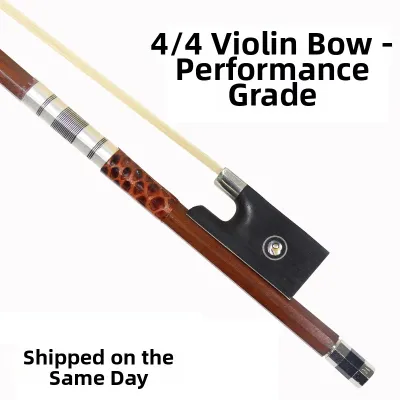
Prices are valid at publication and may change. Please refer to the product page for the latest price.
First, select a lint-free microfiber or soft cotton cloth dedicated solely to wiping away rosin dust. It is best to keep this cloth separate from the one you use to clean your cello’s body, as a cloth saturated with rosin can accidentally transfer sticky residue back onto the wood. Avoid using paper towels or rough fabrics, which can cause micro-scratches over time.
Second, choose a high-quality cello rosin that matches your playing style, string type, and local climate. Cello strings require a slightly softer, stickier rosin than violin strings to draw out a full tone. In warm, humid environments like Singapore, players often need to select a rosin formulation that remains stable and does not become overly gummy or slick under high moisture conditions.
Finally, if your bow stick accumulates stubborn dirt or oils, identify safe, alcohol-free cleaning products specifically formulated for string instrument wood. Never use household furniture polishes or general wood cleaners, as these often contain silicones or harsh chemicals that can permanently damage the bow’s delicate finish.
Daily Care Routine: Wiping and Rosin Management
A consistent post-playing routine is the most effective way to extend the lifespan of your bow. Developing these habits takes only a minute after each session but saves significant wear and tear over time.

Begin by gently wiping down the wooden stick and the ebony frog with your dedicated microfiber cloth after every use. Pay close attention to the area near the frog and the middle of the stick where rosin dust tends to settle. When cleaning, always maintain the strict rule of never touching the bow hair with your bare fingers; the natural oils and sweat from your skin will coat the hair, preventing rosin from adhering and creating slick spots that ruin the bow’s grip.
Next, address the rosin dust that has settled on your cello. Use a separate cloth to wipe down the strings and the instrument’s top plate, particularly the area directly under the fingerboard and near the bridge. If left unchecked, accumulated rosin dust can fuse with the cello’s varnish over time, creating a hard crust that is difficult to remove and can dampen the instrument’s natural acoustic vibrations.
The most critical step in your daily routine is loosening the bow hair before placing it back in its case. Turn the tension screw counterclockwise until the hair relaxes and almost touches the wooden stick. Leaving the bow under tension when not in use puts continuous stress on the wood, which will eventually cause the stick to lose its natural curve, warp to one side, or lose its essential springiness.
Periodic Maintenance: Hair Care and Tension Checks
In addition to daily wiping, your bow requires regular inspections to monitor the condition of the hair, the mechanical parts, and your rosin application habits.
Periodically inspect the bow hair for signs of wear, uneven stretching, or dirt accumulation. Over months of playing, the microscopic scales on the horsehair that grip the strings will naturally wear down, resulting in a loss of traction. If you find yourself constantly applying more rosin or pressing harder to get a clear sound, or if the hair near the frog has turned dark from accidental finger contact, the hair has likely reached the end of its useful life.
Next, check the mechanical operation of the tension screw and the brass eyelet inside the frog. When you turn the screw to tighten the hair, the movement should feel smooth and consistent. If you feel sudden resistance, grinding, or if the screw slips, stop immediately and do not force it. Forcing a tight screw can easily strip the threads of the brass eyelet or crack the wooden button at the end of the stick.
Finally, refine your rosin application based on your playing frequency and environmental conditions. Over-rosining is a common mistake that leads to a scratchy, harsh tone and excessive dust buildup on your instrument. Apply rosin evenly from the frog to the tip using slow, deliberate strokes, and remember that a few light passes every few playing hours are generally sufficient to maintain a reliable grip.
Proper Storage and Environmental Protection
How you store your bow when you are not playing is just as important as how you handle it during practice. Physical impacts and environmental fluctuations are major sources of preventable bow damage.
Always store your bow securely inside a hard cello case equipped with dedicated bow holders. Ensure the bow is properly latched or fastened so it cannot fall loose inside the case and strike the cello’s body. Never place the bow loose in the case or allow it to press against the cello’s bridge, tailpiece, or strings, as this can crush the delicate tip of the bow or damage the instrument.
Environmental control is vital because wood and horsehair are highly sensitive to temperature and humidity. In tropical climates like Singapore, high humidity can cause the bow hair to stretch and sag, while sudden dry spells—such as moving into an air-conditioned concert hall—can cause the hair to shrink rapidly. If the hair shrinks while the bow is under tension, it can exert immense force on the stick, potentially snapping the delicate head. Keep your case closed when not in use, and avoid leaving your instrument case in direct sunlight or inside a hot car.
Additionally, never leave your bow resting on a music stand, balanced across the cello, or leaning against a wall. These positions make the bow highly vulnerable to accidental drops, being stepped on, or falling over. A single fall can easily snap the head of a wooden bow, a type of damage that is incredibly difficult and expensive to repair.
When to Stop and Seek Professional Help
While daily cleaning and careful storage are excellent DIY practices, certain structural issues must be handled exclusively by a professional luthier or bow maker. Attempting complex repairs at home often leads to irreversible damage.
Learn to recognize the warning signs of structural trouble, such as a warped stick that curves to one side when tightened, a loose or wobbling frog, or visible hairline cracks in the wood. If you detect any of these issues, do not attempt to straighten the wood using heat or repair cracks with household adhesives. Standard glues do not hold under the immense tension of a playing bow and can ruin the wood, making a professional repair impossible.
It is also important to understand that bow rehairing is a highly specialized craft. It requires carving precise wooden wedges, tying secure knots at specific lengths, and ensuring even tension across every single strand of hair. Attempting to rehair a bow yourself without these specialized skills can easily warp the stick or damage the delicate mortises in the head and frog.
If you encounter any mechanical resistance, notice a crack, or suspect the wood has warped, immediately detension the bow completely. Place it safely in its case and consult a qualified professional luthier to assess the damage and perform the necessary repairs safely.
Frequently Asked Questions (FAQ)
How often should I rehair my cello bow?
There is no fixed calendar schedule for rehairing, as it depends heavily on your playing hours, bowing style, and local climate. Frequent players or professionals may need a rehair every six months, while casual players might only require it once a year. Look for physical indicators such as a loss of grip, hair that has stretched so much that the screw can no longer tighten it, or dark, dirty buildup near the frog that cannot be wiped away.
Can I use rubbing alcohol to clean heavy rosin buildup on the stick?
No, you should never use rubbing alcohol or commercial solvents to clean rosin buildup on your bow stick. Alcohol easily dissolves the delicate French polish or spirit varnish used to protect the wood, which will strip the finish and expose the raw wood to moisture and dirt. If your bow has accumulated a heavy layer of crusty rosin, rely on a dry microfiber cloth for daily maintenance and take the bow to a professional luthier for a safe, deep cleaning.
Community discussion
Share your experience or ask a question. Comments are reviewed before publication.