
Packing a violin safely requires a systematic routine that isolates the delicate wooden body from moving parts, relieves mechanical tension, and secures the instrument against shifting during transit. A violin is highly sensitive to physical impact, pressure, and environmental shifts. By establishing a consistent packing sequence, you protect the bridge, scroll, and varnish from costly structural damage.
Preparing the Violin and Accessories for Safe Storage
Before placing your violin into its case, you must prepare both the instrument and its accessories to prevent friction, pressure, or chemical damage during transport. This preparation phase is crucial because loose items or high tension can cause immediate harm if the case experiences a sudden bump.
The first step is to completely loosen the bow hair. When you play, the bow hair is tensioned to create resistance against the strings. Leaving this tension active when the bow is stored places continuous stress on the wooden stick, which can lead to warping, loss of camber, or even snapping at the head. Turn the tension screw counterclockwise until the hair is completely relaxed and almost touches the stick, ensuring there is no residual pull.
Products mentioned in this guide
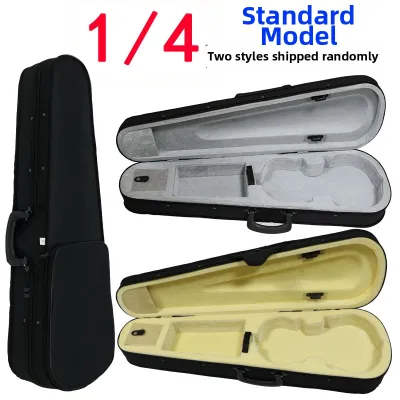

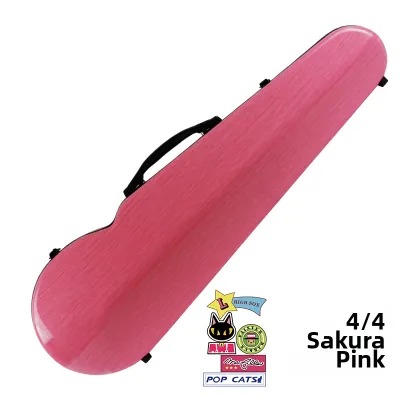

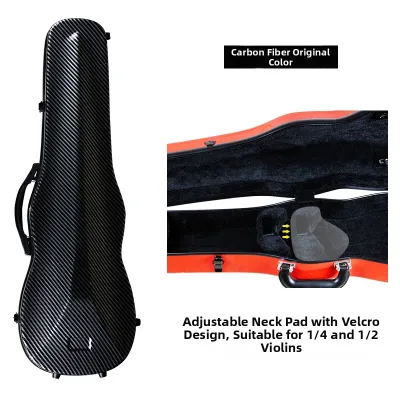
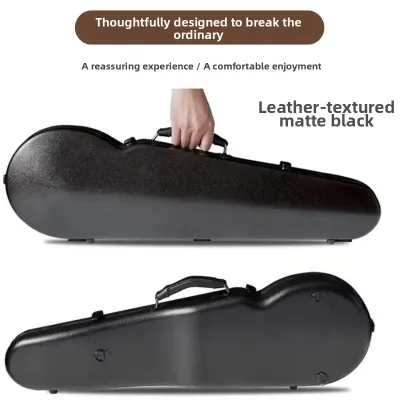
![[Flourishroly5] 4/4 Violin Case Hard Shell Handbag Practical Musical Supplies Storage Container Portable Violin Storage Hard Box for BeginnerFast shipping](https://img.lazcdn.com/g/p/1ea28b8e18ad16db52d3a7d9a5406ef5.jpg_400x400q80.jpg_.webp)
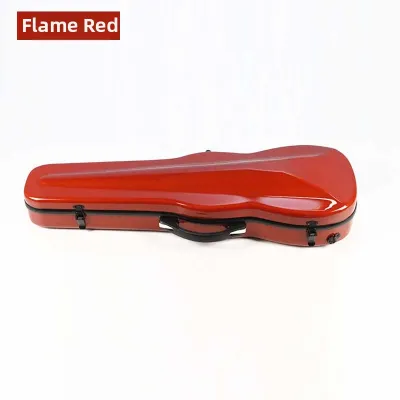
Prices are valid at publication and may change. Please refer to the product page for the latest price.
Next, address the accumulation of rosin dust. Every time you play, fine rosin particles shed from the bow and settle on the strings, fingerboard, and the top plate of the violin. If left on the instrument, this dust can fuse with the delicate varnish over time, especially in warm or humid environments, creating a sticky, unsightly crust that is difficult to remove without damaging the finish. Use a soft, dry, lint-free microfiber cloth to gently wipe down the strings, fingerboard, and the entire top plate after every session.
You must also remove any temporary accessories that are not permanently fixed to the instrument. This includes the shoulder rest and certain types of heavy practice mutes. Unless your case features a dedicated, molded compartment specifically designed to hold an attached shoulder rest, leaving it on the violin will prevent the instrument from sitting flat in its contour. This misalignment can cause the case lid to press directly down on the bridge or top plate when closed, risking a cracked top or a collapsed bridge.
Finally, perform a quick visual inspection of the bridge. The bridge is not glued to the top plate; it is held in place solely by the downward tension of the strings. Over time, tuning the strings can pull the top of the bridge forward toward the fingerboard. Ensure the back of the bridge—the side facing the tailpiece—is standing perpendicular to the top plate of the violin. If it is tilting, carefully support the bridge with both hands and nudge it back into alignment, or seek assistance from a professional luthier if you are uncomfortable making this adjustment yourself.
Positioning and Securing the Violin Body
Once the instrument is clean and its accessories are detached, you can place the violin body into the case. This step requires precise alignment to ensure that the delicate wooden structure is fully supported and that no single point bears excessive weight or pressure.

Begin by lowering the violin gently into the main body cutout of the case. The back of the violin should rest flat against the padded bottom of the compartment. Align the neck of the violin so it sits squarely within the padded neck cradle. Many modern cases feature a Velcro strap, a leather tie, or a padded cushion at the neck joint. Secure this strap firmly but without squeezing the neck too tightly; its purpose is to prevent the violin from lifting or shifting laterally if the case is tilted or carried vertically.
Pay close attention to the scroll and the pegbox. The scroll should float freely within its designated space at the top of the case. It must not press hard against the bottom, sides, or end of the compartment. If the scroll is touching the case walls, the impact from a drop or bump can travel directly through the neck, potentially causing a clean fracture at the heel or pegbox. If your case is slightly too short, you may need to adjust the padding or consider a case that offers better longitudinal clearance.
Next, verify the clearance above the bridge and strings. The bridge is the highest and most vulnerable point on the violin’s body. When the case lid is closed, there must be sufficient vertical clearance so that the lid does not exert any downward pressure on the bridge. You can check this by gently lowering the lid and feeling for any resistance before the latches meet. If the lid feels tight or springy before it is fully closed, an accessory or thick padding may be pushing against the bridge.
To complete the positioning, ensure that any protective blanket or silk bag is laid smoothly over the top of the instrument. A violin blanket provides an extra layer of defense against the bow spinners or any loose items that might contact the top plate. Make sure the blanket is flat and does not bunch up over the bridge, which could create an artificial pressure point when the lid is secured.
Storing the Bow and Loose Accessories Safely
A secure violin body is only half the battle; loose bows and accessories inside a case pose a significant threat to the instrument’s varnish and structural integrity. Proper storage of these items prevents them from colliding with the violin during transit.
Bows must be stored in their designated holders on the inside of the case lid. Slide the tip of the bow carefully into the pocket or slot at the pointed end of the lid, then swing the frog end into the spinner or latch mechanism. Turn the spinner to lock the bow securely in place. Ensure the bow stick is straight and not subjected to lateral bending or twisting when locked. If your case holds multiple bows, make sure they are all locked down and that their frogs do not rub against each other or touch the violin body when the case is closed.
Accessories like the shoulder rest, rosin, and mutes must never be left loose in the main compartment with the violin. If your case has a zippered accessory pocket or a dedicated compartment with a secure lid, place these items inside. Rosin should remain in its protective box or wrap to prevent it from shattering or melting onto other surfaces. If your shoulder rest does not fit inside the internal accessory pocket, store it in an external pocket of the case cover or carry it in a separate bag. Leaving a heavy metal practice mute or a hard plastic shoulder rest loose next to the violin’s ribs will almost certainly result in deep scratches or cracks during transport.
Spare strings, tuning peg compound, and small adjustment tools should also be kept in the accessory compartments. Avoid placing spare string packets directly under the violin body or on top of the fingerboard, as the stiff paper or metal packaging can scratch the wood. Keep the accessory compartment lid closed and latched; a loose lid can swing open during travel, spilling hard objects directly onto the violin’s face.
Finally, resist the temptation to overstuff your violin case. While it may seem convenient to pack extra cleaning cloths, metronomes, pencils, or personal items inside the main compartment, doing so increases the risk of internal pressure. The interior of a violin case is engineered with precise tolerances to protect a highly fragile instrument; adding extra bulk compromises this design and can lead to structural damage.
Closing the Case and Transit Safety Checks
The final steps of packing involve securing the case itself and adopting safe handling habits to protect your instrument while on the move. Even a perfectly packed violin can be damaged if the case is not closed correctly or is subjected to harsh environmental conditions.
Before closing the lid, perform a quick sweep of the interior edges. Ensure that no cleaning cloths, shoulder straps, or violin blankets are hanging over the sides of the case. If these materials get caught in the zipper teeth or the metal latches, they can jam the mechanism, tear the fabric, or prevent the case from sealing properly. A poor seal can let in moisture or dust, compromising the protective environment of the case.
Once the lid is lowered, engage all closing mechanisms fully. If your case has zippers, pull them completely closed around the entire perimeter. If it features mechanical latches, snap them shut and engage any safety locks or center clasps. Never rely on just the Velcro flap or a single latch when carrying the case, even for short distances. It is a common and costly mistake to lift a case by its handle when it is only partially zipped, causing the lid to swing open and the violin to fall onto the floor.
When carrying or storing the case, maintain a safe orientation. Most cases are designed to be carried horizontally by the main handle or vertically using a subway strap. When placing the case on the ground, lay it flat on its back rubber feet or stand it securely on its side feet. Avoid placing the case face down, as this puts the weight of the case and any external pressure directly over the bridge area. When traveling in a vehicle, secure the case so it cannot slide, tip over, or fall from a seat during sudden stops.
Environmental control is another critical factor during transit. Wood is highly hygroscopic, meaning it expands and contracts with changes in humidity and temperature. Avoid leaving your violin case in direct sunlight, inside a hot car trunk, or near heating and air conditioning vents. Extreme heat can soften the varnish and cause the wood joints to glue-fail, while rapid temperature drops can cause the wood to crack. If you are transitioning between different environments—such as moving from a hot outdoor climate into an air-conditioned hall—keep the violin inside its closed case for fifteen to thirty minutes to allow it to acclimate slowly to the temperature change.
Frequently Asked Questions (FAQ)
Should I leave the shoulder rest attached when packing the violin?
No, you should not leave the shoulder rest attached to the violin when packing it away. Most standard violin cases do not have enough vertical clearance to accommodate the extra height of an attached shoulder rest. Leaving it on forces the back of the violin upward, which can cause the bridge to press hard against the case lid when closed, leading to cracks in the top plate or a collapsed bridge. Always detach the shoulder rest and store it in its designated accessory compartment or an external pocket.
How can I protect the bridge if my case does not have a bridge cover?
If your case does not have a built-in padded bridge protector on the lid, you can protect the bridge by ensuring there is adequate clearance and using a soft buffer. First, make sure the violin is sitting completely flat in its cradle so the bridge is not elevated. You can then place a soft, thin, lint-free microfiber cloth flat over the strings and fingerboard, extending gently over the bridge without bunching. This cloth acts as a light barrier against dust and minor contact, but it must not be thick enough to create downward pressure when the lid is closed.
Is it safe to store sheet music inside the violin case?
Sheet music should only be stored inside the violin case if the case features a dedicated, flat exterior pocket or an isolated interior sleeve specifically designed for music. Never place loose sheet music, books, or folders directly on top of the violin inside the main compartment. When you close the lid, the thickness of the paper can exert heavy, uneven pressure on the bridge, fingerboard, and pegs, which can warp the setup or crack the delicate top wood of the instrument.
Community discussion
Share your experience or ask a question. Comments are reviewed before publication.