
Replacing a guzheng string is an essential skill for any player. Whether you are dealing with a sudden snap during practice or performing routine maintenance to restore a dull, lifeless tone, learning how to change your strings at home saves time and ensures your instrument is always ready to play. The process requires patience, precision, and a basic understanding of the instrument’s anatomy, but once you master the steps, it becomes a straightforward routine.
Changing a guzheng string involves detuning the old string, carefully removing it, threading the new one through the sound chamber, winding it onto the tuning peg, and carefully positioning the bridge. By following a structured approach, you can complete this maintenance safely without scratching the delicate paulownia wood soundboard or damaging the bridges.
Gather Your Tools: What You Need Before Starting
Before you begin, you must gather the correct equipment to ensure a smooth, uninterrupted process. Having the right tools on hand prevents frustration and protects both you and your instrument from accidental damage.
Products mentioned in this guide
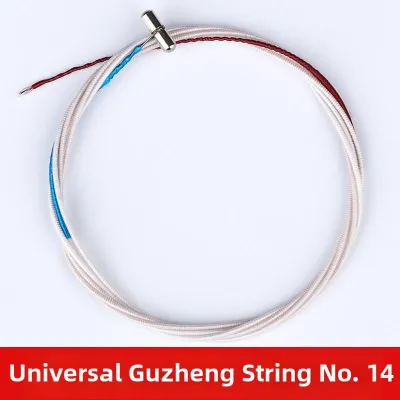





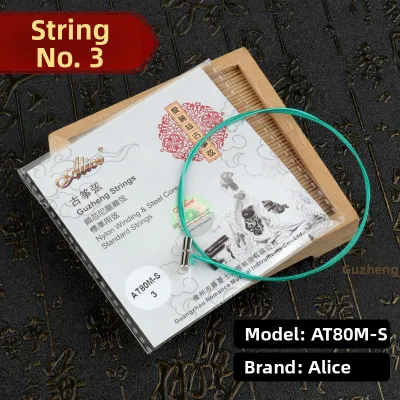
Prices are valid at publication and may change. Please refer to the product page for the latest price.
First, you need a high-quality replacement guzheng string. It is crucial to verify that the replacement string matches the exact number of the string you are replacing. Standard guzhengs have 21 strings, and each string has a specific gauge (thickness) and tension profile designed for its respective pitch. For example, the high-register strings are much thinner and more delicate than the thick, heavily wound bass strings. Most standard strings feature a steel core wound with nylon, though the highest register strings may be plain steel. Check the packaging to confirm the string number, and note that every fifth string is typically color-coded (usually green) to help players navigate the scale.
Next, prepare your essential maintenance tools:
- Tuning wrench: This specialized T-shaped or L-shaped tool fits over the square tuning pegs inside the peg box. Ensure it fits snugly to avoid stripping the metal pegs.
- Wire cutters: You will need these to trim the excess length of the new string once it is wound.
- Soft microfiber cloth: Use a dry, non-abrasive cloth to clean the soundboard and bridge areas that are normally hard to reach.
- Bridge position guide: Many instruments come with a paper template or a chart indicating the correct measurements for bridge placement.
Finally, prioritize personal safety by wearing protective eyewear. Guzheng strings are under immense tension, and a sudden snap during the removal or tuning process can cause the wire to whip outward, posing a serious risk of eye injury. Always consult your instrument manufacturer’s instructions for any specific tool recommendations or structural warnings.
Step 1: Safely Detune and Remove the Old Strings
The first active step in replacing a guzheng string is releasing the tension of the old string safely. Never attempt to cut or pull a string that is still under full tension, as the sudden release of of force can crack the soundboard, damage the bridge, or cause the string to snap violently toward your hands or face.

To begin, open the right-side compartment cover to expose the tuning pegs. Fit your tuning wrench securely onto the peg corresponding to the string you wish to replace. Turn the wrench slowly counter-clockwise (or in the direction that loosens the string) to gradually lower the pitch and release the tension. As you turn, pluck the string occasionally to hear the pitch drop, ensuring you are turning the correct peg and that the tension is indeed releasing.
Once the string is completely slack and loose, gently lift the corresponding bridge (yanzhu) from beneath the string. Place the bridge aside in a safe, organized manner. It is highly recommended to keep your bridges in their exact original order and orientation. Each bridge is custom-fitted to its specific spot on the soundboard, and swapping them can lead to buzzing noises, poor intonation, or unstable seating.
With the bridge removed, proceed to unhook the string. In the right-side compartment, unhook the looped end of the string from the anchor pin. Then, move to the left side of the instrument and carefully pull the string out of the tuning peg hole. If the string is bent or crimped, feed it through slowly to avoid scratching the wood or the decorative holes.
Before installing the new string, take advantage of the open space on the soundboard. Use your dry, soft microfiber cloth to gently wipe away accumulated dust, sweat, and rosin residue from the soundboard and around the bridge area. Avoid using wet cloths or liquid cleaners, as moisture can warp the unvarnished paulownia wood and degrade the acoustic properties of the instrument.
Step 2: Thread, Anchor, and Wind the New Strings
Installing the new guzheng string requires careful routing to ensure it vibrates freely and maintains stable tension over time. Proper winding technique is essential to prevent the string from slipping or unraveling during play.
Start by threading the new string. Feed the straight (non-looped) end of the string from the back of the instrument, through the corresponding hole in the right-side string anchor plate, and up through the soundboard hole. Pull the string through until the metal ring or loop at the opposite end sits snugly and flush against the anchor plate inside the right compartment. Double-check that the loop is securely anchored and cannot slip out when tension is applied.
Next, route the string across the soundboard. Lay it over the front mountain (the fixed wooden ridge on the right) and thread the straight end through the corresponding hole in the left-side tuning peg. Pull the string through the peg hole until it is relatively straight, but do not pull it completely taut.
To ensure the string winds correctly, you must leave a specific amount of slack before you begin turning the peg. A reliable rule of thumb is to pull the string straight, then lift it about three to four fingers high off the soundboard near the middle of the instrument. This amount of slack provides enough length to create approximately three to four neat wraps around the tuning peg, which is the optimal amount to prevent slippage without overcrowding the peg.
Now, begin winding the string. Place your tuning wrench on the peg and turn it clockwise (or in the tightening direction). Use your free hand to guide the string, keeping it under light tension as it wraps around the peg. Ensure the coils wind neatly side-by-side without overlapping. Overlapping coils can pinch the string, causing it to snap prematurely, and will lead to frequent tuning instability. As the string tightens, guide it so that it sits securely in the corresponding groove of the left-side nut (the fixed string guide).
Step 3: Reposition the Bridges and Tune to Pitch
Once the new string is securely wound and has slight tension, you can reinstall the bridge and bring the string up to its correct musical pitch. This step requires a gentle hand and careful monitoring to avoid over-tightening.
Locate the correct bridge for the string you are replacing. Slide the bridge under the slack string and stand it upright on the soundboard. Place it at the approximate correct position, using the adjacent bridges as a visual guide to maintain the natural diagonal curve of the bridge layout. If you have a manufacturer’s bridge position chart, use a ruler to measure the exact distance from the right mountain to the bridge. Ensure the string rests directly in the small groove or notch on top of the bridge.
With the bridge in place, fit your tuning wrench onto the peg. Begin turning the wrench slowly to increase the tension. As you tighten the string, pluck it gently with your other hand to monitor the rising pitch. Plucking while tuning is critical because it helps distribute the tension evenly across both sides of the bridge and prevents the string from binding in the bridge notch.
To preserve the life of your new guzheng string, always tune slightly flat first, then slowly approach the target pitch from below. Never rush this process or turn the wrench too quickly. If you overshoot the target pitch, the sudden high tension can easily snap a fresh string. If you do go sharp, loosen the string slightly below the target pitch and tune upward again.
Finally, inspect the alignment. Verify that the string is perfectly aligned and properly seated in the right-side anchor groove, the notch on top of the bridge, and the left-side nut groove. If the string is misaligned, loosen the tension slightly, adjust the position, and retune.
Step 4: Stretch the Strings and Stabilize the Tuning
It is entirely normal for a newly installed guzheng string to go out of tune almost immediately. This behavior is not a sign of a defective string or a damaged instrument; rather, it is a natural physical response as the materials stretch and settle under tension.
When a new string is tuned to pitch, both the inner steel core and the outer nylon winding begin to stretch. Additionally, the mechanical components—such as the loop at the anchor pin, the wraps around the tuning peg, and the seating on the bridge—all settle into place under the immense physical force. To accelerate this settling process and achieve tuning stability faster, you can perform manual stretching.
To stretch the string manually, gently press down on the string on both sides of the bridge, or lift the string slightly upward from the soundboard by a few centimeters. Apply moderate, even pressure along the length of the string, being careful not to pull so hard that you displace the bridge or snap the wire. This action helps distribute the tension evenly across the bridge and forces the coils on the tuning peg to tighten and lock into place.
Immediately after stretching the string, you will notice that the pitch has dropped significantly. Place your tuning wrench back on the peg and tune the string back up to its target pitch. Repeat this stretching and retuning cycle three to four times.
Keep in mind that different strings have different settling times. Plain steel strings (typically strings 1 to 5 in the high register) have less material to stretch and will stabilize relatively quickly, often within a few hours. In contrast, the thicker, nylon-wound strings in the middle and lower registers contain more material and will require frequent micro-adjustments over the first 48 to 72 hours of playing before they hold their pitch consistently.
Troubleshooting Slipping, Buzzing, and Breaking Strings
Even with careful installation, you may encounter a few common issues during or after replacing your guzheng strings. Fortunately, most of these problems can be resolved with quick adjustments.
Slipping at the peg: If the tuning peg slips back and loses tension the moment you release the wrench, the issue is usually related to how the string was wound. Ensure that the coils are wound tightly and neatly against each other without overlapping. If the winding is correct but the peg still slips, try pushing the tuning peg firmly inward toward the wooden peg box while turning the wrench. This increases the friction between the peg and the wooden socket, helping it hold its position.
Buzzing sounds: A persistent buzzing sound when plucking the new string usually indicates a seating issue. First, check if the string is fully seated in the left-side nut groove and the notch on top of the bridge. If the bridge itself is not sitting perfectly flat on the soundboard, or if the soundboard surface is slightly uneven, the bridge may vibrate against the wood. Try shifting the bridge slightly to find a flatter spot, or check if the plastic or bone insert on top of the bridge is loose or worn.
String breaking during tuning: If a string snaps while you are bringing it up to pitch, check the contact points for sharp edges. Inspect the hole in the tuning peg and the right-side anchor plate for any metal burrs or sharp corners that could cut into the string core. If you find a sharp edge, you can smooth it gently with a small piece of fine-grit sandpaper. Always remember to tune slowly and avoid exceeding the recommended pitch for that specific string number.
Frequently Asked Questions (FAQ)
How often should I replace my guzheng strings?
You should replace a guzheng string immediately if you observe physical signs of degradation, such as visible rust on the metal core, fraying of the nylon wrapping, or deep grooves worn into the string at the bridge contact point. Auditory signs include a dull, muddy, or lifeless tone that lacks sustain and resonance. For casual players who practice occasionally, changing strings as they break or show clear wear (typically every 1 to 2 years) is common. However, frequent performers, teachers, or serious students should proactively replace their entire string set annually or bi-annually to maintain optimal tonal quality and projection.
Why do my new strings keep going out of tune?
New strings keep going out of tune because of the natural physical properties of the materials and the mechanical settling of the instrument. The steel core and nylon winding stretch under tension, while the string loops, peg wraps, and bridge contact points compress and settle. This is a temporary phase that affects all stringed instruments. By performing manual stretching, playing regularly, and patiently retuning the instrument over the first 48 to 72 hours, the strings will reach their stable state and begin holding their pitch reliably.
Community discussion
Share your experience or ask a question. Comments are reviewed before publication.