
Navigating a highly competitive and rapidly evolving job market requires a strategic, deliberate approach to professional development. In a dynamic business hub where industries shift rapidly, professionals must continuously upgrade their skillsets to remain competitive and relevant. Rather than passively consuming every trending bestseller or relying on a universal recommended list, building a personalized reading strategy tailored to your specific career stage, industry demands, and local workplace dynamics is essential. Selecting the right books involves looking beyond superficial advice to find structured, actionable frameworks that can be directly applied to your daily work. By treating your reading list as a targeted investment in your professional capabilities, you can systematically acquire the precise tools needed to navigate career transitions, improve communication, and accelerate your professional growth.
Key Criteria for Evaluating Career Self-Help Books
To ensure a book is worth your valuable time and financial investment, establish a rigorous evaluation process before making a purchase. Start by analyzing the balance between actionable frameworks and purely theoretical concepts. A high-quality career book should offer concrete methodologies, templates, or step-by-step exercises rather than vague motivational anecdotes or repetitive success stories. Look for chapters that outline specific workflows, decision-making models, or diagnostic checklists that you can immediately test in your current role to measure their practical utility.
Next, verify the author’s professional background, industry experience, and relevant qualifications. Authors who have successfully navigated corporate leadership, managed cross-functional teams, or conducted peer-reviewed organizational research generally offer more reliable, evidence-based insights than those who rely solely on personal anecdotes. Check their professional profiles, academic affiliations, or industry contributions to ensure their expertise aligns with the specific skills you want to develop. Understanding the author’s context helps you determine whether their advice is grounded in real-world complexity or simplified for mass appeal.
Products mentioned in this guide

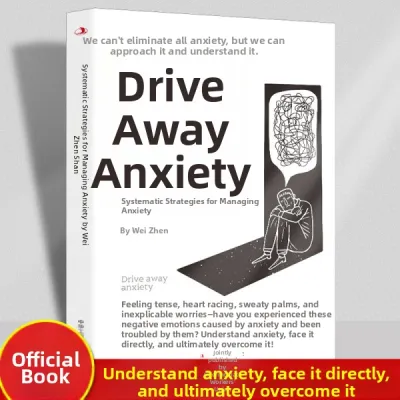

Prices are valid at publication and may change. Please refer to the product page for the latest price.
Finally, carefully review the publication details to avoid compatibility, language, or regional issues. Verify the specific edition, language, and format—whether print, digital, or audiobook—to ensure it fits your learning style and device ecosystem. Some digital editions or accompanying online resources may have regional distribution restrictions that limit access to supplementary templates, worksheets, or video content. Always confirm that the authorized seller provides the complete, unrestricted version of the text for your region before completing your purchase.
Matching Book Themes to Your Career Stage
Your professional needs change as you progress through different career phases, meaning a book that is highly valuable at one stage may offer limited utility at another. Early-career professionals should focus on building foundational execution skills, mastering time management, and developing effective workplace communication. At this stage, books that offer structured approaches to managing daily tasks, handling professional emails, and navigating team dynamics provide the highest immediate return on investment. Developing these core competencies early establishes a strong professional reputation and builds the confidence needed for future advancement.

For mid-level managers and technical specialists, the focus must shift from individual execution to broader organizational influence. Prioritize books that cover leadership methodologies, strategic thinking, and cross-functional collaboration. At this level, you need frameworks that help you manage up, resolve team conflicts, align diverse stakeholders, and translate high-level business objectives into actionable team goals. Learning how to delegate effectively and influence without direct authority are critical skills that books in this category should address.
If you are navigating a career transition or industry pivot, your reading strategy should prioritize adaptability and resilience. Look for resources that guide you through industry trend analysis, systematic skill reskilling, and the psychological aspects of managing professional change. Books that offer frameworks for identifying transferable skills and building a professional network in a new sector are particularly valuable during these periods of uncertainty. Focus on authors who provide structured methods for mapping your existing capabilities to new market demands.
Adapting Global Advice to the Local Professional Environment
Many of the most popular career development books are written from a Western-centric corporate perspective, which may not always align seamlessly with the multicultural business landscape of Singapore. When reading international bestsellers, it is crucial to critically evaluate how cultural nuances affect the applicability of the advice. Strategies that advocate for highly aggressive self-promotion or direct confrontation may require significant modification to be effective in a diverse, collaborative local environment where harmony and mutual respect are highly valued.
Communication and negotiation tactics must be carefully calibrated to suit a mix of high-context and low-context communication styles. While some multinational corporations operating locally favor direct, explicit communication, many regional businesses rely on subtle, relationship-driven, and high-context interactions. When a book suggests a specific negotiation script or feedback model, adapt the tone to maintain professional harmony and respect local workplace hierarchies while still achieving your objectives. Understanding when to apply directness and when to use diplomacy is key to localizing global advice.
Additionally, always verify the regulatory compliance of any practical advice concerning employment terms, taxation, or legal frameworks. Bestsellers often reference specific labor laws, retirement savings structures, or tax incentives unique to their country of origin. Cross-reference any advice regarding employment benefits, contract negotiations, or intellectual property with current local regulations and official statutory guidelines to ensure your actions remain fully compliant. Never assume that financial or legal strategies described in international publications apply directly to your local context.
Practical Steps for Purchasing and Accessing Books
Acquiring your selected titles efficiently requires comparing different purchasing and borrowing channels to find the most suitable format and value. Physical bookstores allow you to browse the physical layout, check the paper quality, and read the table of contents before committing to a purchase. Alternatively, local e-commerce platforms and online marketplaces often provide competitive pricing, though you must verify that the seller is authorized to avoid receiving low-quality, unauthorized reprints. Digital storefronts offer immediate access, but require checking device compatibility and file formats.
Before finalizing any purchase, double-check the specific product details to ensure you are getting the correct version. Confirm the publication year and edition number, as newer editions often contain updated case studies, revised frameworks, and corrected text. Pay close attention to the language edition—especially when choosing between original English texts and translated versions—to ensure the terminology remains accurate and clear. Verifying these details prevents the frustration of purchasing outdated or incomplete content.
Before buying, consider utilizing public resources to access your reading list. The National Library Board (NLB) offers extensive physical and digital collections, allowing you to borrow ebooks, audiobooks, and physical copies without cost. Utilizing digital library applications lets you preview books on your tablet or e-reader, helping you assess whether a book warrants a permanent place on your physical bookshelf before you spend any money. This approach allows you to explore a wide range of titles while managing your personal development budget effectively.
Building an Actionable Reading and Implementation Plan
Simply reading a book is rarely enough to drive meaningful career progression; you must actively integrate its concepts into your daily professional routine. Start by setting realistic reading goals and structured schedules to prevent accumulating a stack of unread books. Dedicating just fifteen to thirty minutes each morning or during your daily commute ensures consistent progress without overwhelming your existing work commitments. Consistency is far more valuable than occasional marathon reading sessions when trying to build lasting habits.
To maximize retention, establish clear knowledge output mechanisms as you read. Take structured notes, highlight key frameworks, or write brief summaries of how specific chapters apply to your current projects. You can also share these insights with your colleagues through informal team presentations or use them to optimize specific workflows within your department, which simultaneously demonstrates your proactive approach to professional development. Transforming passive reading into active application solidifies your understanding of the material.
Finally, schedule regular reviews to assess the practical impact of the advice you have implemented. Every quarter, evaluate whether the new strategies have improved your productivity, communication, or leadership outcomes. If a particular methodology is not yielding the desired results, do not hesitate to adjust your reading list and explore alternative frameworks that better align with your evolving career needs. Continuous refinement of your reading strategy ensures that your learning remains directly relevant to your professional trajectory.
Frequently Asked Questions (FAQ)
Are audiobooks as effective as physical books for career learning?
Audiobooks are highly effective for passive learning and maximizing productivity during daily commutes or routine tasks. They allow you to absorb conceptual ideas, professional inspiration, and case studies while on the move. However, for complex, highly technical frameworks that require deep focus, physical books or digital text formats are generally more effective for detailed study. Physical books make it much easier to highlight key passages, take detailed notes, flip back to reference diagrams, and study structured tables at your own pace. For effective results, consider using audiobooks for high-level conceptual overviews and physical or digital texts for deep, analytical study.
How often should I update my career reading list?
You should review and update your career reading list at least once every six months, or whenever you experience a significant professional transition. Key triggers for an immediate update include receiving a promotion, transitioning to a new industry, or encountering a persistent professional plateau. Regularly refreshing your list ensures that your reading material remains directly aligned with the immediate skills and strategic knowledge required for your next professional step. Additionally, staying attuned to emerging industry trends can help you proactively add relevant titles to your list before a major market shift occurs.
Community discussion
Share your experience or ask a question. Comments are reviewed before publication.