
Starting an adult colouring practice for mindfulness is one of the most accessible ways to quiet a busy mind and find a sense of calm in a fast-paced world. Unlike traditional art forms that require years of training, colouring removes the pressure of the blank canvas by providing a structured guide. The goal of this practice is not to produce a flawless piece of art to display, but rather to immerse yourself fully in the physical act of applying colour to paper. By focusing on the rhythmic movement of your hand and the vibrant hues unfolding before you, you can gently anchor your awareness in the present moment.
To begin this journey, you do not need expensive supplies or innate artistic talent. What you need is a willingness to slow down, observe your thoughts without judgment, and engage your senses in a simple, repetitive task. This colouring book tutorial will guide you through selecting the right materials, preparing a supportive environment, and mastering basic techniques that promote deep focus and stress relief.
Preparing Your Space and Selecting Mindfulness Materials
The physical tools you choose play a significant role in how relaxing your colouring sessions will be. When browsing for adult colouring books, pay close attention to the paper specifications listed on the product packaging or online descriptions. Opt for books that feature heavyweight paper, typically rated at 120 GSM (grams per square metre) or higher, especially if you plan to use wet mediums. Thicker paper prevents ink from bleeding through to the other side, which is crucial if the book has illustrations printed on both sides of each page. Additionally, consider the binding style; books with lay-flat or spiral bindings are highly recommended because they allow the pages to remain completely flat, preventing you from having to fight the spine while trying to colour near the margins.
Products mentioned in this guide
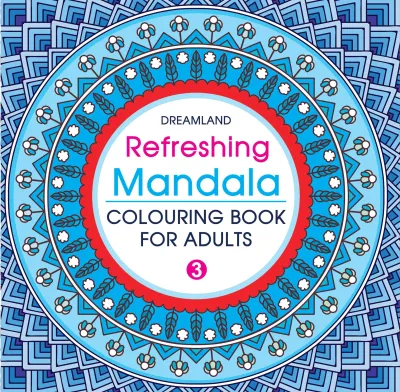
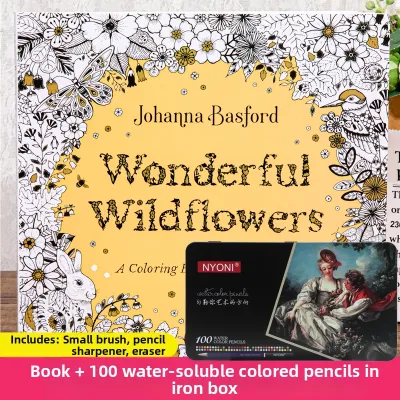
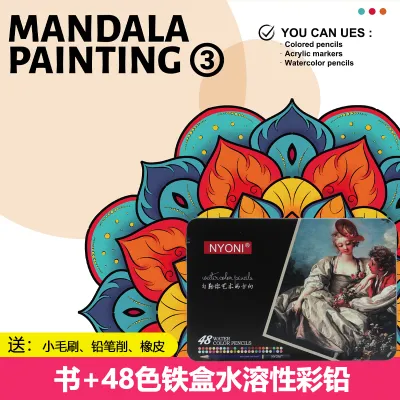
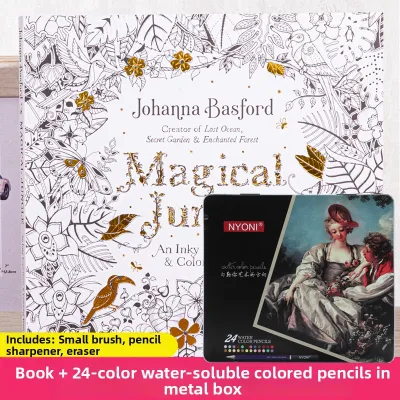
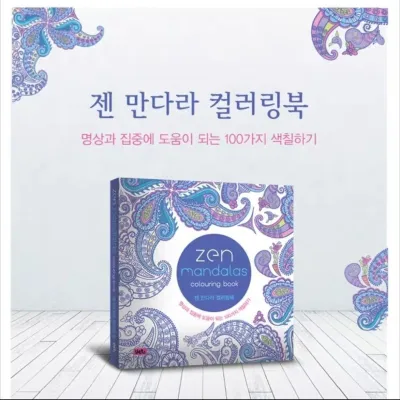
Prices are valid at publication and may change. Please refer to the product page for the latest price.
Your choice of colouring medium also influences the sensory experience of your practice. Coloured pencils are the most popular choice for beginners because they offer excellent control, allow for subtle shading, and carry virtually zero risk of bleeding through the paper. If you prefer vibrant, saturated colours, gel pens provide a smooth glide and are excellent for filling in small, intricate details, though they require a brief drying time to prevent smudging. Markers and brush pens offer rich, bold pigments but demand very thick, bleed-resistant paper. Before starting on a main illustration, always use the blank test pages often found at the back of colouring books to check how your chosen medium interacts with the paper texture.
Beyond the physical tools, the environment in which you colour sets the tone for your mindfulness practice. Designate a quiet, clutter-free space where you can sit comfortably without immediate distractions like television screens or work computers. Ensure your seating supports good posture, as bending over a table for extended periods can cause neck and shoulder tension. Adequate lighting is equally important; natural daylight is ideal, but an adjustable warm desk lamp can also create a cozy, inviting atmosphere that signals to your brain it is time to unwind.
Setting Intentions Before You Start Colouring
Before your pencil even touches the page, taking a few moments to transition from your daily tasks into a mindful state is essential. It is common to carry the residual stress of a busy day into your creative space, which can lead to a rushed or frustrated colouring session. To counter this, begin with a simple grounding exercise. Sit comfortably with both feet flat on the floor, close your eyes, and take three slow, deep breaths. Inhale deeply through your nose, hold the breath for a moment, and exhale slowly through your mouth, consciously releasing the tension in your shoulders and jaw.

As you open your eyes and look at your colouring book, make a conscious decision to let go of any expectations regarding the final outcome. Remind yourself that there is no “wrong” colour combination, and you are not creating a piece for public exhibition or critique. If you find yourself worrying about choosing the perfect colour scheme or making a mistake, gently remind yourself that the value of this activity lies entirely in the process of creation. You do not need to complete an entire page, or even a large section, in a single sitting; completing just a few small shapes is a perfectly valid and successful session.
To prevent your new hobby from feeling like another task on your to-do list, establish a flexible time boundary before you begin. Setting a gentle, soft-toned timer for 15 or 20 minutes can help you fully immerse yourself in the activity without constantly checking the clock. This boundary creates a dedicated sanctuary of time where your only responsibility is to focus on the movement of your hand. If you feel inspired to continue after the timer sounds, you may do so, but giving yourself permission to stop early prevents mental fatigue and keeps the practice enjoyable.
Step-by-Step Colouring Techniques for Deep Focus
Transitioning from preparation to active colouring requires a shift in how you perceive the physical actions of your hands and tools. By focusing on the tactile feedback of your medium against the paper, you can transform simple colouring strokes into a form of active meditation.
Building Rhythm with Base Layers and Simple Patterns
When you are ready to begin, select a starting point on the page that feels naturally inviting, such as a central motif or a corner of a repeating geometric pattern. Hold your pencil with a relaxed grip, keeping your fingers slightly back from the tip to allow for a wider range of movement and better visibility. Apply a very light, consistent pressure to the paper to lay down a smooth base coat of colour. Pressing too hard too quickly can burnish the paper, flattening its natural texture and making it difficult to add more layers later.
As you apply these initial layers, focus on creating a steady, repetitive motion. Using small, circular strokes or light, parallel lines helps to build an even distribution of pigment while establishing a soothing physical rhythm. Match the pace of your hand movements to the natural flow of your breathing, allowing each stroke to become an anchor for your attention. If you notice your hand tensing up or your grip tightening, pause for a moment to shake out your fingers and consciously relax your wrist. Keeping your physical movements gentle and fluid prevents hand fatigue and protects the delicate fibers of the paper from tearing.
Enhancing Focus with Gentle Shading and Blending
Once you feel comfortable with the basic rhythm of laying down flat colour, you can gently introduce simple shading techniques to deepen your focus. Shading does not require advanced artistic training; it is simply the practice of varying the pressure of your tool to create depth. Start by applying very light pressure near the center of a shape, and gradually increase the pressure as you move toward the edges or borders. This simple variation creates a soft gradient that gives your colouring a sense of dimension and life without requiring complex blending tools.
When selecting your palette, try to trust your intuition rather than overthinking which colours “should” go together. If you feel drawn to a specific blue or a warm yellow, use it without analyzing whether it is realistic or conforms to traditional colour theory. Allowing your choices to be guided by immediate preference encourages a playful, non-judgmental mindset. If you find yourself starting to overcomplicate the page by adding too many layers, highlights, or complex patterns, take it as a sign to step back. Recognizing when a section is complete is a vital part of mindfulness, helping you avoid the transition from relaxed engagement to perfectionist stress.
Managing Distractions During Your Session
It is entirely natural for your mind to wander during a colouring session, especially when you are first establishing a mindfulness practice. You might find yourself thinking about upcoming chores, work deadlines, or past conversations while your hand is moving across the page. When these intrusive thoughts arise, the key is to acknowledge them without self-criticism. Instead of feeling frustrated that you have lost focus, simply label the thought as “thinking” and gently let it drift away, returning your awareness to the physical task at hand.
To help bring your focus back to the present, use the rich sensory feedback of your colouring tools as a physical anchor. Listen closely to the soft, scratching sound of the pencil lead moving across the paper, or observe the way the wet ink of a gel pen glints in the light before it dries. Feel the texture of the paper beneath your hand and the subtle resistance it offers to your strokes. By redirecting your attention to these immediate sensory details, you interrupt the cycle of mental chatter and ground yourself firmly in the physical world.
Mistakes, such as accidentally colouring outside a line or choosing a colour that you later dislike, are inevitable parts of the process. Instead of viewing these moments as failures or reasons to abandon the page, try to reframe them as opportunities to practice self-compassion. Accept the stray mark as a unique feature of your personal practice, or find a creative way to integrate it into the surrounding design. Embracing these minor imperfections reinforces the core mindfulness lesson that life does not need to be perfect to be beautiful and fulfilling.
Concluding and Reflecting on Your Practice
How you end your colouring session is just as important as how you begin it, as a mindful wrap-up helps to consolidate the stress-relief benefits you have cultivated. When your timer sounds or you feel ready to stop, do not immediately rush off to your next task. Instead, pause for a moment with your colouring book still open in front of you. Take a slow, deep breath and perform a quick mental scan of your body, noting any changes in your muscle tension, heart rate, or overall stress levels compared to when you first sat down.
Take a few moments to tidy your workspace in a deliberate, unhurried manner. Placing your pencils back in their tin, capping your pens, and closing your book are simple actions that serve as a physical boundary, signaling the formal end of your practice. Caring for your tools in this way not only keeps them in excellent condition for your next session but also reinforces the respect you are showing to your dedicated personal time.
Finally, take one last look at your page without engaging in self-critique. Resist the temptation to compare your work to completed pages you may have seen online, and avoid focusing on areas where you feel your technique was lacking. Appreciate the page simply as a record of the quiet, focused time you gifted to yourself. Close the book with a sense of gratitude for the space you created to breathe, focus, and restore your mental clarity.
Frequently Asked Questions (FAQ)
Do I need artistic skills to benefit from mindfulness colouring?
No, you do not need any artistic skills or prior drawing experience to benefit from mindfulness colouring. The therapeutic value of the practice comes entirely from the sensory experience of applying colour to paper, rather than the aesthetic quality of the final product. If complex designs feel intimidating, starting with simple geometric patterns or large, abstract shapes can help you build confidence and focus on the calming, repetitive motion of colouring.
How long should a mindfulness colouring session last?
A mindfulness colouring session does not need to be long to be effective; even 10 to 15 minutes of focused colouring can help calm your nervous system. Prioritizing short, consistent daily sessions is generally more beneficial for long-term stress management than attempting infrequent, hours-long sessions. Always listen to your body during your practice, and feel free to stop if you begin to experience hand fatigue, eye strain, or mental restlessness.
What type of colouring book is best for anxiety relief?
For anxiety relief, look for colouring books that feature larger, less intricate patterns with thicker lines, which allow for broader strokes and less intense visual focus. Books with heavyweight paper (around 120 GSM or higher) and lay-flat or spiral bindings are ideal because they minimize physical frustrations like ink bleed-through or pages constantly flipping shut. Choosing designs that feature natural elements, such as botanicals or simple landscapes, can also enhance the calming effect of your practice.
Community discussion
Share your experience or ask a question. Comments are reviewed before publication.