
To embark on the epic fantasy journey of the Wings of Fire series, the definitive starting point is the very first book, The Dragonet Prophecy. Written by Tui T. Sutherland, this novel serves as the essential gateway to the sprawling world of Pyrrhia, introducing the core lore, the distinct dragon tribes, and the overarching conflict that drives the entire narrative. Beginning here ensures you experience the mystery, character growth, and world-building exactly as the author intended, avoiding major spoilers that occur in later volumes.
The Best Starting Point for New Readers
The Dragonet Prophecy (Arc 1, Book 1) is the foundation of the entire franchise. It introduces readers to five young dragonets—Clay, Tsunami, Glory, Starflight, and Sunny—who have been raised in secret to fulfill a prophecy and end a brutal, generation-spanning war. This book establishes the unique traits, abilities, and territories of the seven major dragon tribes of Pyrrhia, such as the fire-breathing MudWings, the aquatic SeaWings, and the venom-spitting RainWings.
Starting with this book allows you to learn about the world alongside the main characters. Because the dragonets have been isolated in a cave for their entire lives, their first steps into the wider world of Pyrrhia mirror the reader’s own introduction to the setting. This shared perspective makes the complex political landscape and tribal rivalries much easier to comprehend.
Products mentioned in this guide
![[SG Stock]Wings of Fire Book Series by Tui T. Sutherland – 15 books set Dragonet Prophecy Jade Mountain Lost Continent Winter Turning and more](https://img.lazcdn.com/g/p/2f1d9a0521acac75b48ce656158c2ee9.jpg_400x400q80.jpg_.webp)
![[SG STOCK] Wings of Fire Series (15 Books to choose)](https://img.lazcdn.com/g/p/e53dec6a95b19ce441fc2bd486de595f.jpg_400x400q80.jpg_.webp)
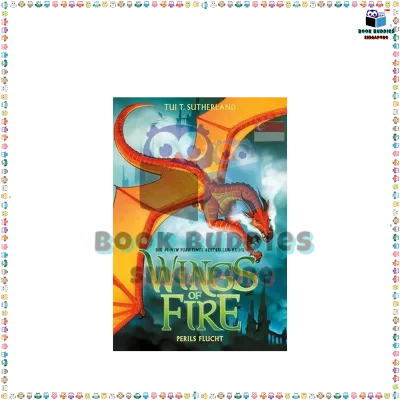
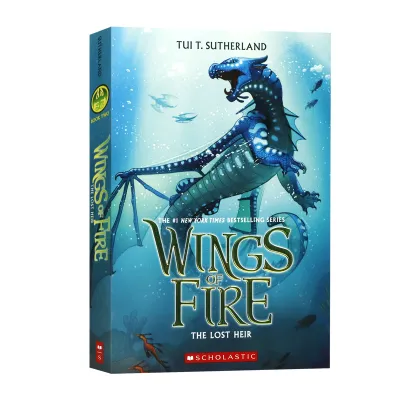
![[SG Stock]Wings of Fire Graphic Novel Set Books 1-8 - Tui T. Sutherland Scholastic Kids Comic Series](https://img.lazcdn.com/g/p/b3517fedcfe9b82508cc9d62d5bc7cb1.jpg_400x400q80.jpg_.webp)
![The Hidden Kingdom (Wings of Fire Graphic Novel #3): Volume 3 [Paperback] Holmes Mike and Sutherland Tui T. - 9781338344059](https://img.lazcdn.com/g/p/615954b4e45b7101621699b4030be4c0.jpg_400x400q80.jpg_.webp)


Prices are valid at publication and may change. Please refer to the product page for the latest price.
Attempting to start with later arcs, such as the second or third series, or even the prequel novels, is highly discouraged for newcomers. Later books assume a deep familiarity with the events, resolutions, and character fates of the initial arc. Reading them out of order will not only lead to confusion regarding the magic systems and political alliances but will also instantly spoil the dramatic climaxes of the earlier books.
The Main Wings of Fire Reading Order by Arc
The core Wings of Fire series is structured into distinct story arcs, each consisting of five books. This structured progression allows the narrative to expand in scope while maintaining a continuous timeline.

Arc 1: The Dragonet Prophecy (Books 1–5). This initial arc focuses on the original five dragonets of destiny as they navigate the war of SandWing succession. Each book is told from the perspective of a different dragonet, allowing readers to understand their distinct personalities, insecurities, and strengths. The books in this arc are The Dragonet Prophecy, The Lost Heir, The Hidden Kingdom, The Dark Secret, and The Brightest Night. Together, they form a complete, self-contained story that resolves the great war while setting the stage for future conflicts.
Arc 2: The Jade Mountain Prophecy (Books 6–10). Set shortly after the events of the first arc, this series shifts focus to a new generation of dragonets attending the newly founded Jade Mountain Academy—a school created by the original protagonists to promote peace among the tribes. This arc introduces new perspectives, deeper magical lore, and ancient threats. The reading order consists of Moon Rising, Winter Turning, Escaping Peril, Talons of Power, and Darkness of Dragons.
Arc 3: The Lost Continent Prophecy (Books 11–15). This arc dramatically expands the boundaries of the world by introducing a completely new continent called Pantala. Here, readers encounter entirely new dragon tribes—the SilkWings, HiveWings, and LeafWings—who face their own oppressive societal structures and ecological threats. The books in this final main arc are The Lost Continent, The Hive Queen, The Poison Jungle, The Dangerous Gift, and The Flames of Hope.
Subsequent Arcs and Future Releases. While the third arc concludes the major three-part epic, the universe continues to evolve. To track any future releases or potential fourth arcs, readers should regularly check official publisher announcements and authorized literary databases. Keeping up with these updates ensures you do not miss new installments that build upon the established lore of Pyrrhia and Pantala.
Novels vs. Graphic Novels: Which Format to Choose?
For readers deciding how to experience this dragon-led epic, the series is available in two primary formats: the original prose novels and the graphic novel adaptations illustrated by Mike Holmes. Both formats offer distinct advantages depending on reading preferences, age, and visual engagement.
The original text novels provide the most comprehensive and detailed version of the story. They offer deep internal monologues, intricate descriptions of the environments, and a slower, more immersive pacing that allows the world-building to breathe. For confident readers who enjoy traditional fantasy world-building, the prose novels remain the standard choice.
The graphic novels, on the other hand, translate the text into vibrant, fast-paced visual narratives. They follow the exact same chronological order as the main novels, making them a faithful alternative. The expressive illustrations bring the diverse dragon designs and action sequences to life, which can be incredibly helpful for visualizing the distinct physical traits of each tribe.
This visual format is particularly effective for younger readers, visual learners, or those who might find dense blocks of text intimidating. Many families find success by mixing the formats—using the graphic novels to spark initial interest and then transitioning to the prose novels for a deeper dive into the lore.
When to Read the Spin-offs, Prequels, and Short Stories
Beyond the fifteen main novels, the Wings of Fire universe includes several supplementary books, including full-length prequel novels and short story collections. While these additions enrich the lore, integrating them at the wrong time can disrupt the narrative flow or reveal major plot points prematurely.
The Wings of Fire: Legends books are standalone, full-length novels that explore historical events. The most notable of these is Darkstalker, which details the origin of one of the series’ most influential historical figures. While it is a prequel set thousands of years before Book 1, it is best read after completing Book 8 (Escaping Peril) or at least after finishing the entire first arc. Reading Darkstalker with the context of the main series makes its tragic events far more impactful, while reading it first would spoil major mysteries in Arc 2. Another Legends book, Dragonslayer, focuses on the human perspective (referred to as “scavengers” by dragons) and is best read alongside or after Arc 3.
The Winglets series consists of shorter stories that focus on the backstories of specific side characters, such as Prisoners, Assassin, Deserter, and Runaway. These are ideal for reading between the main books of Arc 1 and Arc 2 to gain extra character context and understand the motivations of secondary players.
A common mistake is attempting to read the prequels first simply because they occur earlier on the fictional timeline. These books are written with the assumption that the reader is already familiar with the geography, tribal traits, and basic history of Pyrrhia. Starting with them can lead to cognitive overload and a less enjoyable introduction to the franchise.
Tips for Buying and Collecting the Series
Building a personal library of the Wings of Fire series requires some practical planning, especially given the sheer number of volumes available. One of the most cost-effective ways to collect the books is by purchasing boxed sets. Publishers typically package the books by arc, meaning you can buy Arc 1 (Books 1–5) as a single set. This is generally much cheaper than buying individual paperbacks and provides a uniform look on your bookshelf.
When sourcing these books in Singapore, you have several excellent options. For physical browsing, local bookstore chains like Kinokuniya and Popular frequently stock both the prose and graphic novel editions. If you prefer borrowing, the National Library Board (NLB) network offers extensive physical copies across its branches, as well as digital versions via the Libby application. For online purchases, stick to authorized online bookshops or established ecommerce platforms to ensure you receive genuine copies rather than low-quality counterfeits.
Before finalizing any purchase, always verify the specific edition, language, and format. Because the series is popular globally, different regions may have varying cover art or physical dimensions. Checking these details beforehand ensures that your physical collection remains consistent in height and design, and that you do not accidentally purchase a graphic novel when you intended to buy the prose version, or vice versa. Prices for individual paperbacks typically range from S$12 to S$18, while complete five-book boxed sets often offer significant savings, making them the preferred choice for dedicated collectors.
Frequently Asked Questions (FAQ)
Do I need to read the Wings of Fire books in exact order?
Yes, reading the books in their exact chronological order is highly recommended. The overarching plot of each arc is continuous, with each book building directly on the cliffhangers and character developments of the previous one. Skipping books will result in significant confusion regarding character alliances, magical rules, and major plot twists. Even though the focus shifts to new protagonists in later arcs, the historical consequences of earlier events remain central to the plot.
What is the recommended age range for the Wings of Fire series?
The series is primarily categorized as middle-grade fantasy, making it highly suitable for readers aged 8 to 12. However, its rich world-building and complex themes also appeal to older teenagers and adult fantasy fans. Parents should note that while the books feature colorful dragon characters, the story does involve fantasy violence, battles, and moments of emotional peril. The themes and stakes mature slightly as the series progresses, making it a great transition series for growing readers.
Community discussion
Share your experience or ask a question. Comments are reviewed before publication.