
Quick Answer: Key Signs Your Classical Guitar Strings Need Replacing
Knowing when to change your classical guitar strings is essential for maintaining the warm, resonant voice of your instrument. Unlike steel strings, which rust obviously, nylon strings degrade gradually, slowly robbing your guitar of its expressive range. You can determine if it is time for a change by observing a few key diagnostic signals.
The most immediate signs include:
- Dull Tone: A lifeless sound that lacks brightness, clarity, and sustain.
- Tuning Instability: Strings that slip constantly and refuse to hold their pitch.
- Visible Damage: Dark oxidation on the wound bass strings or fraying near the bridge.
- Tactile Wear: Flat spots, rough textures, or deep indentations on the underside of the strings.
If your guitar exhibits any of these symptoms, installing a fresh set of strings will instantly restore its playability.
Products mentioned in this guide

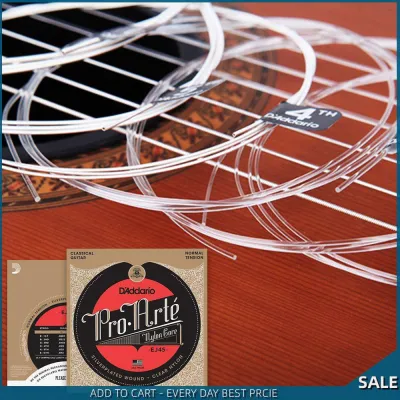
![Yamaha C40 C40M Classical Guitar Full Size 39 inch Nylon Strings Beginner Series [LIMITED STOCK]](https://img.lazcdn.com/g/p/1b9eb7a3259850ed5d930b5d8504c67d.jpg_400x400q80.jpg_.webp)
Prices are valid at publication and may change. Please refer to the product page for the latest price.
Auditory and Playability Signals
The primary indicator of worn classical guitar strings is a noticeable decline in sound quality. New nylon strings possess a bright, singing treble and a deep, resonant bass. Over time, as the materials stretch and accumulate dirt, you will notice a severe loss of high-end frequencies. The treble strings begin to sound plasticky and thin, while the bass strings lose their ringing sustain, sounding muddy and dead.

Another critical auditory signal is poor intonation. If you tune your open strings perfectly but find that chords sound sour or out of tune as you play higher up the neck, your strings have likely lost their uniform density. As strings wear down unevenly, their physical mass varies along their length, making it impossible for them to vibrate at true pitch across the entire fretboard.
You may also experience a frustrating tonal imbalance across the instrument. Because the wound bass strings contain a metal wrap over a nylon core, they degrade at a different rate than the solid nylon trebles. This can lead to a disjointed performance where your bass notes sound muffled and quiet, while your trebles remain piercingly loud.
Finally, pay attention to sudden fret buzz. While buzz can sometimes indicate structural neck issues, old strings are a frequent culprit. As strings lose their elasticity, they can vibrate with an erratic, wider arc, causing them to strike the frets even under normal playing pressure. Replacing the strings is the easiest way to rule out structural problems before adjusting your guitar’s setup.
Visual and Physical Wear Indicators
A thorough physical inspection of your classical guitar strings will often reveal clear signs of material fatigue. Start by examining the wound bass strings, which are typically made of silver-plated copper or bronze wrapped around a multifilament nylon core. Look closely at the areas directly over the frets; you will often see dark spots, green or black discoloration, and oxidation where sweat and oils have reacted with the metal plating.
Next, inspect the critical anchor points of the strings: the tie-block at the bridge and the slots in the nut. Because classical guitar strings are tied directly to the bridge, these areas experience immense concentrated tension. Look for signs of fraying, severe kinks, or deep grooves where the nylon has begun to pinch or split. Any visible thinning near the bridge tie-block is a warning sign that a string is on the verge of snapping.
Run your fingertips along the underside of the strings, particularly where they make contact with the metal frets. Over weeks of playing, the constant pressure of fretting creates flat spots and physical indentations on the bottom of the strings. These physical deformities disrupt the smooth vibration of the string, leading to buzzing and poor intonation.
Lastly, check for loose or unraveling metal windings on the bass strings. If you can feel the metal wrap separating from the inner nylon core, or if you see tiny gaps in the winding near the soundhole where your fingers strike, the string’s structural integrity is compromised. Once the winding begins to separate, the string can no longer vibrate uniformly, resulting in a completely dead tone.
Environmental and Usage Factors That Accelerate Degradation
How quickly your classical guitar strings degrade depends heavily on your playing habits and the surrounding environment. Every time you play, your fingers leave behind natural skin oils, sweat, and microscopic dead skin cells. This debris settles into the microscopic gaps of the wound bass strings and clings to the treble strings, adding dead weight that dampens vibrations and accelerates metal oxidation.
Your playing frequency and technique also play a major role. Musicians who practice daily or employ aggressive right-hand techniques—such as vigorous rasgueados—will wear out their strings much faster than casual hobbyists who play light free strokes a few times a week. The physical impact of nails and fingertips gradually deforms the nylon and fatigues the metal windings.
In Singapore, the tropical climate presents a unique challenge for classical guitarists. The consistently high relative humidity and temperature fluctuations—especially when moving an instrument between air-conditioned rooms and humid outdoor spaces—can cause nylon strings to expand and contract constantly. This environmental stress destabilizes tuning and accelerates the corrosion of silver-plated bass strings, causing them to tarnish and lose their brightness much faster than they would in a dry, temperate climate.
To combat these environmental factors, wiping down your strings with a clean, dry microfiber cloth after every playing session is highly recommended. This simple habit removes moisture and corrosive oils before they can settle into the windings, significantly extending the usable lifespan of your strings.
What to Do Next: Maintenance, Cleaning, or Replacement
If your inspection reveals only light dirt and a slightly dull tone, you might be able to extend the life of your strings with a gentle cleaning. Use a dry, lint-free microfiber cloth to wipe down each string individually, pinching the string gently and sliding the cloth from the bridge to the nut. Avoid using harsh household chemicals, alcohol, or oils on classical guitar strings, as these substances can permanently damage the nylon material and degrade the wood of your fretboard.
However, if you observe structural fraying, unraveling metal windings, severe flat spots, or persistent intonation issues, immediate replacement is the only viable solution. Continuing to play on severely degraded strings not only ruins your tone but can also lead to sudden breakage, which risks scratching your guitar’s soundboard or damaging the bridge.
When selecting replacement classical guitar strings, you must consider your instrument’s requirements and your personal playing preferences. A standard set of quality classical guitar strings typically costs between S$10 and S$30, making regular replacement an affordable way to maintain your instrument’s voice. Classical strings are categorized by tension—typically light, medium, or high tension—rather than numerical gauges. Check your guitar manufacturer’s recommendations, as high-tension strings exert more force on the bridge and neck, which may not be suitable for delicate or vintage instruments.
Once you install your new set, remember that nylon strings require a breaking-in period. Unlike steel strings, nylon is highly elastic and will stretch continuously for several days. To help them settle faster, gently stretch each string along its length after the initial tuning, retune, and repeat the process. It may take a few days of regular tuning before the new strings fully stabilize and hold their pitch reliably.
Frequently Asked Questions (FAQ)
How often should I change my classical guitar strings?
There is no fixed calendar schedule for changing classical guitar strings, as lifespan depends entirely on your playing frequency, sweat acidity, and local humidity. A daily performer or serious student may need to change their strings every few weeks to maintain a crisp, professional tone. In contrast, a casual hobbyist playing a few times a week might find their strings last several months before the loss of tone and intonation becomes bothersome. Rather than relying on a calendar, monitor the auditory and visual signs of wear to decide when to change them.
Can I replace just one broken string instead of the whole set?
While you can replace a single broken string as a temporary emergency fix, it is highly recommended to replace the entire set. A brand-new string will sound significantly brighter, louder, and more resonant than the remaining older, oxidized strings, creating a jarring tonal imbalance across your instrument. Additionally, the new string will take days to stretch and stabilize, while the older strings remain stable, leading to frustrating tuning discrepancies during your practice sessions.
Do expensive classical guitar strings last longer?
Higher-priced classical guitar strings do not necessarily offer a longer physical lifespan. The premium cost of high-end strings typically reflects superior manufacturing tolerances, material purity, and tonal consistency rather than resistance to wear. All nylon and metal-wound strings are subject to the same physical degradation from fret contact, skin oils, and environmental humidity. Investing in premium strings improves your tone and playability, but they still require regular replacement to perform at their best.
Community discussion
Share your experience or ask a question. Comments are reviewed before publication.