
At its core, the Heart Sutra is a condensed roadmap for navigating the complexities of human experience. It offers a profound perspective shift that can radically alter how you handle modern stress and anxiety.
Rather than demanding adherence to complex religious dogmas, this ancient text invites you to examine the nature of reality and your own perceptions. It focuses on how our mental constructs often cause unnecessary suffering.
For anyone on a personal growth journey, the sutra serves as a practical psychological tool. By understanding its core teachings, you can learn to dismantle rigid expectations and cultivate emotional resilience.
Products mentioned in this guide
![[2 Books]Heart Sutra Book Chinese Traditional Notebook Buddha Meditation Transcription Buddhist Scripture Manuscript Chinese Calligraphy Practice Book Paper Writing Copybook with Pen Set for Beginner Calligraphy Copybook Heart Sutra Copy](https://img.lazcdn.com/g/p/7f36db3dd13f4c64c7f0ae9de67f9a41.jpg_webp_400x400q80.jpg_.webp)
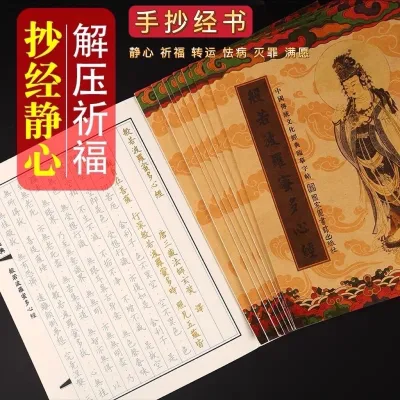
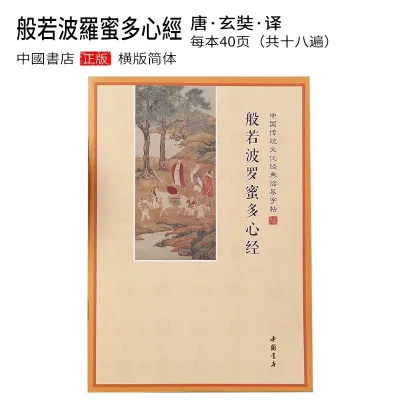
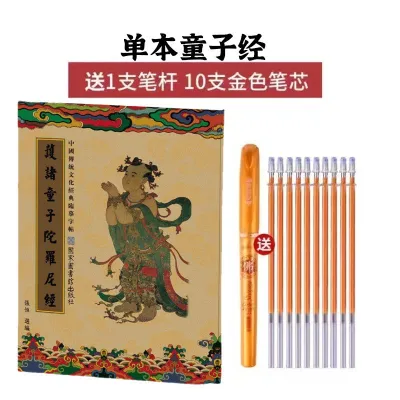

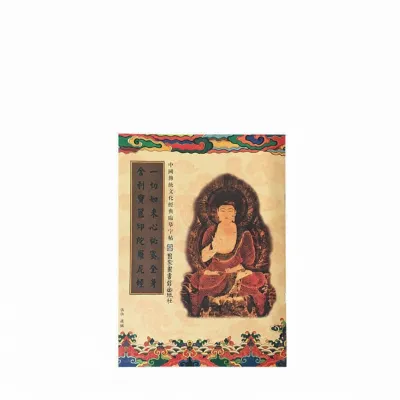
Prices are valid at publication and may change. Please refer to the product page for the latest price.
What the Heart Sutra Is and Why It Matters for Personal Growth
The Heart Sutra is one of the most widely read and recited philosophical texts in history. Despite its immense depth, it is remarkably brief, consisting of only a few hundred words in standard translations.
Historically positioned at the center of Eastern contemplative literature, its primary focus is the cultivation of wisdom. This is not academic knowledge, but the kind of insight that liberates the mind from habitual patterns of dissatisfaction.
In a fast-paced urban environment where professional demands and social comparisons are constant, your mind is easily trapped in a cycle of striving. The sutra directly addresses this modern friction by challenging the way you perceive your identity and achievements.
It suggests that much of the stress you experience does not stem from external events themselves, but from the permanent weight you assign to them. By reframing these perceptions, you can find a steady calm amidst rapid change.
When approaching this text for personal development, it is crucial to set realistic expectations. The Heart Sutra is not a quick-fix self-help guide that promises instant happiness, but a contemplative framework that requires slow, reflective reading.
Decoding "Emptiness": The Core Teaching in Plain Language
The central pillar of the Heart Sutra is the concept of emptiness, famously encapsulated in the phrase, “Form is emptiness, emptiness is form.” To a beginner, this language can sound baffling or even discouraging.

However, when translated into practical terms, emptiness does not mean nothingness or promote a bleak, nihilistic view of life. It does not suggest that your feelings, your relationships, or the physical world do not exist.
Instead, emptiness refers to the idea that nothing exists in isolation. Everything—including your thoughts, your career, and your identity—is empty of a separate, permanent, and independent existence.
Everything is interconnected and constantly changing. For example, a wooden table is not an isolated entity; it is a temporary gathering of wood, rain, soil, sunlight, and the labor of the artisan who built it.
Understanding this interdependence is incredibly liberating for personal growth. When you realize that your current difficulties or negative emotions are not permanent fixtures of your identity, you stop clinging to them so tightly.
A setback at work is no longer a defining, unchangeable label on your worth; it is a temporary state of affairs shaped by shifting conditions. This realization allows you to become more adaptable and less prone to catastrophic thinking.
How to Apply the Heart Sutra's Wisdom to Your Daily Life
Integrating the philosophy of the Heart Sutra into your daily routine requires moving from intellectual understanding to active practice. One of the most immediate ways to apply this wisdom is by reframing how you respond to unexpected changes or personal failures.
When a project fails or a plan falls through, the natural human tendency is to resist the change and spiral into self-criticism. By applying the concept of impermanence, you can pause and remind yourself that this difficult moment is merely a passing configuration of circumstances.
This perspective shift allows you to ask constructive questions about how to adapt, rather than getting stuck in blame. It helps you view life as a fluid flow of events rather than a series of threatening obstacles.
Mindfulness exercises inspired by the sutra can also help ground you in present-moment awareness. The text emphasizes looking deeply at our sensory experiences and mental processes to see their true nature.
You can practice this by observing your thoughts during moments of high stress. When you feel anxiety rising, instead of fighting the feeling or letting it dictate your actions, simply observe it as a temporary mental phenomenon.
Notice how the physical sensation of anxiety arises, peaks, and eventually dissipates when left alone. This practice helps you realize that you are the observer of your thoughts, not the thoughts themselves.
Furthermore, the sutra invites you to identify the personal attachments that cause friction in your life. These attachments often take the form of rigid expectations about your career trajectory, relationships, or lifestyle.
To practice letting go, start by identifying one area where you feel intense control or anxiety. Gently remind yourself of its changing nature, and practice loosening your grip, allowing situations to unfold without demanding absolute conformity.
Common Misconceptions to Avoid When Studying the Text
As you begin your study of the Heart Sutra, navigating certain common pitfalls will ensure your journey remains practical and personally enriching. The first major trap is focusing solely on memorizing or chanting the text without seeking to understand its meaning.
While rhythmic recitation can have a calming, meditative effect on the nervous system, treating the words as a mere ritual limits their potential for psychological transformation. The true power of the sutra lies in active contemplation.
Another frequent misunderstanding is misinterpreting the sutra’s references to the absence of suffering as a promise of a pain-free life. The text does not suggest that physical pain, grief, or difficult emotions will magically disappear from your experience.
Rather, it teaches that suffering is created when we resist reality and cling to illusions of permanence. By changing your perspective and accepting the fluid nature of life, you eliminate the secondary layer of self-imposed anxiety and despair.
Finally, avoid treating the Heart Sutra as a magical, instant solution to your life’s problems. Personal growth is an ongoing, iterative process of inner work, and the sutra serves as a compass rather than a quick destination.
How to Choose the Right Translation and Study Resources
Because the Heart Sutra was originally composed in classical languages, choosing the right translation is critical for a beginner. When browsing local bookstores or online platforms, look for editions that prioritize modern, accessible language over dense academic jargon.
A good translation for personal growth should feel clear and resonant, allowing you to connect the concepts directly to your lived experience. It should help you bridge the gap between ancient philosophy and modern life.
Equally important is the quality of the accompanying commentary. For beginners, a translation paired with chapter-by-chapter explanations or essays by contemporary teachers is highly recommended.
These commentaries explain how the teachings apply to career, relationships, and self-care. To build a well-rounded understanding, consider cross-referencing two or three different translations to catch subtle nuances.
When selecting supplementary books, audio guides, or study courses, ensure they align with your personal goals. If your primary interest is self-improvement, seek out resources that emphasize the psychological and practical dimensions of the text.
Frequently Asked Questions (FAQ)
Do I need to be a Buddhist to benefit from the Heart Sutra?
No, you do not need to identify as a Buddhist or adopt any specific religious beliefs to benefit from the Heart Sutra. The core teachings of the text focus on the nature of perception, the mind, and the relief of mental suffering, which are universal psychological themes. Secular readers regularly study the text to enhance their mindfulness practices, build emotional resilience, and develop a healthier relationship with change and stress.
How long does it take to truly understand the Heart Sutra?
Understanding the Heart Sutra is not a one-time intellectual achievement with a fixed timeline; rather, it is a lifelong, deepening practice. While you can grasp the basic philosophical concepts in a single reading, integrating these insights so that they naturally guide your reactions to stress takes time. You will likely find that your comprehension deepens in stages, often marked by moments of clarity during difficult life transitions.
Community discussion
Share your experience or ask a question. Comments are reviewed before publication.