
Browsing through the glossy pages of a high-fashion magazine can feel like stepping into an alternate reality—one filled with avant-garde silhouettes, dramatic layering, and luxury price tags that seem far removed from daily life. However, treating these editorials as an inaccessible fantasy misses their true value. When approached with a strategic eye, a fashion magazine serves as an exceptional textbook for design theory, color composition, and styling proportions. Building a cohesive personal wardrobe using these publications requires shifting from passive consumption to active deconstruction.
Before embarking on this creative process, it is essential to establish a reliable source of inspiration. When purchasing a fashion magazine subscription, always verify the specific edition, language, and medium. For instance, while international editions offer global trend overviews, localized editions like Vogue Singapore provide curated content tailored to regional lifestyles and climates. If you opt for a digital format, confirm device compatibility, file formats, and potential regional restrictions on digital reader apps. Ensure you purchase from authorized sources to guarantee complete content access, as unauthorized digital copies often omit crucial editorial spreads or localized supplements. Never infer the exact contents of an edition solely from its cover artwork.
Define Your Baseline: Assessing Your Current Wardrobe and Lifestyle Needs
Before looking outward for inspiration, you must understand your starting point. A successful wardrobe is not a carbon copy of a magazine spread; it is a highly functional collection of garments that supports your daily reality. Begin by conducting a thorough wardrobe audit. Empty your closet completely and evaluate each item based on its fit, condition, and how frequently you actually wear it. This process highlights what you already own, reveals which silhouettes consistently make you feel confident, and exposes clear gaps—such as a lack of structured layering pieces or versatile neutral trousers.
Products mentioned in this guide
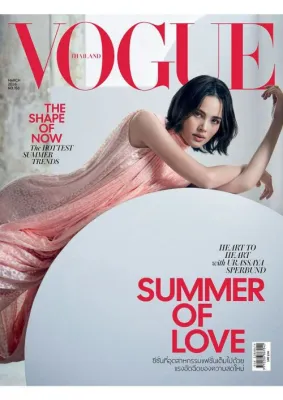
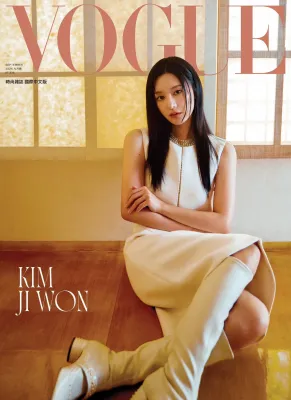

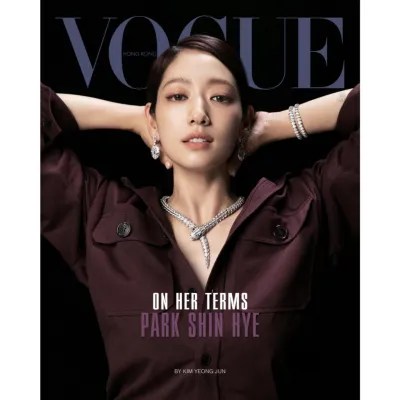
Prices are valid at publication and may change. Please refer to the product page for the latest price.
The next step is mapping your wardrobe to your actual lifestyle needs. In Singapore, this requires a highly practical approach to temperature regulation. Your daily routine likely involves navigating extreme temperature shifts, transitioning from highly air-conditioned offices and shopping centers (which can hover around 18°C to 20°C) to intense outdoor humidity and heat (often exceeding 30°C). Your wardrobe must accommodate these transitions seamlessly. Map out your weekly activities: how many days are spent in formal corporate settings, casual weekend neighborhoods like Tiong Bahru, or evening social events along Marina Bay? Your wardrobe proportions should directly reflect these percentages.
Finally, establish a simple baseline style direction to act as your editorial filter. Decide whether your core aesthetic leans minimalist (characterized by clean lines, neutral tones, and understated elegance), eclectic (defined by bold prints, vintage textures, and unexpected pairings), or tailored (focused on sharp structure, classic cuts, and refined silhouettes). Having a defined baseline ensures that when you browse through editorial spreads, you are actively searching for elements that complement your established identity rather than being swayed by beautiful but ultimately impractical trends.
How to Actively Deconstruct Vogue Editorials for Actionable Ideas
Analyzing High-Fashion Spreads for Silhouettes and Color Palettes
High-fashion editorial spreads are inherently artistic, often featuring avant-garde garments that are not designed for direct daily wear. To extract actionable ideas, you must look past the literal clothing and analyze the underlying design principles. Focus on the core silhouette and proportion rules displayed on the page. For example, if an editorial showcases an oversized, structured blazer paired with slim-fit trousers, the takeaway is not the specific designer brand, but the visual balance of a voluminous top contrasted with a streamlined bottom.

Color palettes and texture contrasts are equally valuable resources. Editorials are styled by industry experts who excel at pairing unexpected shades and materials. Observe how they mix cool tones with warm accents, or how they layer contrasting textures like matte leather-look fabrics against fluid, lustrous silks. You can easily replicate these color stories and textural balances using more basic, accessible pieces already residing in your wardrobe.
To make these observations practical, build a curated visual reference library. If you prefer print, clip out inspiring pages and organize them in a physical binder categorized by design elements such as “Color Combinations,” “Proportion Play,” or “Textural Contrast.” For digital subscribers, take high-resolution screenshots within your authorized reader app, ensuring your device has sufficient storage capacity to maintain a clear, zoomable archive. Grouping these images by design principles rather than specific brands prevents you from falling into the trap of searching for exact, high-priced items.
Extracting Wearable Styling Tricks from Street Style and Runway Recaps
While main editorial spreads lean toward high art, the street style and runway recap sections of the magazine offer highly practical, immediate styling inspiration. Street style photography is particularly useful for identifying clever styling hacks that cost nothing to replicate. Pay close attention to the “how” rather than the “what.” Look for recurring details: how a belt is knotted over a blazer to define the waist, how sleeves are casually rolled to expose a contrasting lining, or how a simple crewneck t-shirt is tucked to alter the proportions of a high-waisted skirt.
Runway recaps provide a macro-view of upcoming design directions. Instead of trying to adopt every new trend, use these reports to identify which overarching concepts align with your personal baseline style. If a trend report highlights “utility tailoring” and your baseline style is minimalist, you might choose to incorporate a single structured cargo trouser into your wardrobe. If a trend does not align with your lifestyle or aesthetic, ignore it entirely.
By focusing on styling techniques rather than individual garments, you unlock the ability to reinvent your existing clothes. A designer look featuring a luxury knit draped over the shoulders can easily be replicated using a lightweight cotton sweater you already own. This analytical approach transforms the magazine from a luxury catalog into an interactive style manual.
Translating High-Fashion Concepts into Climate-Appropriate Daily Wear
One of the greatest challenges of using international fashion editorials as inspiration is the geographic mismatch in climate. Vogue editions from cooler climates frequently feature heavy layering, wool trench coats, cashmere knits, and leather boots. Attempting to wear these exact outfits in Singapore’s tropical environment is highly impractical. The key is translation: substituting heavy, heat-trapping fabrics with breathable, lightweight alternatives that mimic the same drape, structure, and aesthetic.
To adapt structured winter looks, look for high-quality garments made from natural, breathable fibers. Swap heavy wool blazers for unlined blazers crafted from linen, silk, Tencel, or lightweight organic cotton blends. If an editorial showcases a dramatic long coat, achieve a similar elongated silhouette by opting for a sleeveless duster vest or a sheer, lightweight trench coat that allows air circulation while providing the desired visual length. These fabric substitutions allow you to maintain the sophisticated structure of high fashion without sacrificing physical comfort in the heat.
To keep your outfits wearable and elegant, implement the “one statement piece” rule. Rather than attempting to replicate a complex, multi-layered editorial look, select a single bold, magazine-inspired item to serve as the anchor of your outfit. This could be an asymmetrical linen skirt, a vibrant patterned blouse, or an architecturally structured handbag. Keep the rest of your ensemble simple, clean, and highly functional. This balanced approach ensures your outfit remains polished and intentional, rather than visually overwhelming or physically uncomfortable.
Mixing high-low fashion is another essential strategy for practical daily wear. Pair your editorial-inspired statement pieces with high-quality, durable basics. For instance, an eye-catching designer-style midi skirt can be paired with a simple, well-fitted white cotton t-shirt. This combination not only keeps your wardrobe financially accessible but also ensures that your daily outfits feel grounded and effortless.
Before wearing a newly styled, magazine-inspired outfit out into the world, always perform a quick comfort and mobility verification step at home. Put on the complete outfit—including shoes and accessories—and spend fifteen minutes moving around. Sit down, climb a flight of stairs, and check if the fabrics cling uncomfortably in warm conditions or restrict your movement. If the outfit feels restrictive or causes you to overheat, adjust the styling by removing a layer or swapping a synthetic fabric for a more breathable alternative.
Strategic Shopping: Building a Cohesive Collection Without Impulse Buying
An active relationship with fashion media can sometimes trigger the urge to shop impulsively. To prevent this, establish a highly structured framework for acquiring new pieces. Before making any purchases, consolidate your clipped or screenshotted inspiration into a focused visual mood board. Analyze this board for clear, recurring patterns. If you find that you have saved multiple images featuring wide-leg cream trousers, you have identified a genuine wardrobe gap that will actively enhance your styling options, rather than an impulse desire triggered by a single passing trend.
When you are ready to shop, prioritize high-quality foundational pieces before investing in highly specific, trend-driven items. A statement jacket inspired by a recent runway show will have limited utility if you do not own the versatile, breathable base layers needed to wear it comfortably. Allocate your budget toward well-constructed basics—such as perfectly tailored trousers, high-quality cotton tees, and classic footwear—that form the backbone of your style.
Whether shopping at physical boutiques along Orchard Road or browsing official brand stores online, make fabric verification a mandatory step. Carefully inspect the material composition labels. Avoid low-grade synthetic blends like polyester or acrylic, which trap heat and degrade quickly. Instead, look for natural, durable fibers such as linen, silk, cupro, and long-staple cotton. When purchasing online, verify the retailer’s size charts, return policies, and shipping terms to ensure a secure and satisfactory transaction.
Finally, resist the temptation to purchase an item solely because it was featured in a recent magazine spread or endorsed by an editor. Every potential addition to your closet must pass the “lifestyle needs” test established during your initial wardrobe audit. Ask yourself if the item can be styled in at least three different ways using pieces you already own, and whether it is physically suitable for your daily activities. If it fails this test, leave it behind, regardless of how stunning it looked on the printed page.
Maintaining and Evolving Your Personal Style Over Time
Building a personal style is not a one-time project, but a continuous process of refinement. Rather than completely overhauling your wardrobe with every monthly issue of Vogue, use the publication as a tool for gentle, seasonal evolution. Twice a year—typically aligned with the major Spring/Summer and Autumn/Winter trend releases—conduct a mini-review of your wardrobe. Use these moments to assess whether your current collection still aligns with your lifestyle and baseline aesthetic.
During these reviews, identify one or two minor updates to keep your style feeling fresh. This could involve introducing a new accent color inspired by a recent editorial, or experimenting with a different styling technique, such as a new way to layer lightweight fabrics. This controlled approach allows your wardrobe to evolve naturally without contributing to trend fatigue or unnecessary spending.
Regularly rotate out items that no longer fit your body, your lifestyle, or your established style goals. Keeping your closet organized and uncluttered ensures that you can clearly see every piece you own, making daily styling much more efficient. By viewing personal style as a long-term journey of self-expression, you transform your relationship with fashion media. Vogue ceases to be a source of pressure to consume, becoming instead an endless library of artistic inspiration that empowers you to curate a wardrobe that is uniquely and authentically yours.
Frequently Asked Questions (FAQ)
Do I need to buy expensive designer brands to replicate Vogue styles?
No. The core value of Vogue editorials lies in their creative styling, balanced proportions, and artistic color combinations, none of which are exclusive to luxury price tags. You can easily replicate the visual impact of a high-fashion look by focusing on precise tailoring, high-quality fabric compositions, and thoughtful styling techniques using accessible brands, local boutiques, or vintage finds. A well-fitted, mid-range linen shirt styled with clean proportions will always look more sophisticated than an ill-fitting designer garment.
How often should I update my wardrobe based on new magazine issues?
You should avoid updating your wardrobe with every monthly issue. Constant purchasing leads to a disjointed closet filled with fleeting trends that quickly lose their appeal. Instead, maintain a stable core of high-quality foundational pieces for at least a year or more. Treat monthly issues as a source of inspiration for minor styling adjustments—such as trying new color pairings or tucking techniques—rather than a signal to buy new clothes. Limit actual wardrobe additions to a few carefully considered pieces during your bi-annual reviews.
Community discussion
Share your experience or ask a question. Comments are reviewed before publication.