
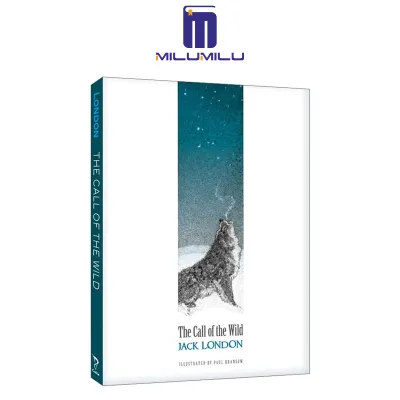
Why Read Singaporean Adventure and Nature Fiction? Jack London’s classic novel The Call of the Wild has long captivated readers with its stark, freezing depiction of the Yukon territory, where survival depends on primal instincts, physical endurance, and navigating an unforgiving subarctic wilderness. For readers drawn to these intense themes of survival and connection to the natural world, transitioning to Southeast Asian literature offers an entirely different, yet equally thrilling, sensory experience. Instead of subarctic snowstorms and pine forests, Singaporean adventure and nature fiction invites readers into a landscape defined by tropical heat, dense rainforests, complex mangrove systems, and volatile coastal waters. This shift in scenery brings a fresh set of ecological challenges and narrative dynamics that challenge characters in unique ways.
In Singapore, the relationship with nature is deeply shaped by the island’s rapid transformation from a historical trading port and kampong-based society into a hyper-modern, high-density global metropolis. This rapid urbanization creates a compelling, ever-present tension in local literature. Authors frequently explore the friction between the concrete jungle and the remaining pockets of untamed green spaces, reflecting a collective anxiety about what is lost when wild habitats are paved over. For the reader, this ecological tension adds a layer of psychological depth and contemporary relevance that goes beyond simple physical survival, turning every foray into the woods into a reflection on modernization and heritage.
By choosing to read Singaporean adventure and nature novels, you also play a vital role in supporting the local literary ecosystem and independent publishing houses. Local authors bring a distinct cultural lens to the adventure genre, blending regional folklore, historical realities, and unique environmental perspectives that cannot be found in Western classics. Engaging with these stories allows you to experience familiar themes of survival and instinct through a highly localized perspective. This guide will help you navigate the rich landscape of Singaporean eco-fiction and adventure writing, outlining the key themes to look for, how to select the perfect edition for your preferences, and where to source these books safely and authentically.
Products mentioned in this guide




Prices are valid at publication and may change. Please refer to the product page for the latest price.
Key Themes to Explore in Local Nature and Adventure Literature
To fully appreciate Singaporean adventure and nature writing, it is helpful to understand the primary thematic categories that define this literary landscape. Unlike vast continental wildernesses, Singapore’s natural spaces are compact, highly managed, yet surprisingly resilient. This unique geography gives rise to distinct sub-genres that explore how humans interact with the tropical environment, whether through modern ecological struggles or historical survival narratives.
Urban Wilderness and Ecological Tension
In modern Singaporean fiction, the wilderness is rarely isolated from the city; instead, it exists in constant conversation with it. Authors frequently set their narratives in or around preserved ecological areas such as the Central Catchment Nature Reserve, Bukit Timah Nature Reserve, or the coastal wetlands of Sungei Buloh. These locations serve as physical and symbolic boundaries where the highly structured, air-conditioned urban environment abruptly ends and the unpredictable, humid reality of the tropical jungle begins. Characters who venture into these spaces often find themselves navigating not just physical terrain, but also a deep psychological transition as they leave behind the safety of the grid.
The plot dynamics in these contemporary eco-thrillers and nature stories often center on the consequences of human encroachment on wild spaces. Characters might encounter displaced wildlife, navigate sudden tropical downpours that transform familiar paths into hazardous mudslides, or uncover hidden environmental damage within the forest. This creates a compelling survival narrative where the antagonist is not necessarily the forest itself, but rather the ecological imbalance caused by human neglect. The tension is palpable as characters realize that despite Singapore’s highly engineered infrastructure, the raw forces of tropical nature remain powerful, untamed, and indifferent to human convenience.
Furthermore, local writers frequently blend these survival elements with magical realism or speculative fiction to heighten the sense of wonder and danger. In these stories, the jungle might exhibit a form of collective consciousness, or ancient spirits tied to the land might reassert their presence against modern developments. This blending of genres allows authors to address serious ecological concerns—such as habitat loss and climate change—while delivering an engaging, atmospheric adventure that challenges the reader to reconsider their relationship with the natural world.
Island Heritage, Mangroves, and Historical Survival
For readers seeking a more traditional wilderness adventure, Singapore’s rich historical fiction offers narratives set in eras before the advent of modern skyscrapers and land reclamation. These stories transport readers to pre-independence island life, wartime occupation, or early maritime expeditions around the Southern Islands and Pulau Ubin. In these historical contexts, the natural world is not a managed reserve but a vast, wild frontier where survival requires intimate knowledge of the land and sea.
In these heritage-focused narratives, the primary environmental challenges are deeply tied to Singapore’s maritime geography. Characters must contend with the dense, labyrinthine root systems of coastal mangroves, navigate the treacherous currents of the Singapore Strait, and endure the seasonal fury of the monsoons. The mangrove swamps, in particular, often serve a dual purpose in local literature: they are both dangerous, impenetrable obstacles and vital sanctuaries for those fleeing conflict or seeking a livelihood. Surviving in these environments requires a level of resilience and instinctual adaptability that directly mirrors the classic struggles found in early wilderness literature.
Reading these historical adventure novels provides valuable cultural and historical insights that enrich the reading experience. Readers learn about the traditional lifestyles of the Orang Laut (sea nomads), the early agricultural communities that carved a living out of the jungle, and the profound ecological knowledge that these populations relied upon. By framing the natural environment as both a provider and a formidable adversary, these stories capture the raw, elemental struggle of human survival in a tropical archipelago, offering a profound sense of connection to Singapore’s natural and cultural heritage.
How to Select the Right Singaporean Novel for Your Taste
Navigating a new literary landscape can be challenging, especially when looking for specific genre elements like adventure and nature writing. To ensure you select a book that matches your reading preferences and offers a high-quality experience, consider the following practical evaluation framework before making a purchase or borrowing from a library.

Assess the “Wildness” and Pacing Adventure and nature fiction spans a wide spectrum of pacing and narrative focus. Before choosing a novel, determine whether you are in the mood for a fast-paced, high-stakes survival plot or a slower, more contemplative work of nature writing. Fast-paced novels often feature immediate physical dangers, environmental crises, or active exploration, making them ideal for readers who enjoy high tension. On the other hand, reflective nature fiction focuses on character development, ecological philosophy, and detailed descriptions of the tropical landscape, offering a deeper, more meditative reading experience.
Check Setting and Era The temporal setting of a novel heavily influences its themes and atmosphere. If you are interested in modern environmental issues, urban development, and contemporary ecological debates, look for novels set in modern-day Singapore. These stories often take the form of eco-thrillers or speculative fiction. If you prefer classic survival themes, maritime adventures, and a focus on historical lifestyles, seek out historical fiction set in Singapore’s early colonial era, wartime period, or kampong days.
Verify Language and Edition Singapore’s literary heritage is uniquely multilingual, reflecting its diverse cultural fabric. While many prominent works are written originally in English, there is a wealth of exceptional nature and adventure fiction written in Mandarin, Malay, and Tamil. When browsing, pay close attention to the book’s metadata. Before purchase, always verify the specific edition, language, medium or file format, regional restrictions, and content completeness. Never infer the contents or edition details of a book solely from its title or cover art. Reading translated works is an excellent way to access different cultural perspectives on nature and survival that you might otherwise miss.
Review Format and Compatibility Consider how you prefer to consume your literature and verify the availability of your chosen format. Many readers of adventure fiction appreciate the tactile experience of a physical paperback or hardcover, which often feature beautiful cover art from local designers. However, if you prefer digital reading for convenience or travel, ensure that the e-book version is available in a format compatible with your specific e-reader device or reading application. Checking these device compatibility and file format specifications beforehand prevents technical issues and ensures a seamless reading experience.
Evaluate Publisher and Authenticity To guarantee you are receiving a complete, high-quality, and unaltered text, always purchase or borrow books from authorized sources. Look for reputable Singaporean publishing houses or verified distributors. Buying directly from local publishers or established independent bookstores ensures that a larger portion of the proceeds goes directly to supporting the authors and the local literary community. This practice helps sustain the production of unique regional stories, ensuring that future generations of readers can continue to discover Singaporean adventure and nature fiction.
Where to Discover and Support Singaporean Authors
Finding local literature requires knowing where to look, as mainstream international retail platforms do not always highlight regional works. Fortunately, Singapore has a vibrant ecosystem of independent bookstores, publishers, and public institutions dedicated to promoting local writing.
Independent Local Bookstores One of the best ways to discover Singaporean adventure and nature novels is by visiting physical, independent bookstores located across the island. These specialized shops frequently feature dedicated “SingLit” (Singapore Literature) sections that showcase a curated selection of local fiction. The staff at these establishments are typically highly knowledgeable and passionate about local writing; they can offer personalized recommendations based on your interest in nature, survival, or historical adventure, helping you uncover hidden literary gems that you might not find through online algorithms.
Publisher-Direct Channels Many of established Singaporean publishing houses operate their own online stores and physical showrooms. Browsing these publisher-direct channels is an excellent strategy for finding the latest releases and complete catalogs of local fiction. These websites often categorize books by genre, making it easy to navigate directly to “Fiction,” “Eco-Literature,” or “Historical Adventure” sections. Purchasing directly from the publisher’s official website ensures that your financial support directly benefits the local literary community and helps fund future publishing projects.
Public Libraries and Literary Events For a highly accessible and cost-effective way to explore local literature, utilize the extensive network of the National Library Board (NLB). Singapore’s public libraries maintain comprehensive collections of local fiction in multiple languages, available in both physical and digital formats. You can easily search the NLB catalog online to reserve titles or download e-books directly to your device. Additionally, keep an eye out for local literary events, such as the annual Singapore Writers Festival, which features panel discussions, book launches, and workshops where you can meet local authors and discover new nature-themed releases.
General Online Bookstores If you prefer to shop through general online bookstores, you can still find a wide array of Singaporean literature by using targeted search strategies. Use search filters or keywords such as “Singaporean fiction,” “Southeast Asian adventure,” or search directly for known local publishing houses. When purchasing through online marketplaces, always verify the seller’s rating, shipping policies, and the physical condition of the book—especially when looking for older, out-of-print, or rare editions—to ensure a safe, reliable transaction.
Frequently Asked Questions (FAQ)
Are there Singaporean novels similar to Jack London's survival style?
While the subarctic frost of Jack London’s Yukon cannot be replicated in Singapore’s tropical climate, local authors masterfully adapt the core themes of human-versus-nature survival to the equatorial environment. Instead of freezing temperatures and wolves, Singaporean adventure novels focus on the challenges of navigating dense tropical rainforests, enduring torrential monsoons, and surviving maritime hazards in the surrounding straits. To find the closest thematic matches to classic survival literature, look for historical adventure novels set in early Singapore or contemporary eco-thrillers that place characters in high-stakes, wild environments.
How can I find English translations of local nature fiction originally written in other languages?
A significant portion of Singapore’s rich nature and adventure writing is originally published in Malay, Mandarin, or Tamil. To find English translations of these works, browse the catalogs of major local publishing houses or search the National Library Board (NLB) database using specific translation filters. Many local literary organizations actively support and fund translation initiatives, resulting in high-quality English editions, bilingual volumes, and regional anthologies that allow English-speaking readers to experience the full diversity of Singapore’s ecological and adventure literature.
Community discussion
Share your experience or ask a question. Comments are reviewed before publication.