
Deciding whether to invest your time and energy into a self-improvement book like 21 Days of Fear requires looking past the catchy title and understanding what the text actually demands of you. If you are searching for a passive, comforting read to enjoy before bed, this book may not be the right fit. However, if you are looking for a structured, action-oriented framework designed to push you out of your comfort zone through daily exercises, it can serve as a highly practical tool. The book is worth reading if you are prepared to actively participate in its daily challenges, but its value depends entirely on your willingness to execute the tasks rather than just reading the pages.
Decoding the Book's Core Approach and Target Audience
Many self-help books rely on passive motivation, offering inspiring anecdotes and theoretical concepts that make you feel productive while reading but leave you with few practical steps once you close the cover. 21 Days of Fear takes a different path by focusing on a structured, action-oriented fear-management framework. Instead of merely discussing the psychology of fear, it challenges you to confront daily discomfort through specific, progressive tasks. This format is designed to break down the overwhelming concept of “overcoming fear” into manageable, daily increments, making it easier to build momentum.
The typical reader profile that benefits most from this 21-day challenge format is someone experiencing everyday hesitations that stall personal or professional progress. This includes individuals struggling with public speaking, career-related risks, social hesitation, or chronic procrastination driven by a fear of failure. If you find yourself overthinking decisions or avoiding situations that could lead to growth, a structured timeline provides the external accountability needed to kickstart action.
Products mentioned in this guide
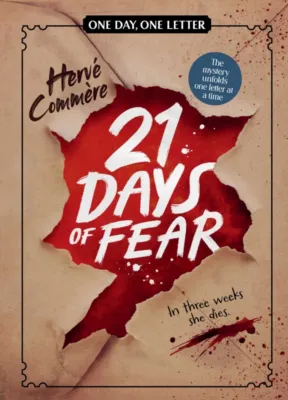
Prices are valid at publication and may change. Please refer to the product page for the latest price.
However, completing a program like this requires setting realistic expectations regarding your daily commitment. You must be prepared to dedicate time not only to reading but also to honest self-reflection and physical action. Some days may require writing down deeply personal thoughts, while others might ask you to engage in uncomfortable social interactions. Consistency is key; skipping days or rushing through the exercises to finish the book quickly will significantly diminish its practical value.
Evaluating Fit for Your Personal Courage and Fear Goals
Before purchasing the book, it is essential to align its methodology with your specific developmental goals. There is a vast difference between building everyday courage and addressing clinical psychological conditions. 21 Days of Fear is designed for the former, helping readers navigate common barriers like social awkwardness, fear of rejection, or hesitation in making major life transitions. It provides a framework for expanding your comfort zone through voluntary, controlled exposure to minor stressors.

This active exposure method is highly effective for building long-term psychological resilience. Passive reading can create an illusion of progress, where you understand the theory of courage but remain unable to apply it when real-world opportunities arise. By forcing you to take immediate, actionable steps, the book helps bridge the gap between intellectual understanding and behavioral change. Over time, repeatedly facing small discomforts trains your brain to tolerate uncertainty and reduces the power that fear holds over your daily choices.
Despite these benefits, you must recognize the inherent limitations of any self-guided program. A book cannot diagnose or treat deep-rooted trauma, severe phobias, or complex anxiety disorders. If your fear is accompanied by physical symptoms like panic attacks, chronic hyperventilation, or overwhelming avoidance behaviors that disrupt your daily life, a self-help book is not the appropriate starting point. In these cases, the structured exercises may feel overwhelming or counterproductive without professional guidance.
Pre-Purchase Checklist: Formats, Editions, and Accessibility
To get the most out of your purchase, take a moment to verify the specific edition, language, and format of the book. Because self-help titles are often published in multiple editions or translated for different markets, ensure you are buying the version that matches your language preferences and reading level. Additionally, check for any regional restrictions if you are purchasing digital or audio versions from international online marketplaces, as licensing agreements can sometimes limit access to companion media.
Choosing the right format is crucial for maintaining consistency throughout the 21-day challenge. A physical paperback is often the most practical choice for action-oriented books, as it allows you to write directly in the margins, highlight key passages, and complete written exercises on the page. If you prefer digital reading, an e-book offers portability and instant access, but you will need to keep a separate journal or notebook nearby to complete the daily writing prompts.
Audiobooks are excellent for multi-tasking during commutes or daily chores, but they present unique challenges for interactive programs. If you choose the audio format, verify whether it includes a downloadable PDF companion containing the daily exercises and worksheets. Without these supplementary materials, you may find it difficult to follow the structured daily tasks, which can disrupt the flow of the 21-day program.
Strategies to Maximize Practical Value During the Challenge
To ensure the book delivers measurable personal growth, you should establish a clear strategy before reading the first page. Start by measuring your current comfort zone and identifying your specific fear triggers. Write down the situations that consistently cause you hesitation or anxiety, rating them on a simple scale of discomfort. This baseline will allow you to track your progress objectively as you move through the daily exercises and look back on how your responses change over the three-week period.
Next, design a realistic daily schedule that accommodates both the reading and the practical exercises. Rushing through a daily challenge during a busy commute or late at night when you are exhausted will limit your emotional engagement. Instead, block out a dedicated 20-to-30-minute window each day when you can focus entirely on the tasks without distraction. Treating these sessions as non-negotiable appointments with yourself helps build the discipline required to complete the program.
Finally, prepare yourself for inevitable setbacks. Some daily challenges may feel too intense, or unexpected life events might disrupt your schedule. Rather than adopting an “all-or-nothing” mindset and abandoning the book entirely, allow yourself to adjust the pace. If a specific task feels overwhelming, it is perfectly acceptable to spend two or three days working through it before moving on to the next step. The goal is sustainable behavioral change, not rigid adherence to a calendar.
Recognizing Limits: When to Seek Alternatives or Professional Support
While self-improvement literature can be an excellent catalyst for personal growth, it is vital to understand its boundaries. Self-guided fear management is designed for healthy individuals looking to optimize their lives, not as a treatment plan for clinical conditions. If you experience severe physical symptoms of anxiety, persistent feelings of hopelessness, or find that your fears are severely limiting your ability to work or maintain relationships, these are clear signs that a book alone is insufficient.
In such situations, alternative formats may offer better support. Guided cohort courses or community-based workshops provide real-time feedback, peer support, and professional moderation, which can help you navigate difficult emotional terrain more safely than working in isolation. These environments allow you to share your experiences and receive encouragement from others facing similar challenges, reducing the isolation that often accompanies deep-seated fears.
Ultimately, it is important to distinguish between the role of a self-help book and that of a licensed therapist or counselor. A book can offer strategies, frameworks, and encouragement for general habit building and everyday courage. A licensed professional, however, is trained to diagnose clinical anxiety, identify underlying trauma, and tailor evidence-based therapeutic interventions to your unique psychological profile. Knowing when to transition from self-guided reading to professional support is a crucial step in protecting your long-term mental well-being.
Frequently Asked Questions (FAQ)
Can a 21-day self-help book replace professional therapy for severe anxiety?
No, a self-help book cannot replace professional therapy, medication, or clinical treatment for diagnosed anxiety disorders. These books are designed for personal development, habit building, and overcoming everyday hesitations. If you are dealing with severe anxiety, clinical phobias, or trauma, you should consult a licensed mental health professional who can provide personalized, evidence-based care.
What should I do if I miss a day during the 21-day challenge?
If you miss a day, avoid the temptation to abandon the challenge or try to double up on exercises the following day. Simply resume the program where you left off, focusing on long-term consistency rather than perfect adherence to a rigid timeline. Practicing self-compassion and maintaining a steady, manageable pace is far more beneficial for building lasting resilience than forcing yourself through a strict calendar.

Community discussion
Share your experience or ask a question. Comments are reviewed before publication.