
Starting your musical journey is an exciting step, but choosing your first instrument can feel overwhelming. Lekato has emerged as a prominent name on various online marketplaces, offering highly affordable acoustic and electric guitars designed specifically for beginners. While these instruments are highly accessible, determining if they are right for you depends on understanding what you are buying and how to evaluate an entry-level instrument.
A budget-friendly guitar can be an excellent tool for a beginner, provided it meets basic standards of playability and structural integrity. Because these instruments are manufactured to meet low price points, buyers must approach them with realistic expectations and a willingness to perform basic inspections. By learning how to assess specifications, build quality, and setup requirements, you can make an informed decision that supports your learning goals without overspending.
Understanding the Brand's Market Position
Lekato operates primarily as a direct-to-consumer brand, utilizing global supply chains to offer musical instruments and accessories directly to consumers through ecommerce platforms. This business model minimizes traditional retail markups, allowing the brand to offer instruments at highly competitive prices. However, this also means that the buyer assumes more responsibility for verifying product details and managing the initial setup of the instrument.
Products mentioned in this guide
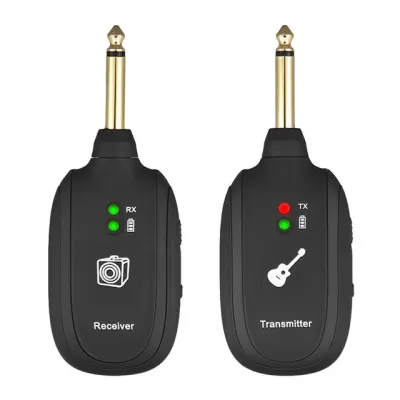
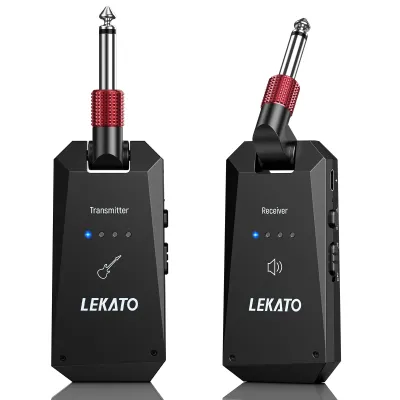
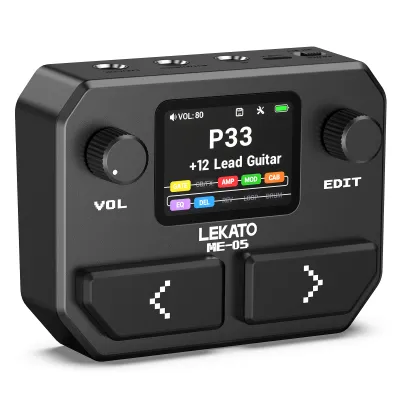
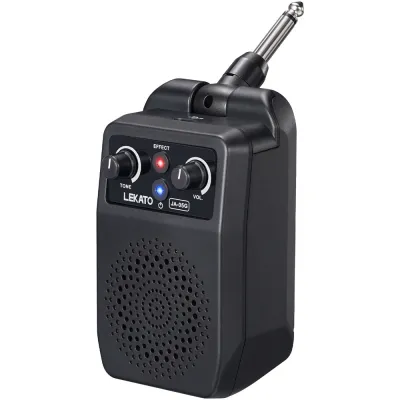
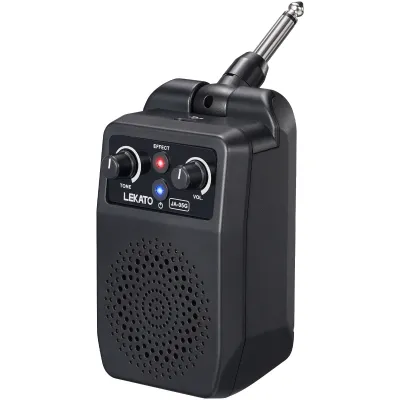
Prices are valid at publication and may change. Please refer to the product page for the latest price.
To ensure you know exactly what you are purchasing, it is essential to verify the specifications of any model on the manufacturer’s official store or authorized retail listings. Pay close attention to the materials listed, such as laminate woods for acoustic models or specific tonewoods like basswood for electric bodies. Because product descriptions on online marketplaces can sometimes be generic, cross-referencing details across multiple authorized listings helps confirm the exact hardware and dimensions of the guitar.
At entry-level price points, setting realistic expectations is key to avoiding disappointment. Budget instruments are designed to be functional tools for learning, meaning they will not possess the complex tonal resonance, premium hardware, or flawless cosmetic finishes of high-end guitars. Instead, focus on whether the instrument can hold its tune, offer comfortable playability, and produce a clear, consistent sound that allows you to practice basic chords and techniques effectively.
Evaluating Playability for New Players
Playability is the most critical factor for any beginner guitar, as an instrument that is painful or difficult to play will quickly discourage a new student. When browsing specifications, look closely at the neck profile and fretboard radius. A modern ‘C’ shape neck profile is generally preferred for beginners because it fits comfortably in a wide variety of hand sizes, facilitating easier thumb placement and chord formation.

Another vital specification to verify is the factory string action, which refers to the height of the strings above the fretboard. Budget guitars often ship with higher action to prevent fret buzz during transit, but high action requires significant finger pressure to press down the strings, leading to rapid hand fatigue. Beginners should expect that a budget instrument may require a professional setup—where a technician adjusts the truss rod, nut, and bridge—to lower the action to a comfortable playing level.
Physical compatibility with the instrument’s size is also crucial for comfortable practice sessions. Compare the scale length—the distance between the nut and the bridge—and the overall body shape against your physical size and reach. For instance, a full-sized dreadnought acoustic guitar might feel cumbersome for younger players or those with smaller frames, making a concert-sized body or a short-scale electric guitar a much more manageable choice for daily practice.
Assessing Build Quality and Hardware
Evaluating the physical construction of a budget guitar requires a systematic approach, focusing on components that directly impact tuning stability and longevity. Begin by researching the tuning machines and bridge type listed in the product specifications. For electric models, a fixed bridge is highly recommended for beginners because it offers superior tuning stability and is much easier to restring and tune than a tremolo or floating bridge system.
Fretwork is another area where budget manufacturing can show variance, making it a critical point of evaluation. Look for user feedback regarding ‘fret sprout’, a condition where the wood of the fretboard shrinks slightly, causing the metal fret ends to protrude and feel sharp to the touch. While minor fret sprout can be filed down by a professional, choosing a model with consistently positive reviews regarding fret finishing will save you maintenance hassle.
Finally, assess the overall structural integrity by examining the listed materials and construction methods. A bolt-on neck joint is standard and highly reliable for budget electric guitars, offering easy adjustment and repair if needed. For acoustic models, ensure the top, back, and sides are made of durable laminate woods, which are less sensitive to changes in humidity and temperature than solid wood, making them highly resilient for household use.
Deciding If This Brand Matches Your Learning Goals
A budget-friendly instrument is a highly practical starting point for casual hobbyists or individuals who want to test their interest in the guitar without making a significant financial commitment. If your primary goal is to learn basic open chords, play along with favorite songs, or determine if you have the dedication to stick with the instrument, a budget guitar provides a low-risk entry point. It allows you to develop initial finger strength and muscle memory without a large upfront investment.
However, if you have specific genre requirements or aspire to master advanced techniques quickly, you may eventually outgrow an entry-level instrument. Genres that rely heavily on precise tremolo work, high-gain clarity, or intricate fingerstyle dynamics often demand higher-tier hardware, specialized pickups, or superior acoustic resonance. Recognizing these needs early can help you decide whether to start with a budget model or save for an intermediate instrument.
When planning your purchase, remember to factor the total cost of ownership into your budget rather than looking solely at the price of the guitar. A successful learning experience often requires budgeting for a professional setup, a set of high-quality replacement strings, an electronic tuner, a gig bag, and a small practice amplifier if you choose an electric model. Allocating a portion of your budget to these essentials ensures your instrument is comfortable to play and ready for consistent practice.
Inspection Checklist Upon Delivery
When your guitar arrives, performing a thorough visual and physical inspection immediately after unboxing is essential to ensure it is in playable condition. Carefully examine the body, neck, and headstock for any signs of shipping damage, such as cracks in the wood, deep scratches in the finish, or loose joints. Pay close attention to the neck-to-body joint and the headstock area, as these are the most vulnerable points during transit.
For electric models, plug the instrument into an amplifier to test the electronics and controls. Turn the volume and tone knobs slowly to check for any scratchy static noises, which can indicate dust or poor soldering in the potentiometers. Flip the pickup selector switch through all positions to ensure each pickup activates correctly, and gently wiggle the instrument cable at the output jack to verify the connection is tight and does not cut out.
If you discover any structural defects, unplayable action, or electronic issues during your inspection, document them immediately with photos or video. Review the return and exchange policies of the online marketplace or retailer where you made the purchase, as most platforms offer a limited window for hassle-free returns on defective items. Having this documentation ready will streamline the process of securing a replacement or refund.
Frequently Asked Questions (FAQ)
Do I need to upgrade my guitar as my skills improve?
As your playing skills advance, you will likely reach a point where your technique outgrows the capabilities of an entry-level instrument. You might notice that the tuning stability limits your practice, or that you desire a richer, more nuanced tone that the budget materials cannot produce. When these limitations begin to hinder your progress, it is time to consider an upgrade.
While some players choose to upgrade individual components—such as installing higher-quality tuning machines or premium pickups—this is not always cost-effective for budget guitars. Often, the cost of parts and labor can exceed the value of the instrument itself. In most cases, saving those funds to purchase a well-constructed intermediate guitar is a more practical long-term investment.
Are acoustic and electric models equally suitable for first-time buyers?
Both acoustic and electric guitars are suitable for beginners, but they offer very different physical experiences and setup requirements. Acoustic guitars typically have thicker steel strings and higher tension, which can be more challenging for a beginner’s fingers initially and require more time to build calluses. However, they are highly portable and do not require any additional equipment to play.
Electric guitars, on the other hand, feature thinner strings and lower tension, making them physically easier to play for new students. They also have narrower necks, which can make forming chords more comfortable for smaller hands. Keep in mind that an electric guitar requires additional gear, such as a practice amplifier and an instrument cable, to be heard properly, which will increase your initial startup costs.

Community discussion
Share your experience or ask a question. Comments are reviewed before publication.