
Quick Answer: Who Benefits Most from 'Aftershock'?
The non-fiction book Aftershock is designed primarily for individuals navigating significant life transitions, unexpected career pivots, or deep emotional resets. It serves as a structured, self-guided tool for reflection, helping you map out a path forward when your familiar foundations have been shaken.
However, it is essential to establish realistic expectations: a self-improvement book is an analytical and reflective aid, not a substitute for professional clinical therapy, medical treatment, or crisis intervention. Your primary decision when considering this book is whether its specific methodology matches your current emotional bandwidth and personal recovery goals.
Identify Your Challenge: What Kind of Setback Are You Navigating?
In a personal context, an “aftershock” represents the lingering disorientation, anxiety, and identity shifts that ripple out long after a major disruptive event has occurred. While the initial crisis may have passed, the psychological and practical fallout often persists, leaving you feeling untethered. Before evaluating any recovery literature, pause and write down your top three current stressors. Clarifying these primary needs will help you determine if a general recovery guide can address your specific situation.
Products mentioned in this guide
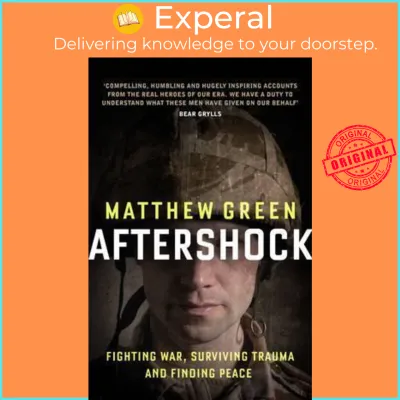
Prices are valid at publication and may change. Please refer to the product page for the latest price.

Career Disruption and Professional Identity Loss
A sudden job loss, a forced career pivot, or severe professional burnout can dismantle more than just your monthly income; it often shatters your sense of purpose. When daily routines and professional titles disappear, the emotional toll can manifest as a profound loss of identity.
To determine if Aftershock is the right fit, assess whether your primary need is emotional recalibration or immediate, tactical career advice. If you require assistance rebuilding your self-worth and managing the anxiety of uncertainty, a reflective recovery book is highly appropriate. Conversely, if you need immediate practical steps like resume drafting, industry-specific networking strategies, or Singapore employment law advice, you should seek specialized career coaching or tactical job-hunting manuals instead.
Emotional Crises and Personal Recalibration
Navigating personal grief, the end of a long-term relationship, or a profound personal loss requires a delicate and structured approach to emotional processing. During these periods, the challenge lies in rebuilding a coherent sense of self while managing complex, often conflicting emotions.
Before purchasing Aftershock, evaluate your current emotional capacity for reflective reading. Books that require deep introspection can be highly beneficial when you are ready to process your experiences. However, if you are currently experiencing acute distress or find that quiet reflection intensifies your anxiety, your immediate priority should be real-world support systems, such as family, friends, or local counselling services, rather than self-guided literature.
Sudden Life Transitions and Lifestyle Shifts
Major life changes do not have to be negative to cause significant disorientation. Relocating to a new country like Singapore, transitioning to retirement, or experiencing sudden shifts in family dynamics—such as empty nesting—can disrupt your established lifestyle and social networks.
In these scenarios, the primary challenge is adapting to a “new normal” and redefining your daily purpose. A post-transition recovery book can provide a helpful framework for managing this adjustment. Assess whether you are looking for structural guidance to navigate this transition phase, as this is where reflective non-fiction literature offers the greatest value.
Match Your Recovery Style: How to Evaluate the Book's Approach
Recovery and self-improvement are deeply personal processes, meaning a book that works wonders for one person might feel completely unhelpful to another. Some readers thrive on rigorous, evidence-based academic frameworks, while others find solace in empathetic storytelling and personal anecdotes.
To ensure Aftershock aligns with your learning style, perform a quick pre-purchase inspection of its structure and background. Examining the table of contents, reading the introduction, and researching the author’s biography will help you verify if the book’s methodology matches your current cognitive needs.
Action-Oriented Frameworks vs. Reflective Journaling
When inspecting the book’s preview pages, look closely at how the chapters are structured. Determine whether the text relies heavily on step-by-step action plans, structured worksheets, and measurable milestones, or if it leans toward open-ended journaling prompts and philosophical reflections.
Your current cognitive load should dictate this choice. If you are experiencing high levels of stress or decision fatigue, you may find comfort in highly structured, simple, and actionable steps. On the other hand, if you have the emotional space for deeper, unstructured introspection, a more reflective and journal-focused format will be more rewarding.
Author Credibility: Clinical, Experiential, or Motivational?
An author’s professional background fundamentally shapes the perspective, authority, and tone of their advice. Before committing to Aftershock, research whether the author is a licensed clinical psychologist, a corporate business coach, a journalist, or an individual sharing their personal memoir of survival.
Align this background with your expectations for guidance. Clinical authors typically offer evidence-based psychological tools, cognitive behavioral strategies, and scientific validation. Experiential or motivational authors, while lacking clinical credentials, often provide deep empathy, highly relatable case studies, and practical encouragement that can make you feel less isolated in your journey.
Tone and Pacing: Finding the Right Voice for Your Healing
The emotional tone of a self-help book can either accelerate your healing or alienate you entirely. Before purchasing, read the first chapter or listen to an online audiobook sample to gauge the author’s voice.
Consider whether the writing style is gentle, slow-paced, and academic, or if it is highly motivational, energetic, and direct. Avoid choosing a “tough love” or aggressively urgent motivational tone if you are currently in a fragile emotional state, as this approach can inadvertently increase your stress rather than alleviate it.
When to Skip 'Aftershock': Signs You Need a Different Resource
While self-help literature can be an excellent companion for personal growth, it has clear limitations. Recognizing when a general recovery book is insufficient or inappropriate for your circumstances is a crucial step in protecting your well-being.
Clinical Red Flags: If you are experiencing severe trauma, clinical depression, active addiction, or thoughts of self-harm, a non-fiction book is not the correct first step. These complex conditions require specialized, personalized intervention from licensed mental health professionals. In Singapore, you can access immediate support through established crisis helplines, such as the Samaritans of Singapore (SOS) or the Institute of Mental Health (IMH) emergency services. Do not rely on a book to resolve acute psychological crises.
Mismatched Problem Types: If the “aftershock” you are experiencing is primarily logistical, legal, or financial rather than emotional, a self-improvement book will not provide the answers you need. Navigating complex legal disputes, corporate restructuring, or bankruptcy requires specialized professional counsel and technical manuals. Emotional recovery literature cannot resolve structural, real-world logistical complications, and attempting to apply philosophical solutions to technical problems will only lead to frustration.
Alternative Genres: If you find that the reflective style of Aftershock does not suit your needs, consider alternative reading paths. For building mental resilience without emotional processing, Stoic philosophy offers practical, logical frameworks. If your primary goal is to reconstruct your daily routine after a disruption, focus on habit-building literature. If you are managing a specific, diagnosed psychological condition, seek out clinical workbooks written by licensed therapists that feature targeted cognitive behavioral therapy (CBT) exercises.
Pre-Purchase Checklist: Verifying Editions, Formats, and Availability
Before purchasing Aftershock, taking a few practical verification steps will ensure you receive the correct version and format for your specific needs, protecting both your time and your budget.
- Verify the Edition and Publication Date: Check the publication year and edition of the book. For recovery literature addressing modern stressors—such as digital burnout, remote work challenges, or recent global economic shifts—an older edition may lack relevant context or updated resources. Ensure the edition you select matches the modern challenges you are facing.
- Choose the Right Format: Consider your current cognitive state when selecting a medium. Audiobooks are highly recommended if you experience screen fatigue or find reading visually taxing during periods of high stress. eBooks are ideal if you want to highlight key passages, search for specific terms, or read discreetly. Physical copies remain the best choice if you prefer a tactile experience, want to minimize screen time, or intend to write directly in the margins as part of your journaling practice.
- Check Language and Regional Restrictions: Ensure the book is available in your preferred language and that there are no regional digital restrictions preventing you from downloading the eBook or audiobook in Singapore.
- Purchase from Authorized Sources: To guarantee content completeness and print quality, purchase your copy from established local bookstores in Singapore or authorized online retailers. Avoid unauthorized digital downloads or suspiciously cheap physical copies, which often suffer from poor printing, missing pages, or formatting errors that can disrupt your reading experience.
Frequently Asked Questions (FAQ)
Can a self-help book replace professional therapy during a crisis?
No, a self-help book cannot replace professional therapy. While non-fiction books offer valuable frameworks, coping strategies, and comfort, they lack the interactive, personalized diagnosis and clinical expertise of a licensed therapist. If you are experiencing an acute emotional or mental health crisis, prioritize seeking help from a qualified counselor or clinical psychologist who can tailor support to your specific situation.
How do I know if I should read the physical book or listen to the audiobook?
Your choice should depend on your current cognitive state and lifestyle. If you find it difficult to concentrate on printed text or suffer from high stress and screen fatigue, the audiobook format allows you to absorb the content passively while resting or walking. However, if you prefer to actively highlight key concepts, take detailed notes, or complete written reflective exercises, a physical copy is much more effective.
What if the book's case studies don't match my specific situation?
If the specific case studies in the book do not mirror your personal circumstances, focus on the underlying emotional patterns and structural frameworks the author describes. The core principles of recovery—such as managing uncertainty, processing identity shifts, and rebuilding daily routines—are highly adaptable. Translate the author’s broader lessons to your own life rather than looking for an exact situational match.
Community discussion
Share your experience or ask a question. Comments are reviewed before publication.