
If you have recently experienced a major life disruption, finding a clear path forward can feel overwhelming. The self-help book ‘Aftershock’ promises to guide readers through the emotional and practical fallout of such crises. But does it deliver genuine, actionable value, or is it merely another collection of motivational platitudes? The short answer is that ‘Aftershock’ is worth reading if you are currently in a stable, reflective phase of recovery and want a structured way to process your experiences. However, if you are in the midst of an acute crisis or dealing with severe trauma, this book is not a suitable substitute for professional mental health support.
Evaluating a self-help book requires looking past the marketing slogans to understand what the text actually offers. When navigating the aftermath of a crisis, your emotional energy is a scarce resource, and spending it on the wrong material can lead to frustration or even deeper distress. This review provides an honest, safety-first evaluation of ‘Aftershock’, helping you decide whether to invest your time and energy into its pages or seek alternative resources.
What 'Aftershock' Actually Covers and Who It Targets
The book ‘Aftershock’ focuses on the metaphorical tremors that follow a massive shift in your life. It targets individuals who have survived the initial impact of a crisis—such as a sudden career loss, a painful relationship breakdown, or a major health scare—and are now left with the daunting task of piecing their daily existence back together. Rather than focusing on the crisis event itself, the narrative centers on the secondary phase of recovery: the period of emotional recalibration, practical rebuilding, and identity reconstruction.
Products mentioned in this guide
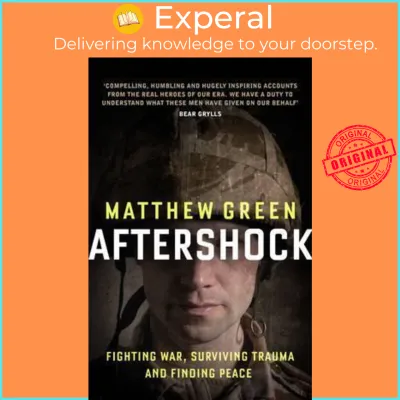


Prices are valid at publication and may change. Please refer to the product page for the latest price.
This target reader profile is distinct from someone in immediate danger or shock. The book assumes you have reached a point of physical safety and basic stability, but are struggling with the quiet, ongoing challenges of redefining who you are. It addresses the emotional fatigue of starting over, the difficulty of establishing new routines, and the psychological weight of letting go of your pre-crisis life. If your current situation aligns with this transitional phase, the book’s scope may match your recovery needs.
Before purchasing a copy, it is highly recommended to verify the specific edition, language, and format that best suits your needs. Self-help literature is frequently updated to incorporate newer psychological research, so look for the latest revised edition to ensure you receive the most current frameworks. Consider whether a physical paperback, an e-book, or an audiobook is most accessible for you, especially if you plan to complete written exercises. Additionally, verify the authorized source and regional availability in Singapore to ensure you receive a complete, high-quality copy without missing chapters or poor formatting.
Practical Tools vs. Motivational Hype: Evaluating the Content
To evaluate whether ‘Aftershock’ is a practical tool or just motivational hype, you must look closely at its core frameworks. A high-quality self-help book should offer structured exercises rather than vague encouragement. Look for specific journaling prompts that encourage deep self-reflection, cognitive reframing templates that help you challenge negative thought patterns, and actionable routine-building schedules. These tools allow you to apply the book’s concepts directly to your life, turning passive reading into active healing.

It is equally important to separate verified psychological concepts from marketing exaggerations. Reliable self-help books often draw from established therapeutic modalities, such as Cognitive Behavioral Therapy (CBT), Acceptance and Commitment Therapy (ACT), or mindfulness-based stress reduction. If the book presents these concepts clearly and realistically, it can be a valuable asset. Be cautious of chapters that promise ‘quick fixes’ or guaranteed, rapid transformations, as genuine recovery from a crisis is a gradual, non-linear process that cannot be rushed by a single book.
Evaluate the overall depth of the content by analyzing the balance between anecdotal storytelling and structured guidance. While personal stories can offer comfort and validation, they should serve to illustrate practical points rather than dominate the text. A book that relies too heavily on anecdotes may leave you feeling inspired but without a clear action plan. Ultimately, understand that self-help books provide frameworks for reflection and habit adjustment, not universal solutions or absolute cures for deep-seated psychological trauma.
When to Read It and When to Put It Down
Timing plays a critical role in how you receive self-help literature. The ideal scenario for reading ‘Aftershock’ is during a stable recovery phase. This is the period when the immediate crisis has resolved, your daily routine has stabilized, and you have the emotional capacity to engage in self-reflection. In this space, the book’s exercises can help you gain new perspectives, build resilience, and consciously design your next steps.
However, there are clear conditions under which you should skip this book and seek professional help instead. If you are experiencing acute distress, active severe trauma, or symptoms of Post-Traumatic Stress Disorder (PTSD)—such as intrusive memories, severe anxiety, or emotional numbing—reading about crisis recovery can be highly counterproductive. During these intense phases, your nervous system is overloaded, and attempting to process complex emotional material on your own can lead to further distress.
Relying solely on a self-help book when you require clinical intervention carries significant risks. Books are static resources; they cannot adapt to your unique psychological needs, monitor your safety, or offer personalized feedback. If you find yourself struggling to function in your daily life, experience persistent feelings of hopelessness, or feel overwhelmed by your emotions, it is crucial to step away from the book and consult a qualified mental health professional who can provide tailored, interactive care.
Safety Boundaries for Reading About Trauma and Crisis
Engaging with material about life crises requires active safety strategies to prevent emotional overload or re-traumatization. Establish a strict pacing strategy before you begin. Avoid the temptation to rush through the book; instead, read in short, manageable segments. Give yourself permission to read only a few pages or a single sub-section at a time, allowing your mind and body to digest the material before moving forward.
Learn to recognize your personal emotional limits while reading. Pay close attention to physical warning signs of distress, such as a sudden tightness in your chest, a rapid heart rate, shallow breathing, or a feeling of emotional numbness. If you notice any of these symptoms, treat them as a signal to close the book immediately. Step away from the reading environment, engage in a soothing activity, and do not return to the book until you feel fully grounded and calm.
Consider pairing your reading experience with an active support system. You do not have to process the book’s concepts in isolation. Share your thoughts and insights with a trusted friend, a supportive family member, or a professional counselor. Discussing the exercises and your reactions to them can help you process complex emotions more safely and keep you grounded in reality. Remember that your immediate mental well-being must always take priority over your desire to finish the book.
Alternative Resources for Different Recovery Stages
Different stages of your recovery journey require different types of support, and a single book like ‘Aftershock’ may not meet all your needs. If you require highly structured, practical exercises but are not ready for therapy, consider clinical workbooks. Workbooks based on Cognitive Behavioral Therapy (CBT) or Dialectical Behavior Therapy (DBT) offer evidence-based, step-by-step exercises designed to help you manage specific symptoms like anxiety, depression, or emotional dysregulation.
If you are seeking emotional validation and a sense of shared humanity rather than practical exercises, memoirs of survival and resilience may be more appropriate. Reading about how others navigated similar life disruptions can reduce feelings of isolation and offer hope, without the pressure of completing homework or self-assessment tasks. These narratives can be incredibly comforting during the early, fragile stages of grief or recovery.
When self-help materials prove insufficient, it is time to transition to professional support. In Singapore, there are numerous accessible avenues for mental health care. You can reach out to local Family Service Centres (FSCs) for community-based counseling, seek private licensed therapists, or contact established helplines such as the Samaritans of Singapore (SOS) or the Institute of Mental Health (IMH) for immediate crisis support. Recognizing that a book has limits and seeking human connection is a profound sign of strength.
Final Verdict: Should You Read 'Aftershock'?
Ultimately, ‘Aftershock’ is a worthwhile investment of your time and emotional energy if you are in a stable, post-crisis phase and actively seeking a structured framework for self-reflection and practical rebuilding. It offers valuable tools to help you navigate identity shifts and establish new routines after a major life disruption.
However, if you are currently navigating an acute crisis or dealing with unmanaged, severe trauma, you should bypass this book. In these situations, prioritize professional mental health services and personalized clinical care. Use self-help literature as a helpful, supplementary tool to enhance your recovery journey, but never as a standalone replacement for professional support.
Frequently Asked Questions (FAQ)
Can 'Aftershock' replace professional therapy?
No self-help book, including ‘Aftershock’, can replace professional therapy, psychiatric evaluation, or clinical treatment. While books offer valuable general frameworks and coping exercises, they lack the capacity to diagnose mental health conditions, provide personalized feedback, or manage acute crises. A licensed therapist offers an interactive, safe environment tailored specifically to your unique psychological needs and history.
What should I do if a chapter triggers severe anxiety?
If you experience severe anxiety or distress while reading, close the book immediately and set it aside. Do not force yourself to finish the section. Focus on grounding yourself by using deep, slow breathing techniques or focusing on your physical surroundings—such as naming five things you can see and four things you can touch. If the feelings of distress or anxiety persist, reach out to a trusted support person or a mental health professional for assistance.
How do I know if a self-help book is based on sound psychology?
To evaluate the psychological credibility of a self-help book, start by researching the author’s credentials. Look for advanced degrees in psychology, counseling, or social work, as well as active clinical licenses or recognized academic positions. Additionally, check the book’s bibliography or notes section for citations of peer-reviewed studies, established psychological theories, or endorsements from reputable mental health organizations, which indicate that the content is evidence-based.
Community discussion
Share your experience or ask a question. Comments are reviewed before publication.