
Quick Answer: Is It Worth Your Time?
Evaluating whether a self-improvement book lives up to its global reputation requires looking past the bestseller lists and focusing on practical utility. Atomic Habits by James Clear is widely considered a modern classic in personal development, and for most readers, it is absolutely worth the time. The book delivers a highly structured, actionable blueprint for anyone looking to build positive routines or dismantle destructive patterns. However, its value is conditional on what you hope to achieve; it is a manual for behavioral mechanics, not a guide for deep emotional or psychological transformation.
If you find yourself repeatedly setting goals only to abandon them within a few weeks, this book offers the exact structural framework you need to bridge the gap between intention and action. It shifts the focus from fleeting motivation to reliable, daily systems. Conversely, if you are seeking profound philosophical insights, coping mechanisms for trauma, or instant inspiration to change your life overnight, you may find the book’s highly pragmatic, almost mechanical approach somewhat dry or incomplete.
Core Framework: What the Book Actually Teaches
The foundational premise of Atomic Habits rests on the concept of marginal gains—the idea that making tiny, seemingly insignificant improvements of just one percent every day compounds into massive shifts over time. Clear uses mathematical logic to illustrate how these small daily choices accumulate, demonstrating that consistency matters far more than intensity. This perspective reframes habit formation not as a series of dramatic life overhauls, but as a continuous process of minor adjustments.
Products mentioned in this guide
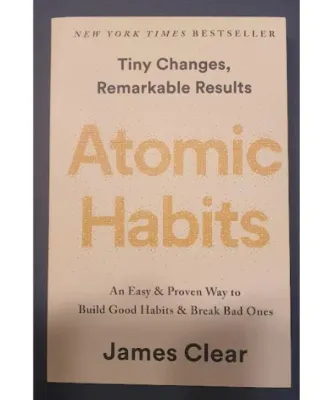
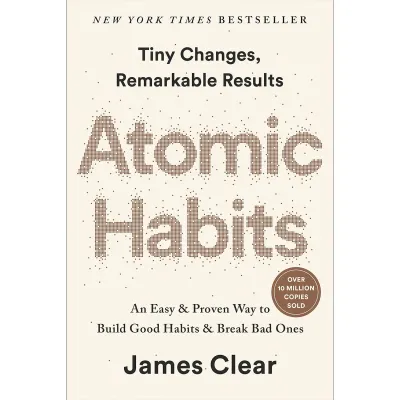
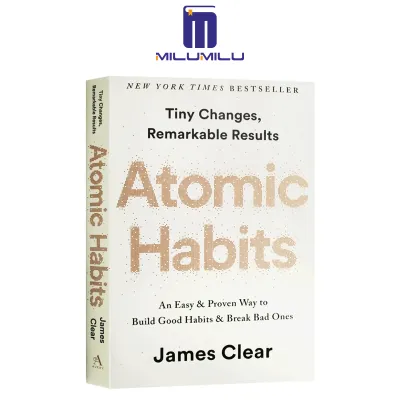
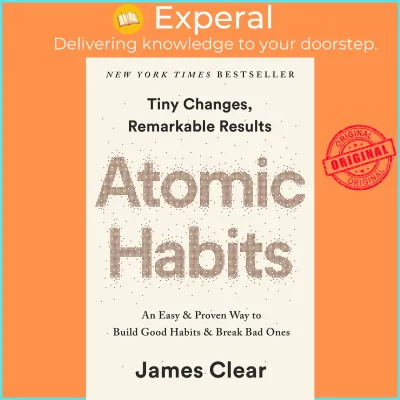
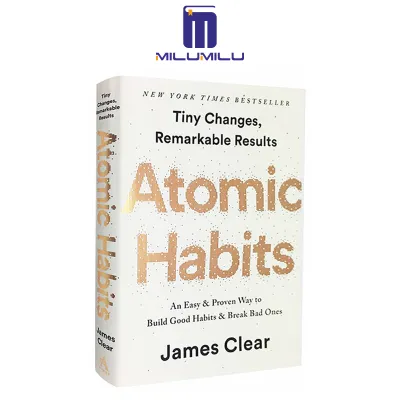
![[ready stock ] Atomic Habits:Establish A Good Habit English Original](https://img.lazcdn.com/g/p/2200d28e1723dc0621cd45277dae0165.jpg_400x400q80.jpg_.webp)

Prices are valid at publication and may change. Please refer to the product page for the latest price.

To help readers implement these adjustments, the book introduces the Four Laws of Behavior Change, which correspond to the four stages of a habit loop: cue, craving, response, and reward. To build a good habit, you must make the cue obvious, make the craving attractive, make the response easy, and make the reward satisfying. Conversely, to break a bad habit, you invert these rules: make the cue invisible, make the craving unattractive, make the response difficult, and make the reward unsatisfying. This practical matrix allows readers to diagnose exactly where their current routines are failing.
Another pivotal concept is the shift from outcome-based goals to identity-based habits. Clear argues that most people fail to sustain change because they focus on what they want to achieve rather than who they wish to become. By aligning your daily actions with your desired identity, every small habit becomes a vote for the type of person you want to be, making long-term adherence much more natural.
Finally, the book emphasizes systems over goals. While goals are useful for setting a direction, systems are the actual processes that lead to those results. Clear asserts that we do not rise to the level of our goals; we fall to the level of our systems. By focusing on optimizing the daily environment and workflow, readers can achieve progress without relying solely on willpower, which is a finite and unreliable resource.
Who Will Benefit Most from This Book?
This book is exceptionally well-suited for individuals who struggle to maintain daily routines, whether they are trying to establish a regular exercise regimen, dedicate time to reading, or master a new language. The step-by-step nature of the advice removes the guesswork from habit formation, providing clear instructions on how to design an environment that supports positive behaviors. If you need a concrete plan rather than vague encouragement, the practical templates and rules in this book will resonate strongly.
Professionals aiming to optimize their productivity and streamline their daily workflows will also find immense value in these pages. The strategies for reducing friction and eliminating distractions are highly applicable to modern office environments and remote work setups. By learning how to stack habits—pairing a new habit with an existing one—busy professionals can seamlessly integrate positive changes into their already packed schedules without feeling overwhelmed.
Furthermore, readers who prefer actionable, evidence-based systems over abstract motivational theories will appreciate Clear’s analytical approach. The book synthesizes complex concepts from biology, psychology, and neuroscience into simple, practical steps. If you are tired of self-help books that offer nothing but empty platitudes and instead want a manual that tells you exactly what to do on Monday morning, this book is designed for you.
Limitations: When to Skip or Look for Alternatives
Despite its widespread acclaim, Atomic Habits is not a universal solution for every personal development challenge. One potential drawback is that a rigid focus on habit tracking and daily streaks can sometimes lead to unnecessary stress, guilt, or burnout. For some individuals, obsessing over maintaining a perfect record can detract from the joy of the activity itself, turning hobbies or self-care routines into sources of performance anxiety.
Additionally, it is crucial to distinguish between simple habit formation and addressing deep-rooted behavioral or mental health issues. While the book’s mechanics work well for establishing routine behaviors, they are not designed to resolve complex psychological challenges, trauma, or clinical conditions like chronic procrastination driven by anxiety. In such cases, relying solely on behavioral hacks can act as a temporary band-aid rather than addressing the underlying emotional causes, which often require professional guidance.
Finally, readers who thrive on spontaneity, creative exploration, or unstructured flows may find the highly regimented systems restrictive. If your work or lifestyle benefits more from deep, uninterrupted blocks of creative thinking or intuitive decision-making, a highly structured habit loop might feel stifling. For those individuals, alternative approaches focusing on mindfulness, deep work, or flexible scheduling may offer a more compatible path to personal growth.
Buying Guide: How to Choose the Right Format
When deciding to purchase Atomic Habits, selecting the right format can significantly impact how well you retain and apply the information. A physical paperback or hardcover edition is highly recommended for readers who prefer to actively engage with the text. The book contains numerous diagrams, charts, and summary tables that are much easier to reference, highlight, and annotate in a physical format, making it a valuable reference manual to keep on your desk.
For those with busy lifestyles or long daily commutes, such as traveling on the MRT in Singapore, the e-book format offers unmatched convenience. It allows you to carry the entire text on a lightweight device, adjust font sizes for comfortable reading, and quickly search for specific keywords or concepts when you need a quick refresher. Most e-readers also support basic highlighting and note-taking features, though they lack the tactile ease of a physical copy.
The audiobook version, narrated by the author himself, is an excellent choice for passive learning during daily chores, exercise, or commutes. However, because the book is highly actionable and contains visual frameworks, audiobook listeners may find it more difficult to take notes or review the diagrams. If you choose the audio format, check if the retailer provides an accompanying PDF containing the book’s visual aids.
Before making a purchase, verify the current prices and availability at authorized local bookstores or reputable online marketplaces. In Singapore, a physical copy typically ranges from S$20 to S$35 depending on the binding and edition. Be sure to check for official editions and avoid unauthorized reproductions to ensure you receive the complete text, high-quality printing, and access to any supplementary digital resources or workbooks offered by the publisher.
Frequently Asked Questions (FAQ)
How long does it take to read Atomic Habits?
The standard edition of the book is approximately 320 pages long, which translates to an average reading time of about five to seven hours for most readers. However, because the content is highly practical, rushing through the pages is rarely the most effective approach. A more beneficial strategy is to pace your reading, perhaps tackling one chapter or one of the Four Laws per week, allowing you sufficient time to implement the exercises and adjust your environment before moving on to the next concept.
Do I need to read the whole book to get value?
While the book is structured sequentially, with each chapter building on the previous ones, you do not necessarily need to read it cover-to-cover to begin applying its principles. The introductory chapters and the core explanations of the Four Laws of Behavior Change contain the most critical frameworks. If you are short on time, focusing on these foundational sections will give you a solid understanding of the system, though reading the entire book provides valuable context, real-world case studies, and troubleshooting tips for long-term habit maintenance.
Community discussion
Share your experience or ask a question. Comments are reviewed before publication.