
Toshikazu Kawaguchi’s Before the Coffee Gets Cold has captured the hearts of readers worldwide, offering a poignant exploration of regret, love, and the desire for closure. For fans of emotional literary fiction, this novel is highly worth reading, provided you appreciate quiet, character-driven narratives over high-stakes fantasy. It presents a unique blend of magical realism and emotional catharsis that resonates deeply with anyone who has ever wished for a second chance.
Set in a small, windowless basement cafe in Tokyo, the story revolves around a legendary chair that allows patrons to travel back in time. However, the journey comes with a set of incredibly strict, almost frustrating rules. The most significant rule is that the traveler must return to the present before their cup of freshly brewed coffee gets cold.
For readers browsing local bookstores looking for a comforting yet emotionally resonant read, this novel offers a distinct experience. It is not a fast-paced science fiction adventure, but rather a series of intimate, theatrical vignettes that examine the human heart. By understanding its unique structure and stylistic choices, you can easily decide if this modern Japanese classic deserves a spot on your bookshelf.
Products mentioned in this guide



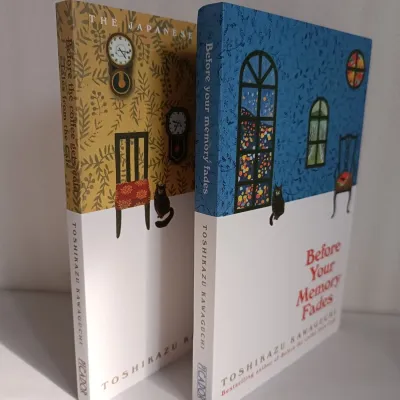


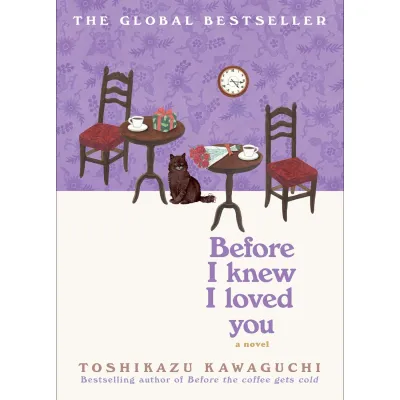
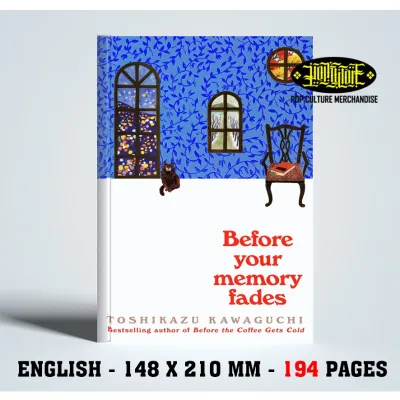
Prices are valid at publication and may change. Please refer to the product page for the latest price.
The Core Premise: Time Travel with Strict Emotional Rules
At the heart of the novel is Funiculi Funicula, a quiet cafe where time travel is possible, but only under highly restrictive conditions. To go back in time, a patron must sit in a specific chair, which is usually occupied by a ghost. They can only travel when the ghost gets up to use the restroom. Once seated, they cannot move from the chair, and they can only meet people who have actually visited the cafe in the past.
These rules might seem overly complicated, but they serve a vital narrative purpose. The most crucial rule is that nothing done in the past can change the present. If a character travels back to speak to a lost loved one, that loved one will still be gone when the traveler returns to the present. This brilliant narrative constraint shifts the entire focus of the story away from typical plot-driven time-travel tropes.
Instead of trying to “fix” the timeline or alter history, the characters are forced to seek emotional resolution. The journey becomes entirely about communication, forgiveness, and internal transformation. Because the physical present remains unchanged, the only thing that can truly change is the traveler’s state of mind and how they choose to live their life moving forward.
This setup creates a deeply contained, introspective narrative. The physical boundaries of the cafe mirror the emotional boundaries of the characters. By keeping the setting small and the rules rigid, the novel highlights the immense weight of spoken words and the quiet power of emotional acceptance.
Storytelling Style: What Emotional Fiction Fans Should Expect
Before the Coffee Gets Cold is structured as an episodic novel, divided into four distinct stories that focus on different cafe patrons. Each story explores a unique relationship and a specific form of regret. You will meet a woman confronting her departing lover, a wife dealing with her husband’s early-onset Alzheimer’s, a sister seeking reconciliation, and a mother wanting to meet her unborn child.

This episodic structure allows the novel to explore grief and connection from multiple angles. Because the book was originally written as a stage play, the narrative feels highly theatrical. The dialogue is central, the cast of characters is small, and the physical movements within the cafe are described with precise, stage-like directions. This theatrical quality gives the stories an intimate, close-up feel.
Translated from Japanese by Geoffrey Trousselot, the prose style is straightforward, sparse, and minimalist. It lacks the dense, lyrical ornamentation often found in Western literary fiction, leaning instead toward a melancholic, quiet simplicity. While some readers may find the translation a bit plain or repetitive, others will appreciate how the unadorned language allows the raw emotion of the situations to shine through.
Unlike high-drama commercial fiction, the emotional payoffs in this novel are subtle and bittersweet. The stories do not end with grand gestures or miraculous resolutions. Instead, they offer quiet moments of clarity, gentle tears, and a lingering sense of hope that stays with you long after you finish the final page.
Who Will Love It and Who Should Skip It
This novel is an ideal match for readers who enjoy “healing” fiction or iyashikei—a Japanese genre focused on comfort, gentle melancholy, and emotional restoration. If you appreciate slice-of-life narratives, cozy magical realism, and stories that focus heavily on human connection, you will likely find this book deeply moving. It is a perfect companion for a quiet rainy afternoon or a slow weekend.
However, the book may not appeal to everyone. If you are looking for high-stakes plot twists, fast pacing, or complex speculative world-building, you might find the narrative frustrating. The rigid rules of the cafe and the characters’ inability to change their external circumstances can feel passive or repetitive to readers who prefer active, plot-driven fantasy.
If you find the time-travel rules too restrictive, you might prefer to explore other contemporary Japanese translated works that offer a bit more external movement while keeping the emotional depth. However, if you are willing to accept the cafe’s rules and focus entirely on the characters’ internal journeys, the emotional rewards are well worth the patience.
How to Choose the Right Edition and Format
When preparing to purchase Before the Coffee Gets Cold, it is highly recommended to read a few sample pages of the English translation first. Because translated prose has a unique rhythm, ensuring that Geoffrey Trousselot’s minimalist style resonates with your personal reading preferences will help guarantee an enjoyable experience.
Your choice of format should align with your reading habits and lifestyle. A physical paperback is highly portable and fits easily into a small bag, making it a wonderful companion for reading on the MRT or during a quiet afternoon at a local cafe. For collectors, the hardcover editions feature beautiful, minimalist cover art that looks stunning on any bookshelf.
If you prefer digital reading, the e-book format offers excellent convenience, allowing you to adjust font sizes and read comfortably during daily commutes. It is also worth noting that this book is the first installment in a growing series. While it functions perfectly as a standalone novel with a complete emotional arc, you can easily find bundled sets if you decide you want to continue exploring the stories of Funiculi Funicula.
Frequently Asked Questions (FAQ)
Is Before the Coffee Gets Cold a standalone novel or part of a series?
It is the first entry in an ongoing series of interconnected novels set in the same magical cafe. While the book is part of a larger series, it offers a completely self-contained emotional arc. You can read it as a standalone story and feel fully satisfied with the conclusion without needing to purchase the sequels.
Does the book contain heavy or triggering themes?
Yes, the novel naturally deals with heavy emotional themes, including grief, terminal illness, progressive memory loss, and the death of loved ones. Because these topics are central to the characters’ reasons for traveling in time, sensitive readers may want to check detailed content warnings on reader review platforms before purchasing.
How long does it take to read the English translation?
At just over 200 pages, the novel is relatively short and can easily be read over a single weekend. The episodic structure, divided into four distinct stories, makes it highly digestible and perfect for reading in short sittings during your daily commute or quiet evening hours.
Community discussion
Share your experience or ask a question. Comments are reviewed before publication.