
The Core Reading Experience: A Quick Diagnostic
Deciding whether to read Cormac McCarthy’s landmark novel requires looking past its reputation as a masterpiece to understand its actual demands on the reader. Set in the mid-19th century along the lawless US-Mexico borderlands, the narrative follows an unnamed teenage protagonist known only as “the Kid.” He falls in with the Glanton gang, a historical band of scalp hunters operating in a harsh, unforgiving landscape.
The book is defined by a distinct triad: unrelenting violence, dense biblical prose, and heavy philosophical weight. It is not a conventional Western with clear heroes and villains, but rather a mythic exploration of human cruelty.
To help you decide if this challenging work belongs on your reading list, consider this quick diagnostic:
Products mentioned in this guide
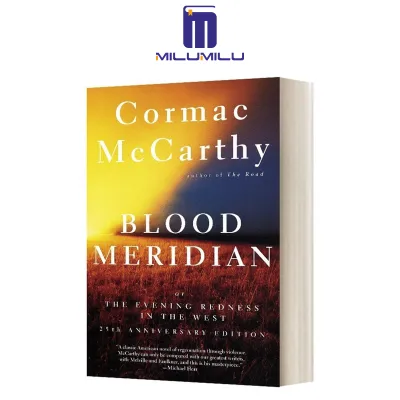
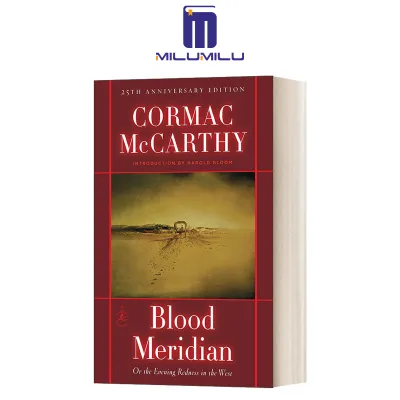
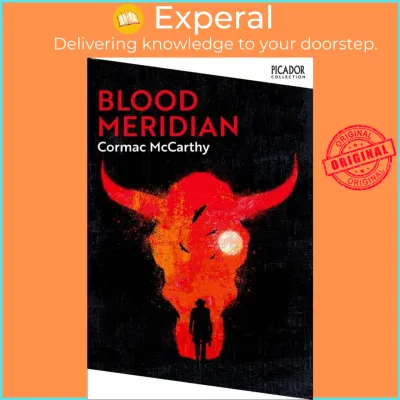
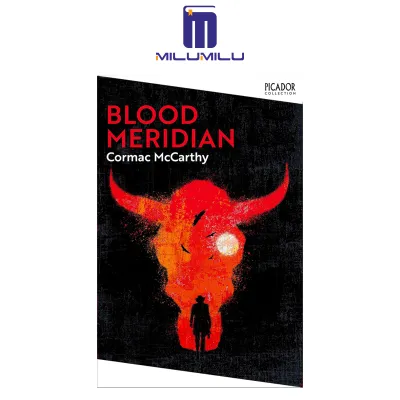
Prices are valid at publication and may change. Please refer to the product page for the latest price.
- Read it if: You appreciate highly poetic, challenging prose, enjoy deep philosophical inquiries into the nature of evil, and can tolerate graphic, non-romanticized historical violence.
- Skip it if: You prefer fast-paced narratives, rely on standard punctuation for readability, seek comforting moral resolution, or wish to avoid intense depictions of physical brutality.
Assessing Your Tolerance for Unflinching Violence
The violence in this novel is famously intense, but understanding its nature is crucial before making a purchase. McCarthy does not present violence as a thrilling plot device or a tool for heroic justice. Instead, the brutality is historical, visceral, and completely stripped of moralizing commentary. The characters commit horrific acts in a matter-of-fact manner, reflecting the grim realities of the historical frontier.

This lack of a moral anchor can make the reading experience deeply unsettling. There is no sympathetic protagonist to guide you through the darkness, and the narrative rarely pauses to condemn the atrocities committed on the page. For some readers, this approach feels like gratuitous shock value, while others view it as an essential thematic tool used to strip away the romanticized myths of the American West.
Before committing to the book, ask yourself how graphic content affects your reading enjoyment. If you find that heavy, dark themes exhaust your mental bandwidth or leave you feeling drained, this work may not be suitable for your current reading phase. However, if you can view the violence as an elemental, historical force necessary to explore the darkest corners of human nature, you will find the narrative deeply impactful.
Navigating the Dense, Archaic Prose Style
McCarthy’s linguistic style is as famous as his subject matter, presenting a significant hurdle for those accustomed to modern, conversational fiction. The author famously rejects standard punctuation, omitting quotation marks entirely and using commas very sparingly. This stylistic choice forces you to pay close attention to dialogue transitions and narrative shifts, as the boundaries between speech and description frequently blur.
Another defining feature is the frequent use of polysyndeton—the repetition of conjunctions like “and” to link clauses. This technique creates a rhythmic, hypnotic flow that echoes the cadence of the King James Bible. Combined with an extensive vocabulary of archaic, geological, and highly specialized terms, the prose demands active, slow reading rather than quick scanning.
The narrative pacing also reflects this stylistic complexity. Long, meditative descriptions of the vast, indifferent desert landscape are suddenly interrupted by chaotic, fast-paced skirmishes. If you typically prefer accessible, plot-driven novels, you may find this structure frustrating. To navigate it successfully, try reading the sentences aloud to capture their natural rhythm, or allow yourself to drift with the prose without stopping to decode every unfamiliar word.
Engaging with Nihilistic and Philosophical Themes
Beyond its style and violence, the novel is a profound meditation on bleak existential questions. McCarthy explores the inevitability of warfare, the inherent nature of evil, and the tension between human destiny and free will. The book offers no easy answers, presenting a world where nature is indifferent to human suffering and moral order is entirely absent.
At the center of these themes is Judge Holden, a towering, hairless, and highly intellectual figure who serves as the novel’s primary antagonist and philosophical mouthpiece. The Judge argues that war is the ultimate game and that human existence is defined by dominance and conflict. Engaging with his monologues requires a willingness to confront deeply pessimistic ideas about civilization and human nature.
If you prefer stories with clear moral resolution, redemptive character arcs, or comforting endings, this book will likely frustrate you. The conclusion is notoriously ambiguous and offers no traditional closure. However, if you enjoy literature that challenges your worldview and leaves you contemplating complex philosophical questions long after the final page, the thematic depth of this work is highly rewarding.
Making Your Decision and Choosing the Right Format
Your decision to purchase should align with your current reading goals and mental availability. If you are ready to commit to a slow, demanding, and deeply atmospheric masterpiece, the next step is selecting the right format. Because the prose is highly rhythmic, some readers find that listening to an unabridged audiobook helps them absorb the language more naturally than reading print.
When purchasing a physical copy, verify the edition, language, and publisher details. While McCarthy did not authorize official annotated editions, some printings include insightful introductions or critical essays that can provide helpful historical context. If you are purchasing a digital edition in Singapore, ensure you check regional compatibility and device requirements on your preferred e-reading platform before finalizing your order.
Ultimately, tackling this novel requires the right environment and mindset. It is best enjoyed in quiet, focused reading blocks rather than during a noisy, distracted daily commute. If you decide you are not ready for its intensity, consider starting with McCarthy’s more accessible works, such as The Road or All the Pretty Horses, which offer a gentler introduction to his unique literary voice.
Frequently Asked Questions (FAQ)
Is Blood Meridian based on true historical events?
Yes, the novel is grounded in historical reality. McCarthy drew heavily from the memoirs of Samuel Chamberlain, a soldier who wrote about his experiences with the real-life Glanton gang during the late 1840s and 1850s. While characters like the Kid and Judge Holden are heavily mythologized and fictionalized for thematic purposes, the setting, the gang’s activities, and the brutal atmosphere of the US-Mexico borderlands accurately reflect the historical violence of that era.
Do I need to read McCarthy's other books first?
No, this is a completely standalone novel, and you do not need any prior familiarity with McCarthy’s bibliography to understand the plot. However, because of its dense prose and extreme themes, it is widely considered one of his most difficult works. If you find the style overwhelming, reading his later, more accessible novels first can help you adapt to his unique approach to punctuation and dialogue.
Are there content warnings I should be aware of?
Yes, the book contains pervasive and extreme depictions of violence, including warfare, physical assault, and cruelty to animals. Because these elements are central to the novel’s exploration of human nature, they occur frequently throughout the text. Sensitive readers should approach the book with caution and may want to consult detailed, community-sourced trigger warning databases to review specific content concerns before purchasing.
Community discussion
Share your experience or ask a question. Comments are reviewed before publication.