
If you have just turned the final page of Frank Herbert’s science fiction masterpiece, Dune, you are likely standing at a literary crossroads. The sweeping epic of Arrakis concludes on a triumphant yet ominous note, leaving readers to wonder whether they should immediately pick up the next installment, Dune Messiah. Deciding whether to continue the journey requires understanding that the sequel is not simply more of the same adventure, but a deliberate and fascinating shift in narrative direction.
The Short Answer: Should You Read Dune Messiah?
Reading the sequel is highly recommended for anyone who wants to experience the true resolution of Paul Atreides’ story. While the first novel is often read as a classic hero’s journey, Frank Herbert actually intended it as a cautionary tale about the dangers of charismatic leaders. Dune Messiah is the essential second half of that message, showing the direct, devastating consequences of Paul’s rise to power.
Instead of the expansive, desert-spanning world-building that defined the original book, this sequel delivers a much tighter, more claustrophobic narrative. The story transitions from an epic battle for survival into a tense political and philosophical thriller. If you want to understand the complete thematic arc of the series, skipping this book is not an option, as it serves as the vital bridge to the rest of the original trilogy.
Products mentioned in this guide
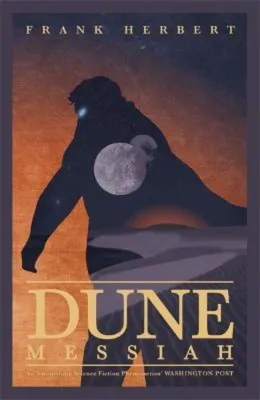

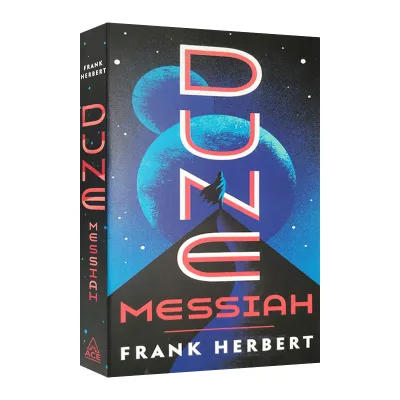
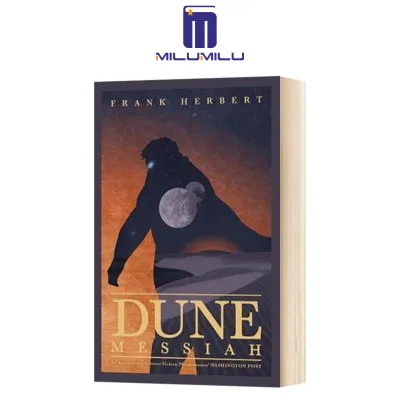
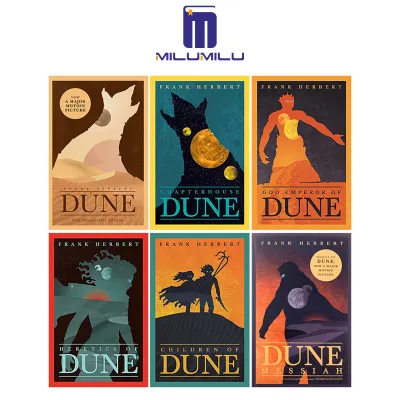
![[6 Books Colledction] Dune 1-6 Complete Set :Dune Dune Messiah Children of Dune God Emperor of Dune Heretics of Dune and Chapterhouse: Dune](https://img.lazcdn.com/g/p/8b34e561ff425ac778575d05c87873d5.jpg_400x400q80.jpg_.webp)
Prices are valid at publication and may change. Please refer to the product page for the latest price.
Before purchasing your copy, remember to verify the edition, language, and format. Whether you prefer a physical paperback to display on your shelf, a digital e-book for your e-reader, or an audiobook for your daily commute, checking the publisher details and regional compatibility ensures you get the complete, unabridged text.
How the Sequel Shifts Tone and Focus
The most striking difference you will encounter when starting the sequel is the dramatic shift in scale and atmosphere. The vast, open sands of Arrakis and the detailed ecological exploration of the deep desert take a backseat. In their place, Herbert presents a story set almost entirely within the grand, suffocating imperial palace of Arrakeen, transforming the setting into a pressure cooker of political intrigue and court conspiracies.

This shift in setting is accompanied by a change in pacing and structure. Dune Messiah is significantly shorter than its predecessor, often running at less than half the page count of the first book. The timeline is also much more concentrated; it takes place twelve years after the events of the first novel, but the plot itself unfolds rapidly over a brief, intense period. The narrative moves away from physical action and military campaigns, focusing instead on dialogue, psychological tension, and covert plotting.
At the heart of this shorter novel is a deep, agonizing exploration of Paul Atreides’ internal conflict. Now the Emperor of the known universe, Paul is haunted by the bloody jihad fought in his name across the cosmos. The book deconstructs his heroic status, portraying him as a man trapped by his own prescience. You will see the immense burden of knowing the future and the tragic realization that even an emperor cannot easily escape the momentum of his own myth.
Signs Dune Messiah Is the Right Next Read for You
If you finished the first book and found yourself deeply intrigued by the complex political systems, the manipulative schemes of the Bene Gesserit, and the delicate balance of power between the Landsraad and the Spacing Guild, you will likely find this sequel incredibly satisfying. The plot revolves around a sophisticated conspiracy involving multiple factions, including the mysterious Bene Tleilax and their shape-shifting Face Dancers, making it a feast for fans of political maneuvering.
This book is also an excellent fit if you appreciate stories that challenge traditional fantasy and sci-fi tropes. If you are eager to see a realistic, morally complex exploration of what happens after the hero wins the throne, Herbert’s deconstruction of the “chosen one” archetype will resonate with you. It is a narrative that rewards intellectual curiosity and a willingness to engage with dark, philosophical themes.
Finally, if you enjoy tight, character-driven dramas that prioritize psychological depth over sprawling battles, this book will suit your reading preferences. It offers a quiet, contemplative, and ultimately tragic look at characters who are struggling with the consequences of their past choices, making it a deeply moving experience for those who value character study over high-octane action.
Signs You Might Want to Pause or Stop Here
Conversely, there are valid reasons why you might want to take a break or even end your journey with the first book. If your favorite aspects of the original novel were the survival elements in the deep desert, the detailed exploration of Fremen culture, and the grand military clashes, you may find the sequel disappointing. The lack of traditional action and the indoor, palace-bound setting can feel restrictive if you are craving another grand adventure.
Readers who prefer clear-cut heroes and triumphant endings may also find the tone of this book frustrating. Paul Atreides is no longer a simple protagonist to root for; he is a deeply flawed, morally gray figure navigating a bleak political landscape. The story does not offer easy answers or comforting resolutions, which can be unsettling if you prefer a more traditional, uplifting narrative arc.
If you found the dense, philosophical prose of the first book challenging, the sequel doubles down on these elements. The dialogue is heavy with subtext, religious philosophy, and political theory. If you are experiencing reading fatigue after tackling the massive world of Arrakis, taking a temporary break to read something lighter before diving into this intense sequel is a highly sensible approach.
What to Expect If You Continue the Series
Should you decide to move forward, it is helpful to view Dune Messiah as the second act of a three-part drama. The events of this book directly set the stage for Children of Dune, the third novel in the series. Together, these three books form a cohesive, continuous story arc that explores the legacy of the Atreides family and the future of humanity.
As you progress, you will find that the thematic scope of the series continues to expand. The narrative evolution moves from the rise of a leader, through the failure of his empire, and eventually toward a radical, long-term path for human survival. Understanding this trajectory can help you appreciate the slower, more tragic moments of the second book as necessary preparation for the grand scale of the third.
When planning your reading journey, consider your own reading habits. Some readers find it highly rewarding to read the original trilogy back-to-back, while others prefer to space them out to digest the heavy themes. Whichever path you choose, ensuring you have access to authorized, high-quality editions of the books will make your journey through Frank Herbert’s universe as seamless and enjoyable as possible.
Frequently Asked Questions (FAQ)
Is Dune Messiah a standalone book?
No, it is not a standalone novel. The story is a direct continuation of the first book and relies entirely on the character development, political factions, and world-building established in the original Dune. Attempting to read it without prior knowledge of the first book would make the plot and character motivations highly confusing.
Do I need to read the first Dune book before Messiah?
Yes, reading the first book is absolutely essential. The sequel does not spend time re-introducing the characters, the setting of Arrakis, or the complex terminology of the universe. To fully appreciate the stakes, the emotional weight, and the intricate conspiracy at play, you must have the context of the first novel.
How long does it take to read Dune Messiah compared to Dune?
It is a much faster read than the first book. While the original novel is an epic tome that can take several weeks to finish, the sequel is roughly half the length and features a more direct, concentrated plot. Despite its dense philosophical themes, most readers find they can complete it in a fraction of the time.
Community discussion
Share your experience or ask a question. Comments are reviewed before publication.