
While Frank Herbert’s Dune is widely celebrated as a cornerstone of science fiction world-building, it is not a mandatory prerequisite for enjoying Singaporean speculative fiction. The decision to read this classic first depends entirely on whether you want to trace the historical roots of Western space opera or dive directly into localized, culturally resonant narratives. Singaporean speculative fiction operates on its own distinct thematic and cultural axis, meaning you can fully appreciate local works without any prior knowledge of Arrakis, spice melange, or galactic empires. This guide helps you evaluate your reading preferences, understand what each literary path offers, and prioritize your book purchases effectively.
What Dune Offers as a Sci-Fi Foundation
To decide if Dune belongs at the top of your reading list, it helps to understand what this 1965 epic brings to the table. Herbert’s work is famous for introducing intricate political intrigue, complex ecological systems, and deep, multi-generational lore. It shifted the science fiction genre away from simple space adventures toward serious sociological and environmental commentary. If you choose to read it, you will gain a deep appreciation for how modern sci-fi handles world-building, resource scarcity, and messianic archetypes.
However, reading a foundational historical text is very different from picking up a contemporary novel. Dune features a dense, deliberate prose style and a slow pacing structure that requires a significant time investment. For readers who are new to speculative fiction or who prefer fast-paced, character-driven narratives, the sheer volume of terminology and historical exposition can feel daunting. If your primary goal is to explore modern speculative storytelling, starting with a massive, multi-volume classic may delay your journey rather than enrich it.
Products mentioned in this guide
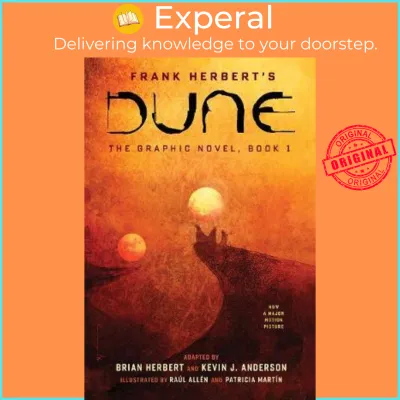
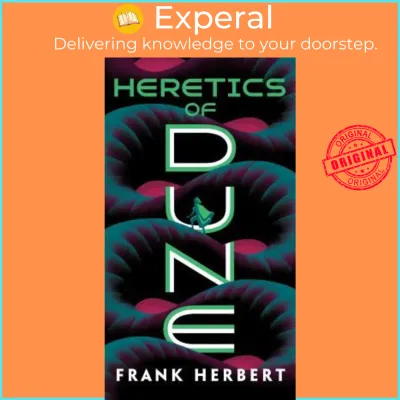
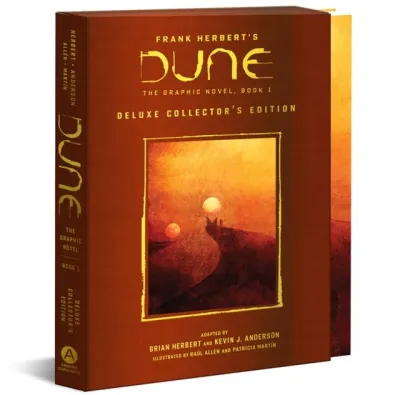
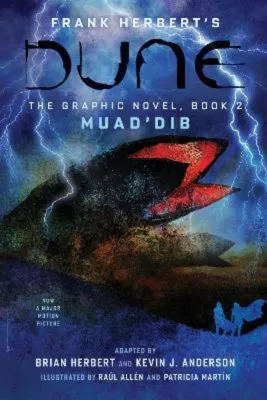
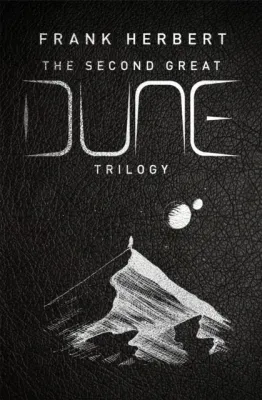
Prices are valid at publication and may change. Please refer to the product page for the latest price.
When purchasing Dune, it is also important to verify the specific edition and format. Because the book has been adapted into multiple films and media franchises, the market is filled with various editions, ranging from mass-market paperbacks to deluxe hardcovers and graphic novel adaptations. Before buying, check the publisher details to ensure you are getting the complete, unabridged text rather than a movie tie-in companion or an abridged version, as these formats offer vastly different reading experiences.
Why Singaporean Speculative Fiction Stands on Its Own
Singaporean speculative fiction does not rely on the tropes or structures established by Western space operas. Instead, local authors draw inspiration from the unique geographical, historical, and cultural realities of Southeast Asia. Common themes in local speculative fiction include rapid modernization, the psychological impact of living in a hyper-dense urban environment, climate futures, and the preservation of cultural identity. These stories often feel highly immediate and grounded, reflecting the anxieties and hopes of a tropical island city-state rather than a distant, fictional galaxy.

A defining characteristic of Singaporean speculative fiction is how it blends traditional Southeast Asian mythologies with futuristic or alternate realities. Rather than relying on Western medieval fantasy archetypes or galactic feudalism, local writers incorporate regional folklore, spiritual beliefs, and historical narratives. You are more likely to encounter stories featuring local spirits, ancestral ghosts, or alternate colonial histories than space knights and interstellar empires. This cultural grounding gives the subgenre a distinct flavor that requires no familiarity with Western sci-fi classics to understand or enjoy.
Furthermore, the narrative structures in Singaporean speculative fiction often diverge from the traditional hero’s journey found in Dune. Many local works utilize non-linear storytelling, collective protagonists, or localized colloquial language to convey an authentic sense of place and community. Because these stories are built on local experiences and regional histories, attempting to view them through the lens of classic Western space opera can actually obscure their unique qualities. Recognizing that local speculative fiction stands firmly on its own artistic merits allows you to approach these books with fresh, unbiased expectations.
How to Decide Your Reading Order and Purchase Priority
Choosing which book to buy first comes down to your personal reading goals, budget, and preferred narrative scale. If you are drawn to epic scales, deep historical lore, and complex political machinations that span thousands of years, prioritizing Dune is a logical choice. It remains an excellent investment for those who want to understand the evolution of the science fiction genre and appreciate how modern writers reference or subvert classic tropes.
On the other hand, you should start with Singaporean authors if you prefer grounded settings, immediate cultural resonance, and varied narrative formats. Local speculative fiction is highly accessible, often presented in short story anthologies or novellas that require a much smaller time commitment than a six-book space opera epic. This makes it easier to sample different writing styles and subgenres before committing to a longer series.
Budget and format considerations should also influence your purchase priority. In Singapore, physical copies of imported classics like Dune typically range from S$15 to S$35, depending on whether you choose a standard paperback or a collector’s hardcover edition. Local speculative fiction, published by regional presses, is generally priced competitively between S$18 and S$25. If you prefer digital reading, e-books are often a cost-effective way to explore both options, but always verify regional compatibility and file formats before purchasing to ensure they work seamlessly on your preferred e-reader device.
Finding Your First Singaporean Speculative Fiction Book
Navigating the local literary scene is straightforward once you know what to look for. To find a book that matches your interests, start by identifying specific subgenres within the Singaporean market. If you enjoy high-tech, high-surveillance settings, look for local cyberpunk novels that explore the intersection of technology and urban life. For stories dealing with environmental themes, seek out climate fiction that addresses rising sea levels and tropical ecology. If you prefer a blend of the everyday and the supernatural, magical realism offers stories set in familiar locations like public housing estates but infused with mythical elements.
When selecting a book, always check the publisher’s notes, book formats, and language editions. Some local speculative fiction works are written in bilingual formats or feature specific regional dialects, which can add depth to the reading experience. Reading the back cover synopsis and checking for content warnings or thematic focuses will help you select a title that aligns with your reading preferences.
To make your purchase, consider visiting independent bookstores in Singapore, particularly those located in cultural hubs like Tiong Bahru or the Bras Basah complex, as they often carry dedicated sections for local literature. Alternatively, you can utilize the extensive National Library Board network to borrow physical or digital copies before deciding to buy. For online purchases, stick to authorized regional online retailers or direct publisher websites to ensure you are supporting local authors and receiving high-quality, authorized editions.
Frequently Asked Questions (FAQ)
Do I need to read the entire Dune series to understand modern sci-fi?
No, you do not need to read the entire six-book series. The first novel, Dune, is a self-contained story that introduces all the core concepts, ecological themes, and political structures that influenced the wider science fiction genre. If you find the pacing or dense prose challenging, you can comfortably stop after the first book without missing the cultural context needed to appreciate modern speculative fiction.
Are there Singaporean speculative fiction anthologies good for beginners?
Yes, anthologies are highly recommended for beginners. Collections of short stories allow you to sample a wide variety of local authors, writing styles, and subgenres—such as cyberpunk, climate fiction, and urban fantasy—without committing to a full-length novel. This format provides a low-commitment entry point to help you discover which local voices and themes resonate most with your personal reading tastes.
Will reading Dune spoil the tropes used in newer Singaporean sci-fi?
No, reading Dune will not spoil modern Singaporean speculative fiction. While local authors are often familiar with classic Western sci-fi tropes, they typically subvert, adapt, or entirely reject them to fit Southeast Asian cultural and geographical contexts. Instead of feeling repetitive, recognizing these differences can actually enhance your reading experience by highlighting how creatively local writers reframe speculative concepts.
Community discussion
Share your experience or ask a question. Comments are reviewed before publication.