
Determining whether a self-improvement book like “Hold Tight” is the right fit for your current life stage requires a systematic evaluation of your personal goals, a verification of the book’s actual edition, and an honest assessment of your capacity to implement its advice. Because titles in the personal development space can be remarkably similar, a successful purchase depends on aligning your specific psychological or professional bottlenecks with the author’s verified methodology. By taking a diagnostic approach before you buy, you can avoid the common pitfall of accumulating unread books and ensure your reading time yields genuine personal growth.
Identify Your Core Personal Development Needs Before Reading
In a fast-paced environment where professional demands and personal aspirations often pull in opposite directions, identifying your exact emotional or career bottleneck is the essential first step. Before browsing online retailers or visiting a local physical bookstore, take a step back to assess your current circumstances. Are you navigating a major career transition, coping with burnout from a high-pressure job, trying to improve a strained relationship, or looking for general mental resilience?
To establish a clear baseline for your reading choices, ask yourself these targeted self-diagnostic questions:
Products mentioned in this guide
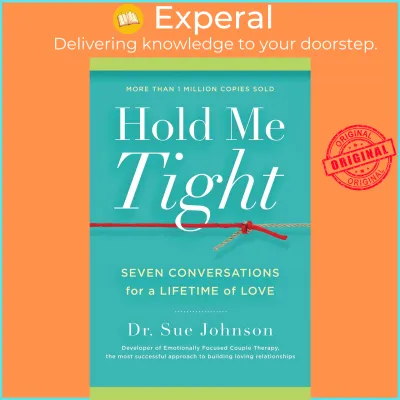
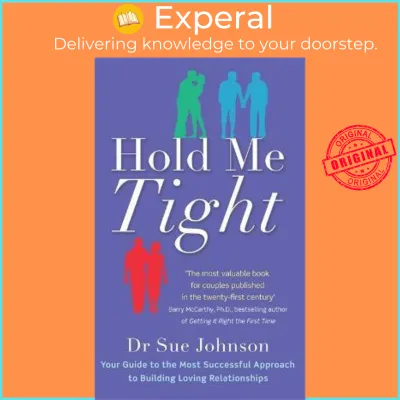
Prices are valid at publication and may change. Please refer to the product page for the latest price.
- What is the single most pressing issue or pattern of behavior you want to address right now?
- Are you seeking immediate, actionable step-by-step frameworks, or do you require deeper emotional validation and mindset shifts?
- How much time and cognitive energy can you realistically dedicate to self-reflection and practical exercises each week?
Clarifying these parameters prevents the common habit of buying books that address problems you do not currently have. For instance, if you are experiencing acute professional burnout, a book focused purely on long-term philosophical goal-setting might exacerbate your stress rather than relieve it. Conversely, if you are seeking structural changes in your daily routines, a highly abstract, narrative-driven memoir will likely leave you feeling unguided. Defining your needs first ensures that you select a book designed for your exact developmental stage.
Evaluate the Core Premise and Approach of the Book
In the digital marketplace, it is easy to make assumptions based on a catchy title or an appealing cover design. However, the phrase “hold tight” can appear in various contexts, from psychological guides on attachment theory to motivational books on perseverance. To avoid purchasing the wrong text, you must systematically verify the specific edition’s official subtitle, the author’s credentials, the publisher, and the table of contents. Never assume the contents of a book based solely on its title or cover art.

Once you have confirmed the exact volume, examine its core thesis. Does the book advocate for persistence and resilience (holding on through adversity), or does it focus on prioritizing what truly matters by letting go of external pressures? If the book you are looking at is actually Dr. Sue Johnson’s widely recognized relationship guide “Hold Me Tight” (often colloquially shortened by readers searching online), the focus will be on Emotionally Focused Therapy (EFT) and repairing romantic bonds. If it is a different contemporary self-help title, the focus might be on personal grit or mindfulness.
Look closely at how the author constructs their arguments. A book grounded in rigorous academic research, clinical studies, or established psychological frameworks appeals to readers who value empirical evidence and scientific validity. On the other hand, an approach built on personal anecdotes, coaching experiences, or philosophical reflections might offer greater emotional resonance but fewer generalizable frameworks. Matching the author’s methodology to your preferred learning style is crucial for long-term engagement and trust.
Before completing any purchase, always verify the edition, language, medium or file format, regional restrictions, device compatibility, and content completeness from an authorized source. This is especially critical for digital editions or audiobooks, where regional licensing can sometimes restrict access or result in abridged versions of the text.
Match Your Current Life Stage to the Book's Methodology
To determine if the book’s content will translate effectively to your daily life, evaluate the case studies and scenarios the author presents. If the examples center primarily on corporate executives navigating multinational firms, they may offer limited utility if you are a freelancer, a small business owner, or a young professional in Singapore trying to establish your career footing. The social and cultural contexts of the anecdotes must feel relevant to your lived experience for the advice to stick.
Assess the depth of the material against your current understanding of personal development. If you are new to self-improvement or psychological concepts, a book that introduces foundational ideas in clear, accessible language is ideal. However, if you have already read extensively in this space, a book that merely repackages basic concepts without introducing new frameworks or deeper perspectives may feel repetitive. Review the table of contents to see if the chapter progression promises a deeper dive than what you have previously explored.
Be realistic about your current emotional bandwidth and resources. Many self-improvement methodologies require readers to complete intensive journaling exercises, engage in difficult conversations, or alter their daily schedules significantly. If your current schedule is consumed by family obligations or demanding work hours, a book that demands hours of quiet introspection daily might not be feasible. Look for a text whose practical exercises align with the amount of time you can genuinely commit.
Cross-referencing the book’s index or chapter summaries with your self-diagnosed needs from the first section will help you make a highly informed decision. If a chapter title or section heading directly addresses your primary bottleneck, the book is much more likely to be a valuable investment of your time.
Clear Signs This Book Might Not Be the Right Fit
One clear indicator that a book is not right for you is a mismatch in utility. If you are looking for highly specific, tactical templates—such as time-management matrices or communication scripts—but the book’s synopsis and sample chapters focus on abstract mindset building and long-term philosophical reflection, you will likely find the reading experience unsatisfying.
Another critical sign is a conflict in core values or cultural assumptions. Some self-improvement literature is written from a highly individualistic perspective that may not align with the collectivist or family-oriented values common in Singapore. If the author’s foundational advice relies on assumptions that conflict with your cultural reality, personal ethics, or practical life constraints, implementing their suggestions may cause more friction than growth.
Lastly, if you review the table of contents and find that the concepts are identical to books you have already read, you are likely facing diminishing returns. When a book offers no new frameworks or unique angles on your specific problem, it is best to seek alternative solutions. This might include exploring highly specialized literature in a different sub-genre, consulting a professional coach or therapist, or switching to a different medium, such as an audiobook, to consume the material more passively.
How to Make Your Final Reading and Purchase Decision
Before committing your hard-earned money—typically ranging from S$20 to S$40 for physical non-fiction titles in Singapore—take advantage of digital and physical sampling. Use the “Look Inside” feature on online retail platforms to read the introduction and the first few pages. Alternatively, visit a local physical bookstore to physically flip through the pages. This allows you to evaluate the author’s writing style, tone, and logical flow, ensuring their voice is one you want to spend hours listening to.
Consider how the book’s format fits into your lifestyle. A physical paperback or hardcover is excellent for active reading, allowing you to easily highlight text, scribble notes in the margins, and refer back to specific worksheets. If you have a long commute on the MRT, an e-book on a dedicated e-reader or an audiobook might be more practical. When purchasing, compare the pricing and delivery times between local physical bookstores and reputable online marketplaces, keeping an eye out for regional restrictions or device compatibility issues if you choose a digital format.
If your diagnosed needs align with the book’s verified premise, and the sample chapters leave you eager to read more, proceed with the purchase. If you remain hesitant, consider checking the availability of the book through the National Library Board (NLB) digital catalogue or physical branches. Borrowing the book first allows you to test the content without financial risk, helping you decide if a permanent copy is worth adding to your personal library.
Frequently Asked Questions (FAQ)
How can I tell if a self-improvement book is based on scientific research or just personal opinion?
To verify the scientific credibility of a self-improvement book, turn directly to the back of the book to inspect the bibliography, endnotes, or references section. Books grounded in empirical science will cite peer-reviewed studies, clinical trials, or established academic frameworks from reputable journals. Additionally, check the author’s professional credentials, such as advanced degrees in psychology, medicine, or social work, and verify if they have active clinical or research experience. If a book relies solely on personal anecdotes, sweeping generalizations, and unreferenced claims, it should be treated as a collection of personal opinions rather than scientifically validated advice.
Is it better to read self-improvement books in physical format or as e-books and audiobooks?
The ideal format depends on the book’s structure and your personal learning style. Physical books and e-books are highly superior for active reading, as they allow you to easily highlight key passages, write annotations, and complete written exercises or reference diagrams. Audiobooks are excellent for narrative-driven, motivational, or mindset-focused books that you can consume passively during a daily commute or workout. However, if a book contains complex frameworks, self-assessment tables, or step-by-step exercises, an audiobook can be difficult to navigate, making a physical or digital print edition the more practical choice.
Community discussion
Share your experience or ask a question. Comments are reviewed before publication.