
The LiberLive smart music device is worth the investment if your primary goal is to sing along with rich, automated backing tracks without spending years mastering traditional guitar fretting. It serves as an accessible bridge for casual singers, hobbyists, and beginners who want immediate musical accompaniment.
However, for experienced guitarists, professional live performers, or music producers, the device is unlikely to satisfy. It lacks the nuanced physical expression, tactile feedback, and raw audio flexibility of a traditional stringed instrument.
Ultimately, whether this viral device is worth its price tag depends on matching its automated features with your personal musical goals. If you want a quick, portable way to accompany your voice, it delivers; if you want to learn authentic instrumental techniques, you should look elsewhere.
Products mentioned in this guide

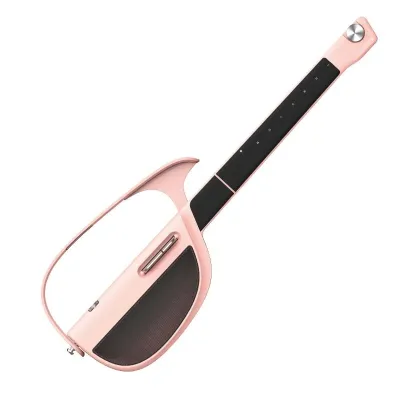
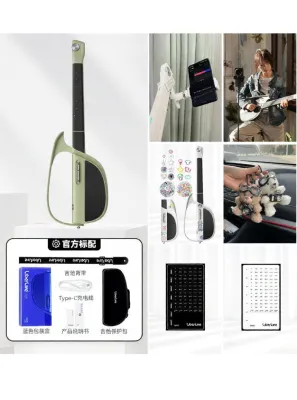
Prices are valid at publication and may change. Please refer to the product page for the latest price.
What Is LiberLive and Why Is It Trending?
The LiberLive is categorized as a smart accompaniment instrument, designed to merge the form factor of a compact stringed instrument with digital synthesizer technology. Instead of traditional metal frets and strings that require precise finger pressure, it utilizes a button-based chord system and touch-sensitive pads to trigger pre-programmed backing tracks.
Its viral popularity across social media platforms stems from videos showing creators effortlessly performing full-band arrangements within minutes of unboxing. The promise of bypassing the painful finger-callus phase of learning guitar makes it highly appealing to casual music lovers.
However, there is a distinct difference between polished online demonstrations and everyday use. While the hardware simplifies chord execution, users must still develop a sense of rhythm, learn to coordinate their hands, and navigate a companion mobile application to select styles and manage settings.
Core Features vs. Real-World Utility
Before purchasing, it is essential to evaluate how the advertised features perform under real-world conditions rather than relying solely on promotional videos.

Automated Accompaniment & Chords: The core appeal lies in the automated sound engine. To ensure this fits your musical style, verify the available rhythm patterns, genre libraries, and latency specifications in the manufacturer’s documentation. Some users may find the pre-programmed styles limiting if they prefer niche genres or highly irregular time signatures.
App Integration & Connectivity: The device relies heavily on its companion mobile application for firmware updates, sound customization, and song libraries. Check the app store listings to confirm compatibility with your specific smartphone operating system and to review user feedback regarding Bluetooth pairing stability and required system permissions.
Build Quality & Portability: As a portable device, physical durability is key. Review the manufacturer’s specifications for battery capacity, charging interface types (such as USB-C), and overall weight. In humid environments like Singapore, check if the materials used in the casing and touch pads are resistant to moisture and sweat during extended practice sessions.
Audio Output: To understand how the device sounds in different environments, check the user manual for output options. Verify whether it features a standard 3.5mm or 6.35mm headphone jack for silent practice, and check the compatibility requirements for connecting to external amplifiers or home karaoke systems. Note that wireless audio connections to speakers can sometimes introduce latency, which can disrupt your playing rhythm.
Who Should Buy LiberLive (and Who Should Skip It)?
Identifying your musical identity and goals will help you determine if this smart instrument aligns with your lifestyle.
Ideal Users:
- Vocalists and Singers: Those who want a portable, self-contained band accompaniment to back their vocals without needing a separate accompanist.
- Beginners and Hobbyists: Individuals who want to enjoy playing music quickly without the physical discomfort and steep learning curve of traditional stringed instruments.
- Casual Entertainers: People looking for a fun, interactive device for social gatherings, family gatherings, or casual home karaoke sessions.
Users Who Should Skip:
- Aspiring Traditional Musicians: Anyone who wants to learn authentic guitar techniques, such as fingerpicking, string bending, or slide playing, which cannot be replicated on button-based interfaces.
- Music Producers and Creators: Artists who require raw, multi-track audio stems or highly customizable MIDI routing for professional studio production.
- Purists: Players who prefer the organic acoustic resonance and dynamic range of physical wood and strings.
The Novelty Factor: To avoid the device gathering dust after the initial excitement wears off, assess its long-term value. Check the manufacturer’s official channels to see how frequently they update their song libraries and whether new rhythm styles require additional purchases. A device with active software support is much more likely to sustain your interest over time.
Alternatives to Consider Before Buying
If you are on the fence about spending hundreds of dollars (S$) on a specialized smart instrument, consider how these alternative pathways compare.
Traditional Acoustic or Electric Guitars: While a traditional guitar requires a significant time investment to master, it offers unmatched expressive freedom and physical feedback. It is also a highly standardized instrument with a lifetime of learning resources available for free, making it a more versatile long-term investment.
Software Accompaniment Apps: For those who already own a smartphone or tablet, various software applications offer automated backing tracks and virtual chord pads. Pairing these apps with a budget-friendly MIDI controller can provide a similar smart-playing experience at a fraction of the hardware cost.
Loop Pedals & Backing Track Players: If you already play a basic instrument, integrating a simple loop pedal or using pre-recorded backing tracks on a standard speaker can deliver a full-band sound. This approach allows you to build your own arrangements step-by-step without relying on proprietary smart hardware.
Frequently Asked Questions (FAQ)
Do I need to know how to play guitar to use LiberLive?
No prior guitar-playing experience is required to use the device. The hardware replaces traditional fretboards with simplified chord buttons, allowing you to trigger complex chords with a single press. The companion app typically includes interactive guides to help beginners understand when to press each button, though you will still need to practice basic rhythm and hand coordination to keep time with the music.
Are there hidden costs or subscriptions after buying the device?
Before purchasing, check the official app store listing and the manufacturer’s website to understand their monetization model. While basic features and a standard selection of songs are usually included with the hardware, some smart instruments lock premium song libraries, advanced rhythm styles, or cloud storage features behind a subscription paywall or individual in-app purchases.
How do I maintain the device and troubleshoot connectivity issues?
To maintain the device, keep the charging port and button interfaces free of dust and debris, and store it in a cool, dry place away from direct sunlight and high humidity. If you experience Bluetooth pairing issues with the companion app, try resetting the device’s wireless connection, restarting your mobile device, and ensuring you have installed the latest firmware updates through the official application.
Community discussion
Share your experience or ask a question. Comments are reviewed before publication.