
Mooer is generally an excellent entry point for beginner guitarists who want to explore effects without committing to a massive financial investment. The brand’s signature micro-pedal format is particularly well-suited for compact home practice setups, such as those in Singapore apartments where space is at a premium. However, choosing these compact units involves trade-offs in control precision, power management, and long-term durability that you must weigh before purchasing.
How to Evaluate Mooer Pedals for Your Beginner Needs
When you are first starting out, your physical practice environment plays a significant role in how you interact with your gear. Mooer’s micro and mini pedal formats are designed to occupy minimal floor space, making them highly compatible with small bedroom setups or compact starter pedalboards. If you are practicing in a shared living space, a small footprint allows you to pack away your entire rig quickly or keep it neatly tucked under a desk.
However, the physical size of these pedals directly influences their user interface. Many micro pedals feature one large primary knob and several tiny, secondary plastic knobs that can be difficult to adjust precisely on the fly. While this simplified layout helps beginners focus on learning basic signal flow without getting overwhelmed by options, it can limit your ability to perform fine tonal adjustments. You should consider whether you prefer highly visible, easy-to-tweak controls or if a set-and-forget approach fits your learning style.
Products mentioned in this guide
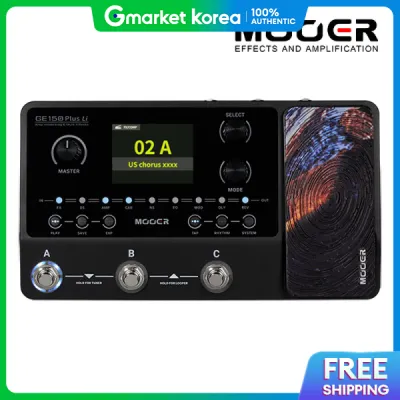
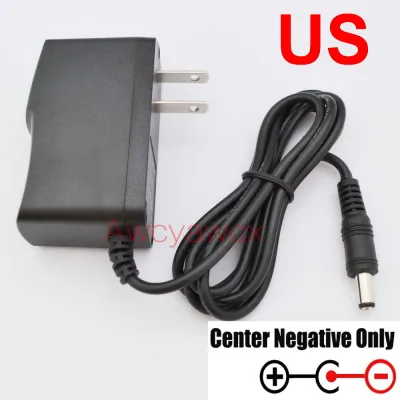
Prices are valid at publication and may change. Please refer to the product page for the latest price.
Power requirements are another critical factor to verify before purchasing. Because micro pedals do not have internal battery compartments due to their small size, they require external power sources. You must check the manufacturer’s specifications for each pedal’s current draw, measured in milliamperes (mA), to ensure compatibility with your power supply. Beginners often start with simple daisy-chain cables, but digital effects in micro formats can draw more current than traditional analog drives, potentially leading to unwanted noise if your power source is underpowered.
Assessing Build Quality and Durability Expectations
Evaluating the physical construction of entry-level pedals is essential to ensure they can withstand regular practice and transport. Most Mooer pedals feature metal enclosures, which generally offer better structural integrity and shielding against electromagnetic interference than plastic alternatives. When unboxing a new pedal, inspect the outer casing for any uneven seams or loose finish application that might indicate manufacturing inconsistencies.

The type of footswitch used also affects your playing experience and the pedal’s longevity. Mechanical switches provide a distinct tactile click when pressed, which helps you feel when the effect is engaged, but they can produce an audible physical click that might be distracting during quiet bedroom practice. Soft-click switches, on the other hand, offer quieter operation and require less physical force to activate, though they provide less physical feedback.
Additionally, you should check the stability of the input and output jacks and the control knobs. Gently wiggle the jacks and potentiometers to ensure they are firmly secured to the chassis rather than relying solely on the internal circuit board for support. Loose jacks can lead to intermittent signal loss over time, especially if you frequently plug and unplug your patch cables during setup and teardown.
Navigating Sound Performance and Tonal Versatility
To get the most out of your effects, you need to match the pedal’s sonic characteristics with your preferred musical genres. For instance, if you are learning classic blues, you should look for analog-style overdrive pedals that respond dynamically to your picking strength. For heavier rock or metal, high-gain distortion pedals are more appropriate, while ambient styles will require delay and reverb units to create spacious soundscapes.
Understanding the difference between digital and analog circuitry is crucial when reading product labels. Analog pedals, such as classic overdrives and fuzzes, use traditional components to shape your signal, often resulting in a warmer, more organic tone. Digital pedals utilize Digital Signal Processing (DSP) chips to emulate complex effects like delays, reverbs, and multi-modulation, offering greater versatility but sometimes requiring more power and introducing a different tonal character.
Managing the noise floor of your signal chain is a common challenge for beginners, particularly in home environments with standard electrical wiring. High-gain distortion and compression pedals naturally amplify background noise, resulting in a noticeable hiss when you are not playing. You can minimize this by verifying that your high-gain pedals are placed away from sources of electromagnetic interference, such as computer monitors or fluorescent lights, and by using high-quality shielded cables.
Budgeting and Building Your First Pedalboard
Assembling your first pedalboard requires a balanced budget that prioritizes essential effects before exploring niche sounds. For most beginners, starting with a core utility pedal like a tuner, followed by an overdrive or distortion pedal, provides the most practical foundation. Once you have mastered these basic tools, you can gradually allocate your budget to modulation effects like chorus or time-based effects like delay.
It is easy to overlook the hidden costs associated with building a complete pedalboard system. In Singapore, a basic starter pedalboard setup can quickly add up when you factor in high-quality patch cables, mounting tape, and a reliable power supply, which can cost anywhere from S$50 to S$150 beyond the price of the pedals themselves. Investing in a dedicated, isolated power supply early on is highly recommended to prevent ground loop hum and ensure clean power delivery to all your units.
Planning your upgrade path will save you money in the long run. Some utility pedals, such as tuners or simple noise gates, can remain on your board permanently even as your skills and budget grow. Drive pedals and modulation units, however, are highly subjective, and you may eventually choose to replace your entry-level compact pedals with standard-sized, feature-rich alternatives as your tonal preferences become more defined.
Signs You Might Need to Look Beyond Entry-Level Brands
As your playing progresses, you may find that compact, budget-friendly pedals no longer meet your technical or performance requirements. If you find yourself needing deep editing capabilities, such as saving multiple presets, managing MIDI control signals, or tweaking parameters via a computer interface, you will likely need to look beyond basic micro pedals. These advanced features require larger enclosures to accommodate the necessary digital displays and processing hardware.
Stereo routing is another advanced requirement that often necessitates upgrading your gear. If you decide to run a dual-amplifier setup or record directly into an audio interface with wide stereo delays and reverbs, you will need pedals with dedicated stereo inputs and outputs. Because of their limited physical surface area, micro pedals rarely offer stereo jacks, limiting your signal chain to a mono configuration.
Finally, live performance demands can expose the limitations of micro-format pedals. On a dark stage, the closely spaced footswitches of a compact pedalboard can make it easy to accidentally step on two pedals at once or knock the small control knobs out of position. If you plan to perform live frequently, upgrading to standard-sized pedals with brighter status LEDs, rugged construction, and wider spacing will provide greater reliability and peace of mind during a show.
Frequently Asked Questions (FAQ)
Do micro pedals sound significantly worse than standard-sized pedals?
No, physical size does not inherently degrade audio quality. The primary differences lie in the physical layout of the components, the size of the control knobs, and the power requirements rather than the fidelity of the signal. Many modern micro pedals utilize high-quality analog components or advanced digital signal processing chips that deliver excellent sound, though you should always check specific model reviews and specifications to verify their performance.
Can I power multiple compact pedals with a single basic adapter?
Yes, you can power multiple compact pedals using a single adapter and a daisy-chain cable, provided you do not exceed the adapter’s total current capacity. To do this safely, sum the milliamp (mA) requirements listed in each pedal’s manual or on its base label, and ensure the total is well below the adapter’s rated output. Exceeding this limit can cause excessive background hum, signal dropout, or potential damage to the pedal circuitry.
Community discussion
Share your experience or ask a question. Comments are reviewed before publication.