
Deciding whether to buy a book titled “My Calm Down Book” requires careful evaluation, primarily because several different publications share this or highly similar titles. Some of these books are interactive workbooks designed for young children learning basic emotional literacy, while others are guided journals or self-help guides aimed at teenagers and adults managing daily stress. To determine if such a book is worth your time and investment, you must first identify the specific edition, verify its target audience, and evaluate whether its practical exercises align with your personal stress-relief goals.
By taking a systematic approach to your purchase, you can avoid the common pitfall of buying a book that is either too simplistic or too complex for your needs. This review provides a practical framework to help you understand what these books typically offer, who benefits from them the most, and how to make an informed buying decision.
What to Expect Inside 'My Calm Down Book'
Books focused on emotional regulation generally rely on a combination of established, low-risk coping mechanisms to help readers manage feelings of overwhelm. When opening an edition of “My Calm Down Book,” you can typically expect to find exercises centered on physical grounding, structured breathing patterns, basic cognitive reframing, or creative expression. Physical grounding might involve prompts that encourage you to focus on your immediate sensory surroundings, while breathing exercises often use visual guides to help slow down your heart rate.
Products mentioned in this guide
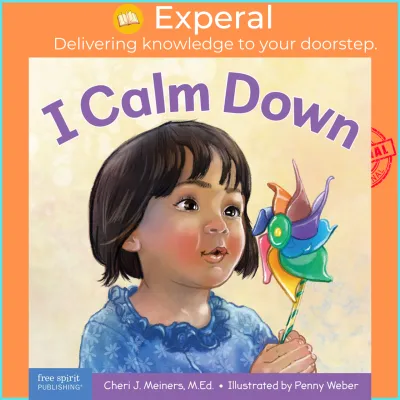
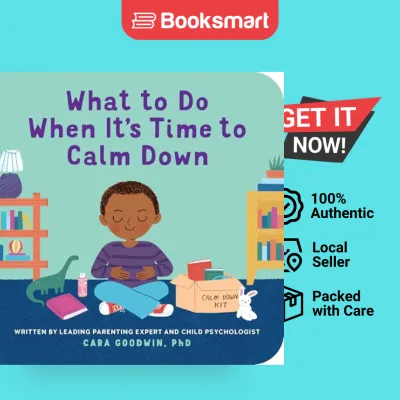
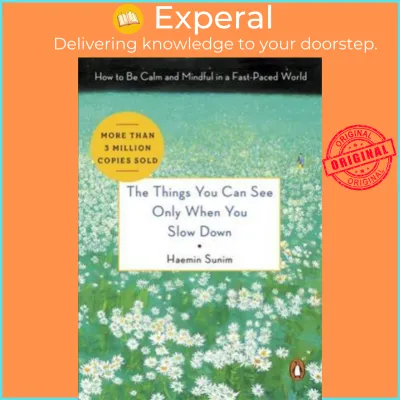
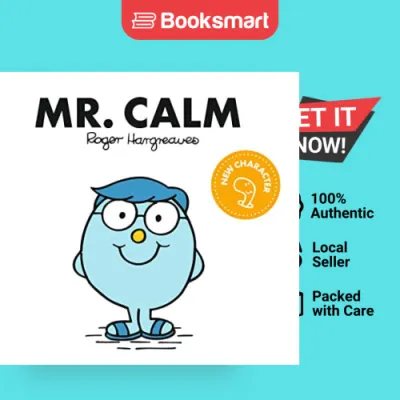
Prices are valid at publication and may change. Please refer to the product page for the latest price.
Cognitive reframing exercises help readers identify negative thought patterns and gently shift them toward more balanced perspectives. Creative expression sections, on the other hand, often utilize drawing prompts, journaling spaces, or coloring pages to help redirect nervous energy into a calming, tactile activity. The exact mix of these techniques depends heavily on the specific book you choose.
Because “My Calm Down Book” is a common title used by multiple authors and publishers, verifying the exact creator and format before purchasing is essential. One version might be a highly visual picture book designed for toddlers, while another could be a spiral-bound interactive workbook for school-aged children, or even a structured journal for adults.
To ensure the book matches your preferred learning style, take the time to examine the publisher’s description, look over the table of contents, or browse available digital sample pages. Checking these details beforehand helps you confirm whether the layout is highly structured with daily prompts or if it offers a more open-ended, self-paced format.
Who Actually Benefits From This Book?
The practical value of any emotional regulation book depends entirely on matching the material to the reader’s developmental stage and cognitive capacity. Early childhood editions are designed to build foundational emotional literacy. These versions help young children identify basic feelings like anger, sadness, or frustration through simple illustrations and repetitive, soothing language. Because young children cannot yet self-regulate independently, these books require active parental involvement to guide the child through the concepts and practice the exercises together.

In contrast, editions designed for teenagers or adults assume a much higher reading level and a longer attention span. These books typically feature text-heavy explanations of how stress affects the mind and body, alongside self-reflection prompts that require independent thought. To benefit from these versions, the reader must possess the willingness and focus required to engage in self-examination and complete written exercises.
To avoid mismatched expectations, carefully evaluate the visual style and language of the book before making a purchase. A book filled with bright, simplistic cartoon illustrations will likely fail to engage a teenager seeking serious stress-management tools. Conversely, a text-dense journal with minimal visual breaks will quickly overwhelm a young child. Choosing an edition that aligns with the user’s age and attention span ensures they remain receptive to the calming strategies presented.
Does It Deliver Real Value for Daily Stress Relief?
A self-help book or emotional regulation guide only delivers real value if the reader transitions from passive reading to consistent, active practice. Simply reading about deep breathing or grounding techniques does not build emotional resilience. The exercises must be practiced regularly during calm moments so that they become familiar, automatic habits that the reader can easily access during times of high stress or frustration.
These books are highly suitable for managing mild, everyday stressors, establishing calming bedtime routines, or navigating minor daily frustrations. For children, they serve as excellent tools for building a vocabulary around emotions and introducing basic coping mechanisms. For adults, they offer a structured space to pause, reflect, and reset during a busy day.
However, it is crucial to recognize the limitations of self-help literature. A book cannot provide instant fixes and should not be relied upon as a sole solution for severe anxiety, deep-rooted trauma, or acute emotional crises. Understanding this boundary helps you set realistic expectations and ensures you use the book as a supportive tool rather than a cure-all.
Your Pre-Purchase Checklist and Alternative Options
Before purchasing a copy of “My Calm Down Book” online, running through a quick checklist can prevent common shopping mistakes. First, verify the language of the edition and the publication year to ensure you are getting the most up-to-date content. Second, check the physical format—decide whether a durable hardcover, a flexible paperback, or a digital e-book best suits your lifestyle. Finally, review the seller’s return policy in case the physical quality or content does not meet your expectations upon arrival.
It is also wise to compare prices in S$ across reputable local and international online bookstores. Be cautious of unusually low prices on open online marketplaces, as these can sometimes indicate unauthorized, low-quality reprints with poor paper quality, blurry printing, or missing pages. Purchasing from established, authorized sellers guarantees you receive a genuine copy.
If you find that the book’s format does not align with your needs or your child’s learning style, consider alternative stress-relief tools. Guided audio applications can provide real-time breathing prompts, while specialized sensory toys offer tactile grounding. If self-guided tools feel insufficient, consulting a licensed professional can offer personalized, interactive support tailored to your specific situation.
Frequently Asked Questions (FAQ)
Can 'My Calm Down Book' replace professional therapy for anxiety?
No, self-help books are designed as supplementary tools for everyday emotional maintenance and general stress education. They cannot replace personalized clinical treatment. If you or your child are experiencing diagnosed anxiety disorders, persistent behavioral challenges, or severe emotional distress, you should consult a licensed mental health professional for proper support.
How do I choose the right edition or version online?
To ensure you purchase the correct book, search using the specific author’s name or the unique 13-digit ISBN rather than just the title. Carefully read the product specifications for the target age group, format, and page count. Avoid relying solely on the cover image, as different editions or completely different books can share very similar cover designs.
What if the exercises in the book do not work for me or my child?
If the book’s specific exercises do not produce a calming effect, it is best to pause and try different sensory, physical, or cognitive grounding techniques. Everyone responds differently to stress-relief methods. If standard self-help exercises continue to feel ineffective or cause frustration, consider seeking personalized guidance from an educator, pediatrician, or therapist.
Community discussion
Share your experience or ask a question. Comments are reviewed before publication.