
Choosing your first guitar is a pivotal step in your musical journey, and encountering entry-level brands like Octave is common when browsing local music shops or online marketplaces. Whether Octave is the right brand for you depends heavily on your ability to inspect the individual instrument, as budget-friendly guitars often exhibit variance in setup and build consistency. By understanding what to look for in terms of playability, hardware, and structural integrity, you can determine if a specific Octave model will support your learning or hinder your progress.
For a beginner, an instrument that is difficult to play or constantly slips out of tune can lead to frustration and early abandonment of the instrument. Rather than relying solely on brand reputation, evaluating a guitar based on its physical characteristics and setup quality is the most reliable path to finding a worthy starter instrument. This guide provides a practical framework to help you assess Octave guitars and compare them with other entry-level options in the market.
What Makes a Guitar Brand Suitable for Beginners?
When you are just starting out, the technical specifications of a guitar matter far less than how the instrument feels in your hands and how reliably it stays in tune. A beginner-friendly guitar must strike a balance between physical comfort, structural durability, and accessible pricing. If an instrument requires excessive finger pressure to produce a clean note, a novice player will quickly experience hand fatigue and soreness, which can stall their practice routine.
Products mentioned in this guide
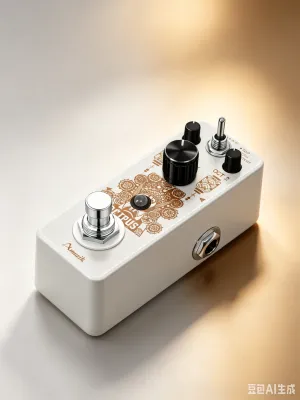
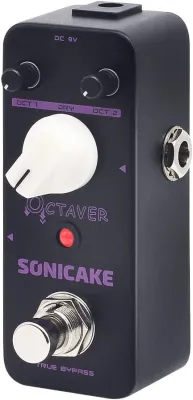
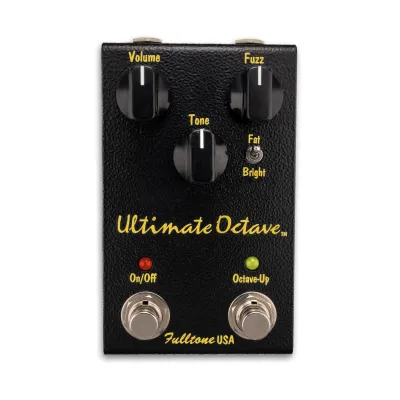
Prices are valid at publication and may change. Please refer to the product page for the latest price.
Playability is primarily determined by the neck profile, string action, and fretwork. The neck profile refers to the shape of the back of the neck; a comfortable C-shape or slim profile is generally preferred for beginners as it allows smaller hands to wrap around the fretboard easily. String action, which is the distance between the strings and the frets, must be set at an optimal height. If the action is too high, pressing the strings down becomes painful and difficult; if it is too low, the strings will vibrate against the frets, causing an undesirable buzzing sound.
Build quality is another critical pillar, especially when considering the environmental conditions of your local area. In tropical climates like Singapore, high relative humidity can cause wood to expand, warp, or crack if the instrument is not properly constructed or seasoned. A suitable beginner guitar should feature stable tonewoods—often laminated woods in budget ranges, which are actually more resistant to humidity fluctuations than solid woods—and robust hardware. The tuning machines must turn smoothly and hold tension without slipping, ensuring you spend more time practicing and less time tuning.
Finally, a consistent factory setup and accessible customer support are vital. Many budget brands ship instruments directly from factories with minimal quality control, leaving the final adjustments to the retailer or the buyer. A brand that partners with reputable local distributors or music shops ensures that the guitar you purchase has been unboxed, inspected, and adjusted for optimal playability before it reaches your hands. This local support is invaluable if you need to address warranty claims or seek advice on maintenance.
Evaluating Octave Guitars: Key Factors to Inspect
To determine if an Octave guitar is a suitable match for your needs, you should perform a hands-on inspection of the specific instrument you plan to buy. Because entry-level manufacturing can vary from one unit to the next, testing the exact guitar in person is always preferable to ordering blindly online. Begin your evaluation by checking the factory setup, focusing closely on the string height at both ends of the fretboard.

Press down on the strings at the first fret; there should be a very small, comfortable gap between the string and the fret wire. If the nut slots are cut too shallow, the action at the first fret will be high, making basic open chords like F major or B minor incredibly difficult to press. Next, look at the twelfth fret, where the gap should ideally measure around 2.0mm to 2.5mm for the high E string and 2.5mm to 3.0mm for the low E string. You can use a simple ruler or even a local coin, such as a Singapore fifty-cent coin (which is approximately 2.0mm thick), as a quick reference guide to check this clearance.
Run your fingers gently along both sides of the neck to inspect the fret edges. In poorly finished budget guitars, the metal fret wires may protrude past the edge of the wooden fretboard, creating sharp edges that can scratch your hand as you slide up and down the neck. The fretboard itself should feel smooth, and the frets should be level. If you notice any uneven frets, it can lead to localized fret buzz on specific notes, which requires professional leveling to fix.
Examine the structural joints of the Octave guitar, particularly where the neck meets the body. This joint is under immense tension from the strings, so there should be no visible gaps, hairline cracks, or excess glue squeezing out of the seams. Check the binding—the protective strip along the edges of the body—to ensure it is flush with the wood and free of peeling or rough patches. These visual details are strong indicators of the manufacturer’s attention to detail and overall quality control.
Lastly, test the hardware components by tuning the guitar up to pitch. Turn each tuning peg slowly; they should feel firm and smooth, without any sudden jumps, loose play, or grinding sensations. If a tuning machine feels loose, the gear inside may be slipping, which will cause the string to drop in pitch rapidly during play. Inspect the bridge pins on acoustic models to ensure they sit flush in their holes and hold the string ends securely against the bridge plate without lifting when you strum.
How to Compare Octave with Other Entry-Level Brands
When shopping for a beginner instrument, you will likely find Octave guitars positioned alongside several other entry-level brands in local music stores. To make an informed decision, you must compare these options across three main areas: the value of included accessories, the physical comfort of the body shapes, and the availability of local retailer support.
Many beginner guitars are sold as starter packages, which often include a gig bag, a clip-on digital tuner, a strap, spare strings, and picks. While these bundles seem highly convenient, it is important to evaluate the quality of the accessories rather than just their presence. A very thin, unpadded gig bag will offer little protection against physical impacts or the high humidity of Singapore, meaning you might need to spend an additional S$30 to S$50 on a padded case anyway. Compare the bundles of different brands to see if the included accessories are durable and functional, or if they are cheap add-ons that you will need to replace immediately.
The choice of tonewoods and body shapes also plays a significant role in your comfort and sound. Many entry-level brands, including Octave, offer dreadnought-shaped acoustic guitars, which are known for their loud volume and deep bass response. However, a dreadnought body can feel incredibly bulky and uncomfortable for younger players or those with smaller frames. If comfort is your priority, look for concert, auditorium, or parlor body shapes, which feature narrower waists and shallower depths, making them much easier to hold during long practice sessions.
Additionally, compare the tonewood laminates used by different brands. While solid wood tops offer superior resonance, high-quality laminated tops are highly durable and far less sensitive to temperature and humidity changes. If you live in a humid environment and do not have a dedicated climate-controlled room, a well-constructed laminated guitar from a reputable brand may actually be a more practical and low-maintenance choice than a cheap solid-wood instrument.
Finally, consider the retail ecosystem surrounding the brands you are comparing. A brand that is officially represented by an established local music store with a physical showroom offers a distinct advantage over brands sold exclusively through online marketplaces. If your guitar develops a warped neck or a loose bridge, having a physical store to visit for warranty claims, replacement parts, or professional setup services is far more convenient than dealing with international shipping and online customer service representatives.
Pre-Purchase Inspection Checklist for Your First Guitar
Before you finalize your purchase of an Octave guitar, whether in-store or immediately upon home delivery, use this step-by-step physical inspection checklist to ensure the instrument is free of manufacturing defects and ready to play.
- Visual Structural Check: Inspect the entire body for finish flaws, scratches, or dents. Pay close attention to the area around the bridge; there should be no gaps between the wooden bridge and the guitar top, as a lifting bridge is a serious structural defect that is costly to repair. Look inside the soundhole with a flashlight to check for loose internal bracing or excessive glue runs.
- Neck Alignment and Straightness: Hold the guitar at eye level and look down the edge of the neck from the headstock toward the body. The neck should appear relatively straight, with a very slight forward bow (neck relief). A severe upward bow or a back bow will cause severe playability issues and requires immediate truss rod adjustment.
- Fretboard and Playability Test: Play every single note on every string, starting from the first fret and moving all the way up the neck. Listen carefully for any buzzing sounds, muffled notes, or "dead" spots where the note does not ring out clearly. If multiple notes buzz, the guitar may require a setup or fret leveling.
- Intonation Check: Tune the guitar precisely using a digital tuner. Play an open string, then press the same string at the twelfth fret and play it again. The note at the twelfth fret should be exactly one octave higher and perfectly in tune. If the fretted note is significantly sharp or flat compared to the open note, the guitar's intonation is off, which can make chords sound out of tune as you play higher up the neck.
- Hardware and Electronics: Turn all control knobs and switches if you are inspecting an acoustic-electric model. Plug the guitar into an amplifier to ensure there are no crackling noises, loose jacks, or dead pickup zones. Verify that the battery compartment is clean and free of corrosion.
- Documentation and Policies: Confirm that the guitar comes with its original serial number intact, usually found on a label inside the soundhole or on the back of the headstock. Ask the retailer for written warranty documentation and clarify their return or exchange policy, especially if you are purchasing the instrument as a gift.
Frequently Asked Questions (FAQ)
Do I Need a Professional Setup for a New Octave Guitar?
Yes, it is highly recommended to have a professional setup performed on any new entry-level guitar, including those from Octave. While some guitars arrive from the factory in playable condition, many require minor adjustments to perform at their best. A professional guitar technician or luthier can adjust the truss rod to correct neck relief, file the nut slots to the perfect depth, and sand down the saddle to lower the string action. These adjustments typically cost between S$40 and S$80 at local music workshops, but they can transform a stiff, difficult-to-play instrument into a smooth, comfortable guitar that encourages you to practice more frequently.
Should I Choose an Octave Acoustic or Classical Guitar?
Your choice between an acoustic (steel-string) and a classical (nylon-string) Octave guitar should depend on your musical preferences and physical comfort. Classical guitars use nylon strings, which are much softer and gentler on beginner fingertips, making the initial learning phase less painful as you develop calluses. However, classical guitars have very wide, flat necks that require a larger hand span to play chords comfortably. Acoustic steel-string guitars have narrower necks that are easier to grip, but the high tension of the steel strings can be tough on your fingers initially. If you want to play folk, pop, or rock, go with an acoustic model; if you prefer classical music, flamenco, or traditional folk, a classical guitar is the ideal choice.

Community discussion
Share your experience or ask a question. Comments are reviewed before publication.