
When you are navigating the painful aftermath of a breakup, finding the right reading material can feel like searching for a lifeline. However, searching for resources under the title “Once Upon a Broken Heart” requires careful navigation. While the phrase evokes the whimsical world of young adult fantasy fiction, readers seeking genuine emotional recovery must distinguish between escapist narrative entertainment and structured, evidence-based self-help literature. Evaluating whether a book is truly worth your time and emotional energy during a vulnerable period depends entirely on verifying its contents, understanding its psychological framework, and matching its exercises to your current stage of healing.
Verifying the Correct Edition and Book Type
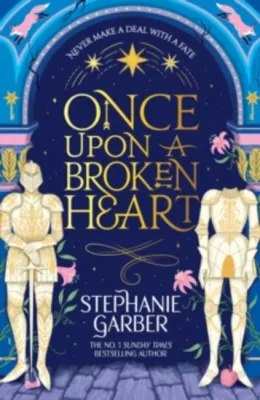
There is a highly popular fantasy novel titled Once Upon a Broken Heart by Stephanie Garber. If you are looking for clinical coping strategies, cognitive behavioral exercises, or structured relationship advice, purchasing a young adult fantasy novel will not serve your recovery goals, even if the story deals with themes of love and betrayal. Confusing a work of fiction with a psychological recovery guide can lead to frustration and delay your healing process.
To ensure you are buying a practical self-improvement guide rather than a fictional story, always verify the author’s credentials, the publisher, and the assigned International Standard Book Number (ISBN). Look for books officially categorized under psychology, self-improvement, personal growth, or emotional wellness. A reputable self-help book is typically written by a licensed therapist, psychologist, or relationship expert with verifiable professional credentials.
Products mentioned in this guide
![[Qiafa][3 Books]Once Upon A Broken Heart Series By Stephanie Garber :Once Upon A Broken Heart/A Curse for True Love/The Ballad The Ballad of Never After](https://img.lazcdn.com/g/p/84fe8b2c5bb57e73e8087af1c36765e2.jpg_400x400q80.jpg_.webp)


Prices are valid at publication and may change. Please refer to the product page for the latest price.
Before finalizing your purchase at a local Singapore bookstore or online retailer, read the publisher’s summary and examine the table of contents. A genuine recovery guide will outline chapters dedicated to emotional processing, cognitive reframing, or boundary setting, rather than character lists and narrative plot points. Additionally, confirm that your preferred format—whether a physical paperback, an e-book for your digital reader, or an audiobook—is fully compatible with your devices and fits your lifestyle.
Evaluating the Recovery Framework and Exercises
A self-help book is only as valuable as the psychological framework it employs. When evaluating a guide for emotional recovery, look closely at its core methodology. Effective recovery books typically draw from established therapeutic modalities such as Cognitive Behavioral Therapy (CBT), Acceptance and Commitment Therapy (ACT), mindfulness practices, or structured grief processing. Understanding the underlying theory helps you determine if the book’s approach aligns with your personal values and coping style.

Check the book’s description or introductory chapters to determine if it offers actionable, structured exercises. A book that relies solely on the author’s personal anecdotes or vague, motivational platitudes may offer temporary comfort but rarely provides the tools needed for long-term healing. Look for guided journaling prompts, thought records, behavioral activation schedules, or mindfulness exercises that invite active participation and help you apply the concepts to your daily life.
The tone of the book is equally critical to your progress. During heartbreak, your emotional capacity fluctuates. Some readers require a highly empathetic, nurturing tone that validates their deep grief, while others benefit more from a direct, challenging approach that encourages accountability and forward momentum. Assess whether the author’s voice aligns with what you need right now to feel supported rather than overwhelmed or patronized.
Matching the Book to Your Current Healing Stage
Emotional recovery is not a linear process, and a book that is perfect for someone six months post-breakup might feel incredibly jarring or unhelpful in the first week of a split. If you are in the early stages of heartbreak, your primary need is emotional stabilization and immediate grounding. Look for books that offer simple breathing exercises, crisis management tips, and gentle validation, rather than those demanding immediate, high-level self-reflection or radical life overhauls.
For those in the mid-to-late stages of recovery, the focus shifts from survival to growth. At this point, you are ready for tools that help you rebuild your personal identity, establish firm boundaries, analyze past relationship patterns, and plan for the future. A book focusing heavily on early-stage grief might feel repetitive or keep you stuck in a loop of rumination if you are already prepared to move forward.
Always remain highly attuned to your emotional limits while reading. If a specific chapter, exercise, or case study triggers intense distress, anxiety, or a sense of hopelessness, it is vital to recognize this boundary. You do not have to force your way through a book; pausing your reading, adjusting your daily pace, or setting the book aside in favor of professional mental health support is a sign of healthy self-regulation.
Finalizing Your Purchase and Exploring Alternatives
Once you have identified a recovery book that aligns with your needs, compare prices across authorized local retailers and online bookstores. In Singapore, prices can vary significantly between physical bookshops, local e-commerce platforms, and international digital book distributors. Ensure the cost in S$ fits comfortably within your personal budget, keeping in mind that investing in your mental well-being should not create financial stress.
Before checking out, seek out verified reader reviews. Look specifically for feedback from individuals who have actively completed the book’s exercises. Filter out generic praise like “life-changing” or “highly recommend” and focus on reviews that describe how the book helped—such as whether the journaling prompts were easy to follow or if the cognitive exercises genuinely helped reduce rumination.
Remember that self-guided reading is just one tool in a broader recovery toolkit. If you find that reading about heartbreak feels insufficient, or if you struggle to apply the book’s concepts to your personal situation, consider exploring alternative resources. Specialized recovery workbooks, local support groups, or one-on-one sessions with a licensed counselor or therapist can provide the personalized guidance and accountability that a book simply cannot offer.
Frequently Asked Questions (FAQ)
Can a self-help book replace professional therapy after a breakup?
No, a self-help book cannot replace professional therapy. While books are excellent, cost-effective tools for self-reflection, education, and general coping strategies, they lack the interactive, personalized, and clinical nature of professional mental health care. If you experience severe depressive episodes, prolonged inability to perform daily tasks, intense anxiety, or trauma responses that interfere with your well-being, it is crucial to consult a licensed therapist or counselor who can tailor support to your specific psychological needs.
How should I pace my reading during emotional recovery?
Pacing is essential when processing heavy emotional content. Rushing through a self-help book like a novel prevents you from fully absorbing the material and completing the reflective exercises. Aim to read just one chapter or section at a time, allowing yourself several days to practice the suggested techniques and sit with your thoughts. If you feel emotionally exhausted, anxious, or overwhelmed, take a break for a few days or switch to lighter, non-triggering reading material until you feel ready to resume.
Are audiobooks effective for heartbreak recovery?
Audiobooks can be highly effective, especially during the early stages of heartbreak when concentrating on physical text feels too mentally taxing. Listening to a compassionate narrator while resting, walking, or performing low-focus household tasks can offer a comforting sense of companionship. However, a major drawback of the audio format is the difficulty of engaging with written worksheets, journaling prompts, or interactive exercises. If you choose an audiobook, ensure you have a dedicated notebook nearby to write down your reflections, or check if the publisher provides a downloadable PDF companion containing the book’s practical exercises.
Community discussion
Share your experience or ask a question. Comments are reviewed before publication.