
Reading books on traditional folk remedies, such as historical barefoot doctor manuals, is highly valuable if your goal is to enrich your cultural, historical, and philosophical understanding of wellness. However, if you are looking for a practical, self-guided medical manual to diagnose or treat serious illnesses, these books are not suitable and can even be hazardous. Deciding whether to add these texts to your reading list depends entirely on aligning your learning objectives with the historical and educational nature of the material.
Whether you are browsing local bookstores in Singapore or spending S$15 to S$30 on a vintage volume online, understanding what these books offer is key. Approaching this literature with a critical, modern eye allows you to appreciate the evolution of community healthcare without compromising your physical safety.
What Traditional Folk Remedy Books Actually Offer
To understand whether these books are right for you, it is essential to clarify what they actually contain. Many of these texts, particularly historical barefoot doctor manuals or compilations categorized under 赤脚土方, were published during periods when formal medical infrastructure was scarce or inaccessible to rural populations. They were designed as highly practical, low-cost guides to help laypeople manage common health issues using locally available resources.
Products mentioned in this guide
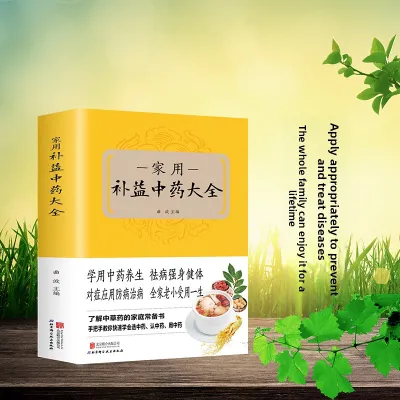
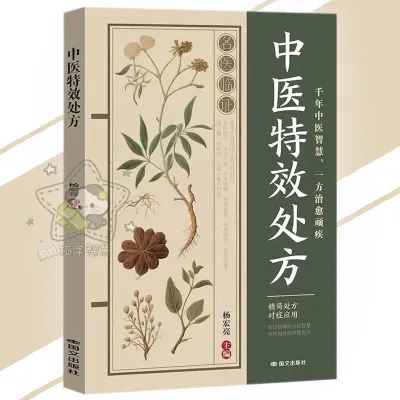
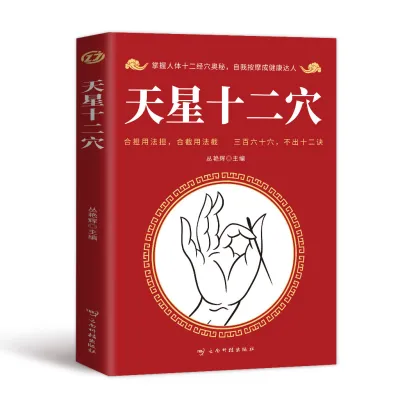
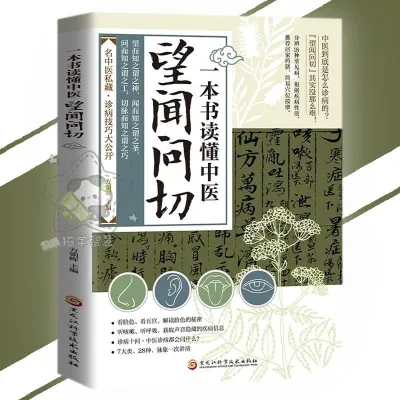
Prices are valid at publication and may change. Please refer to the product page for the latest price.
These books offer a fascinating look at grassroots healthcare, blending elements of traditional herbalism, basic hygiene, and empirical observation. However, there is a vast difference between empirical home care and modern clinical medicine. Empirical care relies on historical observation and remedies passed down through generations, whereas modern medicine requires rigorous scientific validation, standardized clinical trials, and strict safety controls.
When reading these texts, you will find that they primarily focus on accessible, low-tech comfort measures rather than definitive cures. They might suggest simple dietary adjustments, herbal teas, or physical techniques like acupressure to soothe minor discomforts. Recognizing this focus helps set realistic expectations, ensuring you view these books as historical records of community resilience rather than modern medical authorities.
Signs This Reading Material Aligns With Your Goals
Determining if this literature fits your personal development path depends on your specific learning objectives. If you have a keen interest in medical history, anthropology, or traditional wellness philosophies, these books are incredibly rich resources. They provide valuable insight into how previous generations conceptualized the human body, illness, and healing within their specific cultural and environmental contexts.

These texts are also highly suitable if your goal is to discover gentle, low-risk comfort measures for minor, everyday ailments. For instance, if you live in a warm, humid environment, you might be curious about the historical roots of cooling herbal teas or traditional dietary practices used to balance bodily heat. Learning the cultural background of these practices can deepen your appreciation for family traditions and local wellness customs.
Furthermore, if you want to build a broader, more holistic perspective on human health, reading folk remedy literature can be highly beneficial. It encourages you to think about wellness as an active, daily practice integrated with lifestyle, diet, and environment. As long as you approach the material with an analytical mind, it can serve as an engaging tool for personal growth and intellectual curiosity.
Critical Safety Limits and Red Flags to Recognize
While reading traditional folk remedy books can be intellectually stimulating, it carries significant risks if the information is misapplied. The most critical danger is the temptation to self-diagnose serious, acute, or chronic conditions using outdated texts. These books were written before the advent of modern diagnostic technology, and attempting to treat complex illnesses without professional guidance can lead to dangerous delays in receiving proper medical care.
Another major concern is the safety of the remedies themselves. Traditional texts often list botanical ingredients, herbs, or physical therapies without standardized dosages, safety warnings, or quality control guidelines. Some historical preparations may involve plants that carry high toxicity risks, cause severe allergic reactions, or interact dangerously with modern prescription medications. Without professional analysis, preparing these remedies at home can lead to accidental poisoning or organ damage.
Additionally, readers must learn to recognize when a text lacks modern scientific validation. Vintage manuals and folk compilations do not undergo peer review, clinical trials, or regulatory approval by modern health authorities. A remedy is not guaranteed to be safe or effective simply because it has been printed in a book for decades. Maintaining a critical boundary between historical curiosity and actionable medical advice is essential for protecting your well-being.
How to Safely Integrate Folk Knowledge Into Your Learning
To enjoy these books responsibly, you must establish a clear framework for integrating their concepts into your broader health knowledge. The first step is to treat every traditional claim as a historical hypothesis rather than an established medical fact. If you encounter an interesting remedy or wellness practice, cross-reference it with current, evidence-based medical databases or guidelines from reputable modern health organizations.
Before attempting to apply any herbal preparation, dietary change, or physical therapy mentioned in these texts, always consult a licensed healthcare professional. If you are interested in traditional therapies, seek out a registered practitioner who can evaluate the safety of the remedy in the context of your personal health profile, existing conditions, and current medications. This step is non-negotiable for ensuring your physical safety.
Ultimately, the safest approach is to treat traditional folk remedy books strictly as educational and cultural supplements. Allow them to inspire a mindful approach to daily wellness, balanced nutrition, and healthy lifestyle habits, but leave the diagnosing, prescribing, and treating to qualified modern medical professionals. By keeping this clear distinction, you can enrich your mind without putting your health at risk.
Frequently Asked Questions (FAQ)
Are barefoot doctor manuals still relevant for modern home care?
Barefoot doctor manuals, often associated with the historical 赤脚土方 genre, hold immense value as historical and cultural documents, but their practical relevance for modern home care is highly limited. While some basic principles of hygiene, sanitation, and simple first-aid remain universally applicable, the specific medical treatments and herbal recipes they contain should not be used as primary care guides. Modern healthcare offers far safer, standardized, and scientifically proven alternatives for managing illness.
Can I use folk remedies for minor everyday discomforts?
You can occasionally use gentle, traditional comfort measures for minor, self-limiting discomforts, provided you verify their safety first. Simple practices like drinking warm ginger tea for mild digestive chill or using warm compresses for minor muscle tension are generally low-risk. However, you must always ensure the ingredients are sourced safely, check for potential allergies, and immediately consult a doctor if your symptoms persist, worsen, or are accompanied by more serious signs of illness.
Community discussion
Share your experience or ask a question. Comments are reviewed before publication.