
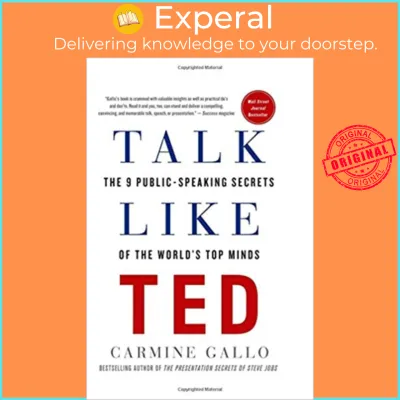
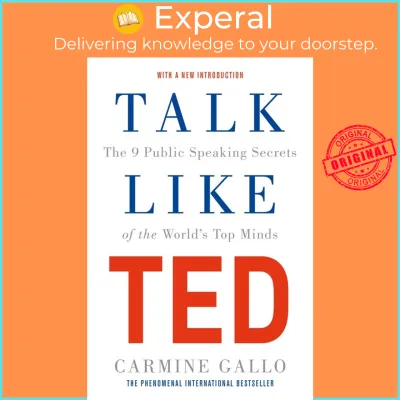
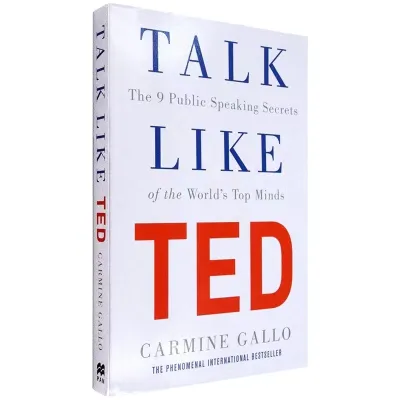
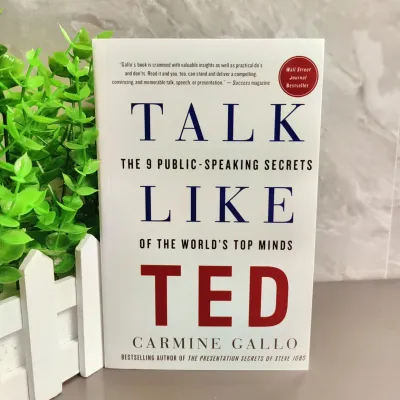
“Talk Like TED” by Carmine Gallo remains a popular public speaking guide, but its value depends heavily on your current skill level and professional context. If you struggle with dry, slide-heavy presentations and want to learn how to connect with an audience on an emotional level, this book offers a highly structured, actionable blueprint. It translates the abstract art of charisma into repeatable steps by analyzing some of the most successful presentations in the world.
However, the book is not a universal solution. Experienced presenters who already understand narrative structure may find the advice somewhat repetitive, while those working in highly technical or formal corporate environments might struggle to apply its theatrical techniques. To determine whether this book deserves a spot on your shelf, you need to weigh its core frameworks against your specific professional goals and presentation environments.
What Core Presentation Frameworks Does the Book Teach?
The core methodology of the book is built around three primary pillars: emotional connection, novelty, and memorability. By structuring the book around these concepts, the author attempts to demystify what makes a presentation truly engaging. Each section is backed by analyses of popular presentations, breaking down why certain speeches resonated so deeply with global audiences.
Products mentioned in this guide
![EBOOK How to Deliver a Great TED Talk - Karia Akash [Full Version]](https://img.lazcdn.com/g/p/376edf13270c2ff6dc5937cb5ad184f6.jpg_400x400q80.jpg_.webp)
Prices are valid at publication and may change. Please refer to the product page for the latest price.
The first pillar, emotional connection, focuses on storytelling and authentic passion. The book teaches that facts alone rarely persuade; instead, you must wrap data in a compelling narrative. It encourages speakers to share personal stories, use metaphors, and show vulnerability to build trust. This helps you appeal to the audience’s feelings, which is often the missing link in dry corporate presentations.
The second pillar, novelty, explores how to deliver information that feels fresh and unexpected. Because the human brain is wired to pay attention to new things, you must find a unique angle or present an unexpected statistic to capture interest. This framework teaches you how to structure key messages so they stand out, ensuring your audience learns something new rather than sitting through a rehash of familiar concepts.
The final pillar, memorability, provides practical tactics for making your message stick. This includes the “18-minute rule,” which aligns with human attention spans, and techniques like creating a “jaw-dropping moment” that people will talk about later. The book also touches on slide design, advocating for minimal text and high-quality visuals, though it keeps these design principles relatively high-level rather than offering a step-by-step software tutorial.
Ultimately, the book excels at distinguishing between abstract communication theories and immediately applicable stage tactics. While explaining the science behind why these techniques work, it quickly pivots to actionable rules. You will walk away with concrete guidelines, such as keeping slides simple, practicing delivery until it feels natural, and structuring your talk to fit within strict time limits.
Who Will Actually Benefit from the "TED Style"?
The “TED style” of presenting is highly effective, but it is optimized for specific types of communication. Beginners and intermediate speakers who feel anxious about structuring a talk will find this book incredibly reassuring. It provides a clear, step-by-step template that removes the guesswork from preparation, allowing you to build a solid foundation even if you have never delivered a major keynote before.

Entrepreneurs, corporate leaders, and creative professionals who need to pitch ideas, raise capital, or inspire teams will find immense value here. If your job requires packaging complex, technical concepts into a narrative that non-experts can easily understand, the book’s focus on storytelling and simplicity is highly relevant. It teaches you how to strip away jargon and focus on the core message that matters to your listeners.
Furthermore, this book is an excellent tool for anyone looking to break free from traditional, slide-heavy corporate presentations. If your current habit is to read bullet points off a screen while your audience tunes out, the book offers a clear path toward a dynamic, audience-centric approach. It challenges you to step out from behind the podium and engage directly with the room.
However, if you are already an experienced public speaker comfortable with storytelling, audience engagement, and slide design, your baseline may already exceed the book’s foundational advice. These concepts, while highly effective, are widely discussed in the professional speaking community. If you are looking for advanced training on vocal mechanics, complex rhetorical devices, or highly specialized negotiation tactics, this book may feel too introductory.
What Are the Book's Limitations for Modern Speakers?
While the book offers excellent foundational advice, it is important to recognize its limitations in today’s professional landscape. One primary risk is the over-application of a standardized formula. The highly polished, theatrical style of a TED Talk is not always appropriate for everyday business settings. Delivering a highly emotional, story-driven keynote during a routine internal budget review or a formal compliance meeting can come across as performative or out of touch.
Another significant limitation is the book’s focus on traditional, physical stage setups. Written before the widespread shift to remote and hybrid work, it offers very little guidance on presenting effectively over video conferencing software. Delivering a presentation to a camera while managing a virtual chat, keeping remote participants engaged, and troubleshooting technical issues requires a completely different set of skills not covered in these chapters.
Additionally, the book lacks deep-dive coaching on the physical mechanics of speaking. While it emphasizes body language and vocal modulation, it does not provide detailed exercises for correcting poor posture, managing stage fright, or improving vocal projection. If you struggle with physical anxiety or need hands-on help with your delivery style, you will likely need to supplement this reading with practical workshops or specialized coaching.
Finally, the “TED style” can sometimes feel overly rehearsed, stripping away the spontaneity and authenticity that modern audiences crave. In highly sensitive or somber situations, such as delivering bad news to a company or addressing a crisis, a highly polished, dramatic presentation can feel inappropriate. In these scenarios, a more conversational, direct, and less structured approach is required to build genuine trust.
How to Decide: Buy, Borrow, or Skip?
Deciding whether to buy, borrow, or skip this book depends on your immediate presentation needs and learning preferences. If you are actively preparing for a high-stakes keynote, a major product launch, or a crucial investor pitch, investing in a personal copy is highly recommended. Having the physical or digital book on hand allows you to use it as a reference guide, making it easy to flip back to specific chapters as you draft and refine your presentation.
For casual readers, students, or those who simply want to refresh their communication skills, borrowing the book from a local library or listening to the audiobook version is often sufficient. The core concepts are straightforward and can be easily absorbed during a few commute sessions. An audiobook can be particularly effective, as you can hear the pacing and vocal delivery of the examples described in the text.
Before making a purchase, it is wise to verify current S$ prices, edition details, language, and format availability at your preferred local or online bookstores. Checking these specifications beforehand ensures you get the correct version and the best value for your budget.
If you decide to skip the book because you need more specialized training, there are several alternative resources to consider. For those focusing on virtual delivery, look for modern guides specifically tailored to online presenting and remote audience engagement. If your primary struggle is slide design, investing in books or courses dedicated to visual storytelling and data visualization will yield better results than the high-level advice offered here.
Frequently Asked Questions (FAQ)
How long does it take to read and apply the core concepts?
Reading the book from cover to cover typically takes around five to seven hours, depending on your reading speed. The chapters are structured logically, with clear headings and summaries that make it easy to digest the material in short sessions. If you are on a tight deadline before an upcoming presentation, you can easily skim the book by focusing on the summary sections at the end of each chapter and reading the specific case studies that match your topic.
Applying the core concepts to an existing presentation draft can take anywhere from a few hours to several days. Rewriting your content to fit a narrative structure, simplifying your slides, and practicing your delivery to fit within a specific timeframe requires a deliberate time investment. For a high-stakes presentation, it is best to allow at least two weeks to fully integrate the book’s three pillars into your preparation routine.
Is the book useful for non-native English speakers?
Yes, the book is highly useful for non-native English speakers because its core frameworks focus on universal communication principles rather than language fluency. The emphasis on visual storytelling, simple slide design, and clear structural pacing transcends language barriers, making it easier to connect with diverse audiences regardless of your native tongue. By focusing on a simple, powerful message, you can deliver an impactful presentation even with a limited vocabulary.
However, non-native speakers should be mindful of the culturally specific humor, idioms, and narrative examples used throughout the book. Some of the storytelling techniques popular in Western contexts may need to be adapted to align with the cultural norms of your specific audience. When presenting in multilingual or diverse settings, focus on the structural advice—such as the 18-minute rule and the use of strong visuals—while keeping your language direct, clear, and free of localized slang.
Community discussion
Share your experience or ask a question. Comments are reviewed before publication.