
In Singapore’s highly competitive professional landscape, navigating corporate dynamics requires more than just technical expertise. Whether you are working within a multinational corporation in the Central Business District, climbing the ranks of a local statutory board, or scaling a fast-growing startup, understanding workplace politics is often crucial for career survival. Robert Greene’s controversial book, the 48 laws of power, has long been a staple of career self-help shelves, promising to decode the hidden rules of social influence. However, its ruthless, Machiavellian reputation often leaves readers wondering if the text is genuinely useful or simply a guide to toxic workplace behavior.
The short answer is that the book is highly worth reading, but only if you approach it with the correct mental framework. Rather than treating it as an offensive manual for daily interactions, successful professionals use it as a defensive shield to identify and neutralize manipulative behavior. Applying these laws literally in a modern, collaborative office environment can quickly backfire, making it essential to understand how to filter Greene’s historical advice for today’s workplace.
Why the 48 Laws of Power Remains a Trending Staple
Robert Greene’s core premise is that human behavior is fundamentally driven by timeless desires for influence, status, and security. By analyzing thousands of years of historical power dynamics—drawing from the strategies of figures like Sun Tzu, Queen Elizabeth I, and Julius Caesar—Greene attempts to map out the unspoken rules of social hierarchy. This deep historical grounding is precisely why the book has maintained its staying power in the self-improvement category, outlasting superficial corporate management trends.
Products mentioned in this guide
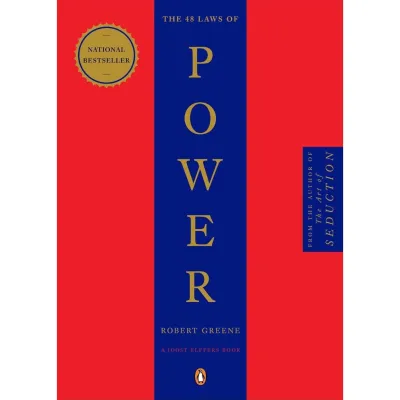
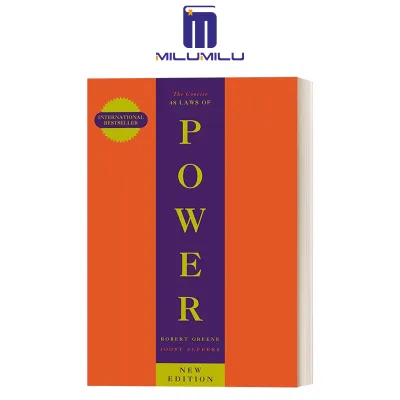





Prices are valid at publication and may change. Please refer to the product page for the latest price.
In recent years, the book has experienced a massive resurgence on social media platforms, frequently highlighted by online influencers as a cornerstone of “hustle culture.” These platforms often distill the laws into short, aggressive video clips, presenting them as quick hacks for corporate dominance. This superficial framing, however, misrepresents the book’s true value. The popularity of the text persists because it addresses uncomfortable, raw truths about human ambition that polite, mainstream business literature tends to ignore.
Rather than offering temporary corporate hacks, the book acts as an observational study of human nature. It exposes the reality that organizational decisions are not always made purely on merit, and that personal egos often play a decisive role in professional outcomes. By understanding these timeless dynamics, you gain a clearer perspective on why certain organizational shifts occur and how to position yourself strategically within them.
Evaluating the Practical Value of the 48 Laws of Power
When applied to modern corporate environments, several of Greene’s concepts provide highly effective frameworks for managing your professional reputation. For example, the concept of managing perceptions and understanding the unspoken motives of stakeholders is incredibly practical. In high-stakes meetings or cross-functional projects, learning when to practice strategic silence can prevent you from making political errors and allow you to gather critical information before acting.

However, the book’s heavily cynical and manipulative tone presents significant limitations. Many of the historical examples involve extreme, high-stakes scenarios of survival and betrayal that simply do not translate to modern, collaborative corporate cultures. Today’s most successful organizations prioritize psychological safety, open communication, and mutual trust. Actively practicing deception or keeping your colleagues off-balance will quickly destroy your professional credibility.
To extract genuine value from the text, you must establish a clear mental filter: separate defensive awareness from offensive tactics. Defensive awareness involves using the laws to recognize when a toxic colleague is attempting to undermine your work, take credit for your achievements, or isolate you from key decision-makers. Recognizing these patterns allows you to set firm boundaries and protect your career progression without resorting to underhanded behavior.
Using these laws offensively, on the other hand, is highly counterproductive. In a tightly-knit professional community like Singapore, where industry circles are small and reputations are easily shared, a track record of manipulation or untrustworthiness is incredibly difficult to shake. Treating the book as a diagnostic tool for human behavior, rather than a literal step-by-step rulebook, ensures you protect your career while maintaining your professional integrity.
Who Benefits Most (and Who Should Skip It)
Ideal Readers
- Professionals in Highly Competitive Industries: Those working in politically charged environments, such as investment banking, corporate law, or large multinational companies with rigid hierarchical structures, will find the book's insights into organizational power dynamics highly relevant.
- Entrepreneurs and Negotiators: Business owners who must negotiate with aggressive stakeholders, manage difficult partnerships, or protect their ventures from hostile market tactics can use these frameworks to anticipate competitor moves.
- Individuals Dealing with Toxic Environments: If you currently work under a manipulative manager or alongside highly political colleagues, this book serves as an excellent survival guide to help you protect your work and maintain your composure.
Readers Who Should Skip
- Collaborative Leaders and People Managers: If your primary goal is to build cohesive, high-performing teams based on trust, empathy, and psychological safety, Greene's strategies will be highly counterproductive to your leadership style.
- Those Seeking Technical Career Advice: The book does not offer practical guidance on skill-building, technical execution, or modern project management methodologies.
- Advocates of Positive Psychology: Readers who prefer self-help literature focused on emotional intelligence, mindful communication, and constructive relationship-building may find the book's pessimistic worldview draining and unhelpful.
The risk of misapplying the book’s advice is substantial. If you adopt a highly cynical mindset, you may begin to view every colleague as an adversary, leading to paranoia and isolation. Long-term career growth relies heavily on building genuine, mutually beneficial professional networks. If you fail to balance Greene’s lessons with emotional intelligence, you run the risk of alienating valuable mentors and peers who could have supported your professional journey.
Choosing the Right Edition and Format Before You Buy
Selecting the appropriate format and edition is a crucial step before purchasing the book, as it directly impacts how effectively you can digest its dense material. The complete, unabridged physical paperback or hardcover edition is notoriously thick, featuring extensive side margins packed with historical parables, quotes, and analytical essays. While this layout makes for an engaging reading experience at home, the book’s weight and bulk make it highly inconvenient for reading during a daily MRT or bus commute.
For professionals who prefer to read on the go, investing in an e-book version for an e-reader or a high-quality audiobook format is highly practical. Audiobooks allow you to absorb the historical anecdotes during your daily commute or workout, making the dense historical context much easier to process.
Before making your purchase, it is absolutely essential to verify the specific edition you are buying. Many online marketplaces and local book retailers offer “concise” or summarized versions of the book. While these smaller editions are cheaper and more portable, they are highly discouraged for first-time readers. The concise versions strip away the historical context and parables, leaving behind only the blunt, aggressive laws. Without the accompanying historical analysis, the laws sound incredibly sociopathic and are far more likely to be misinterpreted or misapplied.
Always check the page count, publisher details, and authorized source when purchasing from online platforms to ensure you are receiving the complete, unabridged text. Verifying these specifications ensures you get the full context necessary to understand the nuances and limitations of each law.
Final Verdict: Reading With a Critical Mind
Ultimately, the book is a highly valuable investment of your time and money, provided you approach it as an analytical study of human behavior rather than a personal code of conduct. It offers an eye-opening look at the darker side of professional ambition, giving you the tools to spot political maneuvers and protect your career from workplace manipulation.
To build a balanced and healthy professional skillset, you should avoid reading this book in isolation. Consider pairing it with modern literature on emotional intelligence, collaborative leadership, and principled negotiation. Balancing Greene’s realistic, often pessimistic view of human nature with frameworks that emphasize trust and empathy will give you a much more rounded approach to career advancement.
If you decide to purchase the book, start by reading the first few chapters purely as historical case studies. Observe how the author analyzes the strategic successes and failures of historical figures. Evaluate whether Greene’s analytical style and focus on power dynamics align with your personal ethics and career goals before committing to reading all 48 laws. This critical approach ensures you extract the maximum defensive value from the book while keeping your professional relationships intact.
Frequently Asked Questions (FAQ)
Should I read 'The 48 Laws of Power' or 'The Laws of Human Nature' first?
Deciding which of Robert Greene’s books to read first depends entirely on your current career stage and immediate professional goals. The 48 Laws of Power focuses primarily on external strategy, competitive dynamics, and navigating immediate office politics. It is highly suitable for professionals who need practical, immediate frameworks to defend themselves in highly competitive, politically charged environments or high-stakes negotiations.
In contrast, The Laws of Human Nature takes a much broader, deeper look at internal psychology, cognitive biases, and the root causes of human behavior. It focuses on empathy, self-awareness, and understanding why people act the way they do, making it an excellent resource for leaders, managers, and team builders who want to foster long-term cooperation and build cohesive teams.
If you are currently facing active workplace politics or need immediate defensive strategies, start with The 48 Laws of Power. If you are looking to develop long-term emotional intelligence, self-mastery, and leadership skills, The Laws of Human Nature is the better starting point.
Community discussion
Share your experience or ask a question. Comments are reviewed before publication.