
Deciding whether to invest your time and money in a self-improvement book requires looking past eye-catching titles and bold marketing claims. “The Black Book of Power” promises to demystify the mechanics of influence, personal authority, and social dynamics. Whether this book is worth reading depends heavily on your current professional challenges, your personal values, and how you prefer to digest self-help material. For readers seeking a pragmatic, boundary-focused guide to navigating competitive environments, it offers distinct utility; however, those looking for collaborative, empathy-driven leadership strategies may find its tone misaligned with their goals.
Confirming the Book's Identity and Core Premise
Before purchasing any book on power dynamics, you must verify its exact bibliographic details. Because titles containing “power” or “black book” are highly common in the self-help genre, check the author’s name, the publication year, and the publisher’s imprint. This prevents accidentally purchasing a different text, such as historical treatises or unrelated political essays.
Next, evaluate the format that best fits your lifestyle. Whether you prefer a physical paperback for active note-taking, an e-book for digital highlighting on your tablet, or an audiobook for your daily commute, confirm the edition’s language and completeness. Some digital editions on third-party platforms may suffer from poor formatting or missing chapters, so verifying the publisher’s official distribution channels is essential.
Products mentioned in this guide

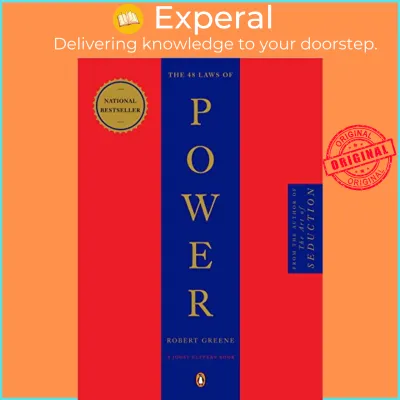

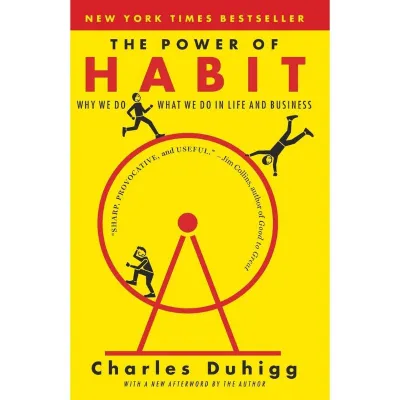
Prices are valid at publication and may change. Please refer to the product page for the latest price.
The core premise of the book centers on the idea that power is a neutral resource. Rather than viewing power as an inherently corrupting force, the text positions it as a necessary tool for self-preservation, personal autonomy, and strategic influence. By analyzing the official synopsis and table of contents, readers can see that the book aims to dismantle naive assumptions about social interactions, replacing them with a realistic framework for managing personal and professional relationships.
Assessing the Practical Value for Your Personal Growth
To determine if this book will genuinely aid your personal development, you must look at how its concepts are delivered. A valuable self-improvement book balances historical context with actionable, real-world advice. If a text relies too heavily on ancient anecdotes or abstract theories, you may struggle to apply its lessons to modern scenarios, such as negotiating a salary increase or managing a difficult colleague.

Analyze whether the strategies lean toward defensive boundary-setting or aggressive manipulation. Defensive tactics—such as identifying manipulative behavior in others, establishing firm personal boundaries, and protecting your intellectual contributions—are universally beneficial. Conversely, highly aggressive or transactional tactics require careful ethical consideration, as they can alienate peers if applied carelessly in collaborative environments.
Consider the book’s structural layout and readability. Some readers prefer a highly structured format with clear summaries, bullet points, and immediate action steps at the end of each chapter. Others benefit more from narrative-driven chapters that encourage deep, reflective study over several weeks. Reviewing sample pages or the introductory chapter can help you assess whether the writing style matches your preferred learning pace.
Who Should Read It and Who Should Skip It
This book is particularly suited for professionals operating within highly competitive corporate structures, such as those found in major financial hubs like Singapore. If you frequently find yourself navigating complex office politics, negotiating high-stakes contracts, or struggling to assert your authority in group settings, the pragmatic frameworks presented can provide a useful blueprint. It is also highly relevant for entrepreneurs who need to establish leverage when dealing with larger, more established partners.
However, there are clear red flags that suggest you should skip this title. If your primary goal is to foster empathetic leadership, build highly collaborative cross-functional teams, or study positive psychology, this book’s analytical and sometimes transactional approach will likely feel counterproductive. It does not focus on emotional vulnerability or consensus-building, which are critical components of modern, people-first management styles.
Adopting a purely strategic, Machiavellian worldview carries inherent psychological and social risks. Constantly viewing personal relationships through the lens of leverage, transaction, and power dynamics can lead to chronic cynicism and isolation. Over time, applying these tactics to friends, family, or long-term professional networks can erode trust, which is far more difficult to rebuild than it is to maintain through genuine, empathetic communication.
Alternative Reads if This Book Isn't the Right Fit
If you decide that a raw, power-centric approach does not align with your self-improvement goals, several alternative paths exist. Look for books that prioritize ethical influence, constructive conflict resolution, and emotional intelligence. These alternatives teach you how to achieve your objectives through mutual benefit, active listening, and collaborative negotiation rather than strategic positioning.
When comparing different books in this genre, evaluate their underlying psychological frameworks. Classic texts in behavioral psychology and principled negotiation often rely on empirical research and structured case studies, offering a more scientific foundation than books based on personal philosophy or historical anecdotes. Understanding these differences helps you select a text that matches your preferred level of evidence and methodology.
To explore these alternatives or purchase your chosen book, check authorized online bookstores or official brand channels. This ensures you receive a high-quality, complete edition rather than a poorly formatted counterfeit. When browsing, you can compare current pricing in S$, check local stock availability, and read verified customer reviews to make an informed decision that fits your budget and learning objectives.
Frequently Asked Questions (FAQ)
Is 'The Black Book of Power' suitable for beginners in self-improvement?
It is generally better suited for readers who already have some experience with self-improvement literature and professional environments. Beginners may find the direct, pragmatic focus on power dynamics somewhat cynical or overwhelming without a pre-existing foundation in basic communication and emotional intelligence. A mature, critical mindset is necessary to separate strategic professional advice from general social cynicism, ensuring you apply the concepts constructively rather than defensively.
How should I apply the book's strategies without damaging my relationships?
The key lies in deliberate context-switching between your professional and personal lives. While strategic negotiation, firm boundary-setting, and leverage-based thinking can protect your interests in a competitive workplace, they are often destructive when applied to personal relationships. In your personal life, prioritize empathy, vulnerability, and mutual support, reserving the book’s more transactional strategies for formal, professional, or highly competitive scenarios where clear boundaries are essential.
Community discussion
Share your experience or ask a question. Comments are reviewed before publication.