
Choosing your first guitar is a critical step, and the Bridge 75 represents an option that many entry-level players consider. Whether this model is the right fit depends on its physical configuration, your personal comfort, and how well its build quality handles local environmental conditions. Before committing, you must verify its specifications, playability, and how it aligns with your learning goals.
For a beginner, a guitar must lower the barriers to practice. If an instrument is difficult to press down, goes out of tune constantly, or feels physically awkward, it can quickly derail your motivation. Evaluating the Bridge 75 requires looking past aesthetic appeal and focusing on the tangible factors that influence daily practice.
Identifying Your Beginner Goals and Physical Needs
Before evaluating any specific instrument like the Bridge 75, you must define your primary musical goals. Different genres require distinct physical characteristics. For instance, if your goal is to play folk or pop strumming patterns, a steel-string acoustic guitar is typically the standard choice. Conversely, if you are drawn to classical arrangements, a nylon-string classical guitar with a wider fretboard is necessary. Verify which category the specific Bridge 75 unit falls under before buying.
Products mentioned in this guide
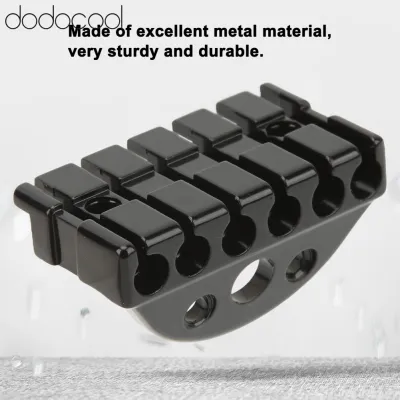
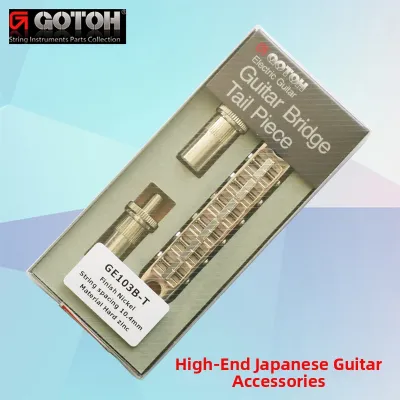
Prices are valid at publication and may change. Please refer to the product page for the latest price.
Physical comfort is another highly personal factor. Your hand size and arm length play a major role in how comfortable an instrument feels. A guitar with a shorter scale length or a slimmer neck profile is often easier for players with smaller hands to navigate. When researching the Bridge 75, check the manufacturer’s specifications for the nut width and scale length to ensure they match your physical proportions.
Furthermore, consider the level of versatility you require. Some beginners prefer a highly versatile instrument that can handle multiple playing styles, from light fingerpicking to heavy strumming. Ensuring the physical design of the guitar matches your musical direction prevents the need for a costly replacement early in your learning journey.
Inspecting Playability and Setup on the Bridge 75
Playability is the single most important factor for a beginner. When inspecting a Bridge 75 unit, the first element to check is the string action, which is the height of the strings above the fretboard. Measure the action at both the nut and the 12th fret. If the strings are too high, you will need to exert excessive finger pressure to produce a clean note, leading to rapid hand fatigue. If the action is too low, the strings will buzz against the frets.

Next, carefully examine the neck profile and the fretboard. Run your fingers along the edges of the neck to check for sharp fret ends. In budget-friendly instruments, fret ends are sometimes left unfinished, which can scratch your hands during chord transitions. The width of the fretboard should allow your fingers to press individual strings without accidentally muting adjacent ones.
Finally, assess the physical dimensions of the guitar body. Sit down with the instrument and hold it in a standard playing position, then stand up using a strap. Pay attention to the body depth and weight distribution. A guitar that feels too bulky or heavy will discourage long practice sessions, whereas a well-contoured body allows your arm to rest naturally.
Evaluating Build Quality and Climate Resilience
The materials used in a guitar’s construction directly impact its durability, tone, and maintenance. When looking at the Bridge 75, verify whether it is constructed from solid tonewoods, laminated woods, or a combination of both. Solid wood offers a richer tone that matures over time but is highly sensitive to environmental changes. Laminated wood is structurally more stable and less prone to cracking, making it a practical choice for beginners.
In Singapore, the tropical climate presents unique challenges. High relative humidity and rapid temperature fluctuations between air-conditioned indoor spaces and humid outdoor environments can cause wood to swell or warp. This warping can severely alter the guitar’s action and intonation. If you choose a model with solid wood components, you must be prepared to monitor the storage environment or invest in humidity control accessories.
Additionally, inspect the hardware components of the Bridge 75. The tuning machines should turn smoothly without slipping, as stable tuning is essential for developing your pitch recognition. Check the bridge pins and the bridge itself to ensure there are no visible gaps between the wooden bridge and the guitar body, which could indicate structural failure under string tension.
Weighing the Budget and Long-Term Value
When purchasing your first instrument, balancing the initial cost against long-term value is essential. Compare the retail price of the Bridge 75 in S$ with other established beginner models in the local market. An entry-level guitar should offer a reasonable entry point without sacrificing the basic playability needed to learn effectively. Avoid ultra-cheap options that compromise on structural integrity, as they often cost more in repairs than the instrument is worth.
Many retailers offer beginner bundles that package the guitar with essential accessories. Evaluate whether purchasing a Bridge 75 bundle—which might include a gig bag, digital tuner, strap, and picks—provides better value than buying the guitar as a standalone item. If you already own some of these accessories, or if the bundled items are of low quality, purchasing the guitar individually and selecting your own accessories may be the more cost-effective route.
Consider also the potential resale value and your future upgrade path. If you stick with the guitar, you may outgrow an entry-level instrument within two to three years as your technique improves. A guitar from a recognized brand with a reputation for durability typically holds its resale value better on local secondhand marketplaces, allowing you to recoup some of your initial S$ investment when you are ready to upgrade.
Making Your Final Decision on the Bridge 75
The Bridge 75 can be a suitable starting point if its physical specifications align with your body size and musical interests. It is a strong match for beginners who find its neck profile comfortable, its body size manageable, and its price point within their designated budget. If the unit you test exhibits low, comfortable action and stable tuning, it can provide a reliable platform for mastering your first chords.
However, the instrument may not be the right choice if you discover physical limitations during a hands-on test. If the neck feels too wide for your hands, or if the local climate makes maintaining the wood too difficult, looking at alternative models with laminated construction or different body shapes is a wiser path. Never rush into a purchase based on aesthetics alone if the playability does not meet your needs.
Before making your final purchase, the most reliable step is to visit a local music store to test the exact Bridge 75 unit in person. If you are purchasing online, carefully verify the retailer’s return policy and warranty terms. Ensure that you have a window to return or exchange the instrument if it arrives with setup issues or structural defects.
Frequently Asked Questions (FAQ)
Does the Bridge 75 require a professional setup out of the box?
Most factory-shipped guitars, including the Bridge 75, benefit significantly from a professional setup. Shipping and storage conditions can alter the wood and string height, so having a local luthier adjust the action and neck relief ensures optimal playability. Check if your local retailer includes a complimentary initial setup with your purchase, or budget a small amount to have it adjusted professionally.
Is the Bridge 75 suitable for both acoustic and classical playing styles?
Suitability depends entirely on the specific model’s design and string configuration. You must check whether the Bridge 75 you are looking at is designed for steel strings (acoustic) or nylon strings (classical). Never attempt to put steel strings on a guitar designed for nylon strings, as the significantly higher tension can warp the neck and rip the bridge off the body.
What essential accessories should I budget for alongside the Bridge 75?
When planning your total S$ budget, remember to factor in essential accessories that do not always come with the guitar. You will need a reliable digital clip-on tuner, a selection of picks, a comfortable strap, and a capo for changing keys. Additionally, a sturdy guitar stand and a padded gig bag are crucial for protecting your instrument from physical damage and dust at home.
Community discussion
Share your experience or ask a question. Comments are reviewed before publication.