
Quick Answer: Does 'The Correspondent' Match Your Growth Needs?
Determining whether a non-fiction book like ‘The Correspondent’ aligns with your self-improvement goals depends entirely on the type of personal development you want to achieve. Personal growth generally falls into three distinct categories: tactical habit-building, cognitive or mindset shifts, and systemic or societal understanding. If you are looking for a step-by-step daily planner, immediate productivity hacks, or quick checklists, this style of analytical, journalism-driven non-fiction may not be the right fit.
However, if your goal is to cultivate a deeper, more critical understanding of how information shapes our world, evaluating this book is highly worthwhile. Before spending S$20 to S$40 on a new copy, you should assess your current learning stage. Ask yourself whether you need immediate practical tools or a broader intellectual framework to guide your long-term decisions. If you prefer deep, contextual analysis to reshape how you view information, you should proceed to a detailed evaluation of the book’s structure and content.
Step 1: Define Your Current Self-Improvement Objectives
To make an intentional decision, you must first clarify what personal development means to you right now. Many readers fall into the trap of buying trending books without identifying their specific learning objectives. If you are struggling with time management, focus, or daily routines, your primary need is actionable habit-building. These goals are best served by instructional manuals that offer worksheets, templates, and clear daily exercises.
Products mentioned in this guide
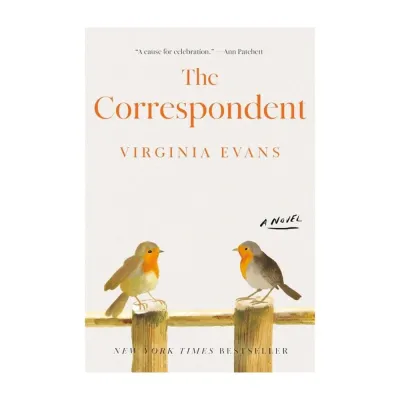
Prices are valid at publication and may change. Please refer to the product page for the latest price.

Conversely, if you feel overwhelmed by the modern media landscape or struggle to make sense of conflicting public narratives, your goals are cognitive and philosophical. You require resources that challenge your underlying assumptions, improve your critical thinking, and help you analyze complex systems. This type of growth does not happen through quick checklists; it requires immersive, narrative-driven reading that forces you to slow down and reflect.
Identifying your preferred learning style is equally critical to sustaining your reading habits. Some readers thrive on data-heavy academic texts filled with statistical models and formal studies. Others prefer narrative journalism, where complex societal issues are explained through human stories and investigative reporting. Knowing whether you prefer a clinical, data-first approach or a narrative-driven, contextual style will help you determine if ‘The Correspondent’ matches your cognitive preferences.
Step 2: How to Evaluate 'The Correspondent' Before Buying
Evaluating a book before purchase requires a systematic approach, especially when navigating the vast selection available at local bookstores or online marketplaces. Never rely solely on a book’s cover design, promotional blurb, or social media popularity. Instead, start by examining the table of contents and chapter summaries. This structure reveals the logical framework of the author’s argument and helps you verify if the topics covered actually address your specific knowledge gaps.
Next, read the introduction or a sample chapter to assess the author’s tone and evidence style. A well-written introduction outlines the book’s core thesis and demonstrates how the author gathers and presents facts. Pay attention to whether the writing style keeps you engaged or feels unnecessarily dense. If the tone does not resonate with you during a brief preview, it is unlikely to sustain your interest over several hundred pages.
Finally, verify the specific publication details to ensure a seamless reading experience. Check the edition, language, and medium to confirm they match your preferences. If you prefer digital reading, verify that the file format is fully compatible with your specific e-reader or tablet device. For physical copies, check the publisher details to ensure you are purchasing a complete, authorized edition rather than an abridged version or a poorly formatted print-on-demand copy.
Step 3: Signs 'The Correspondent' Is (or Isn't) the Right Fit
Recognizing the clear indicators of compatibility can save you both time and money. A major green flag is when the book’s core themes directly address the systemic questions you have been asking. If you find yourself wanting to understand the structural forces behind global events rather than just receiving surface-level summaries, this style of deep-dive journalism is an excellent fit. Another positive sign is if the author’s pacing allows you to pause and connect the concepts to your own professional or personal life.
On the other hand, several red flags suggest the book might not align with your current needs. If you are currently experiencing high levels of cognitive fatigue and need straightforward, low-effort solutions to immediate problems, a dense non-fiction analysis will likely end up half-read. If you open a chapter and find the systemic focus frustrating because it does not offer a direct ‘how-to’ guide for your daily routine, this is a clear sign to look for a more tactical alternative.
When faced with conflicting online reviews, focus on descriptive feedback rather than subjective ratings. Look for reviews that describe the book’s structural layout, the depth of its research, and the balance between narrative storytelling and analytical commentary. If multiple reviewers note that the book is highly theoretical and lacks step-by-step instructions, use that objective description to decide if that style matches your current learning goals.
Step 4: Next Steps and Alternative Reading Paths
Once you have evaluated your goals and the book’s structure, you can decide on the best path forward. If you decide to read the book, consider borrowing it first. Local public libraries and digital library applications offer an excellent, cost-effective way to read the book without financial commitment. If you prefer to own a physical copy for highlighting and annotating, purchase it from an authorized local bookstore or a reputable online marketplace to guarantee content completeness.
If you conclude that ‘The Correspondent’ is not the right fit, use your self-assessment to select a more suitable alternative. For tactical productivity, search for titles explicitly categorized under behavioral science or habit formation. If you want to improve your critical thinking but prefer a more structured, academic approach, look for introductory textbooks on formal logic or cognitive psychology.
If you do purchase the book, maximize its value by integrating its insights into an active personal development routine. Avoid passive reading; instead, keep a dedicated notebook to write down key concepts and personal reflections. Discuss the chapters with friends or join a local reading group to debate the ideas. Applying these analytical concepts to your daily observations is the most effective way to turn non-fiction reading into lasting cognitive growth.
Frequently Asked Questions (FAQ)
How can I preview 'The Correspondent' before committing to a full purchase?
You can easily preview the book by utilizing the ‘look inside’ or sample features on authorized online bookstores, which typically allow you to read the introduction and the first chapter. Alternatively, check your local public library’s digital catalog to borrow a sample or place a temporary hold on the e-book version. Reading published excerpts, author interviews, or detailed book discussions in reputable literary journals can also provide an accurate representation of the book’s overall tone and depth.
What if my self-improvement goals change while reading the book?
If your personal development focus shifts while reading, you do not need to force yourself to finish the book linearly. Non-fiction books are flexible tools; you can adapt by reviewing the table of contents and skipping directly to the chapters that match your new objectives. You can also pause reading entirely, treat the book as a reference resource for future projects, and transition to a different title that directly addresses your immediate learning needs.
Community discussion
Share your experience or ask a question. Comments are reviewed before publication.