
Choosing your very first guitar is a pivotal moment in your musical journey, and the rise of highly compact, digital-hybrid instruments has introduced exciting new options. The Enya Cyber G Pocket represents a modern departure from the traditional wooden acoustic guitar, offering a slim, highly portable form factor packed with onboard digital features. Whether this innovative instrument is the right choice for a beginner depends on your specific living situation, practice habits, and what you want your learning experience to feel like. While it offers unparalleled convenience for modern lifestyles, it may not provide the classic tactile feedback or natural acoustic resonance that some traditionalists prefer.
To make an informed decision, you must look beyond the sleek aesthetics and evaluate how this guitar fits into your daily routine. A beginner’s success relies heavily on minimizing friction—meaning the instrument must be easy to pick up, comfortable to hold, and suitable for your immediate environment. By analyzing your physical comfort, space constraints, and musical goals, you can determine if this digital-forward pocket guitar is a brilliant stepping stone or if a traditional acoustic would serve you better.
Identifying Your Practice Environment and Goals
Your physical surroundings play a massive role in how often you actually pick up your guitar to practice. In densely populated urban areas, such as typical high-rise apartments in Singapore, space is at a premium, and sound travels easily through shared walls. A traditional dreadnought acoustic guitar is physically large, requiring dedicated storage space, and its natural projection can easily disturb family members or neighbors, especially during late-night practice sessions. If your living situation demands discretion, an instrument that supports silent practice becomes an invaluable asset rather than a luxury.
Products mentioned in this guide

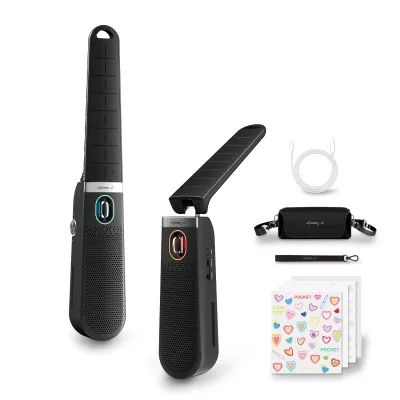
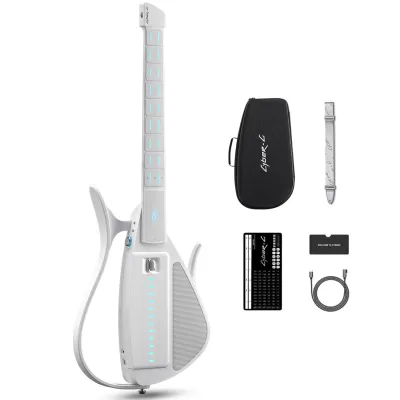
Prices are valid at publication and may change. Please refer to the product page for the latest price.
Portability is another critical factor if you plan to take your music on the go. Commuting on public transit with a full-sized guitar case can be incredibly cumbersome, often discouraging beginners from bringing their instruments to lessons, social gatherings, or outdoor spaces. A compact, pocket-sized guitar resolves this issue by fitting easily into a small gig bag that can be slung over your shoulder without getting in the way. If your primary goal is to have a highly mobile practice tool that integrates seamlessly into a busy, on-the-go lifestyle, the physical footprint of your instrument should be a primary consideration.
Checking Playability and Physical Comfort
For a beginner, physical comfort is the single most important factor in preventing early burnout. The scale length—the distance between the nut and the bridge—directly dictates how far you have to stretch your fingers to fret chords. Compact guitars often feature shorter scale lengths, which can make reaching complex chord shapes significantly easier for those with smaller hands. However, players with larger hands or thicker fingers might find the closely spaced frets feel cramped, particularly when playing higher up the neck. It is essential to assess whether the fret spacing allows you to clean-fret notes without accidentally muting adjacent strings.

String action, which refers to the height of the strings above the fretboard, also determines how much finger pressure is required to produce a clear note. High action leads to rapid finger fatigue and painful soreness, which frequently causes beginners to give up entirely. When evaluating a compact digital guitar, inspect the neck profile and the factory setup to ensure the strings sit at a comfortable, low height. Additionally, the unique pocket body shape lacks the wide, rounded lower bout of a traditional acoustic guitar. This means you must test how the instrument balances on your lap while seated, as some compact designs may require the constant use of a guitar strap to maintain a stable playing position.
Evaluating Built-in Electronics and Features
The integration of onboard electronics is where modern hybrid guitars diverge significantly from traditional instruments. Features such as built-in effects—including reverb, delay, and chorus—allow beginners to experiment with different sounds directly from the instrument without needing external amplifiers or effects pedals. Some models also include basic looping functions, which can be incredibly helpful for practicing rhythm, timing, and soloing over your own chord progressions. While these features can make practice sessions highly engaging, you should consider whether the digital interface is intuitive enough to navigate without becoming a distraction from actual technique practice.
The inclusion of a dedicated headphone output and auxiliary input or Bluetooth connectivity is a major selling point for modern learners. This setup allows you to plug in a pair of headphones and play silently while simultaneously streaming backing tracks or video lessons directly from your smartphone into your ears. However, you must pay close attention to power management. Because these features rely on active digital processing, the guitar requires a rechargeable battery. It is crucial to understand the charging mechanism, monitor the battery indicators, and verify how the guitar performs when the battery is completely depleted, as the unplugged acoustic volume will be significantly quieter.
Weighing the Price Point Against Alternatives
When allocating your budget for a first instrument, it is important to look at the total cost of ownership rather than just the sticker price. A specialized compact guitar represents a specific S$ investment that often sits higher than entry-level, traditional wooden acoustic guitars. While a standard acoustic might cost less upfront, it does not offer silent headphone practice or built-in digital effects, meaning you might eventually need to spend extra on external amplifiers, headphones, or tuning accessories. Compare the total package value to see if the convenience of the all-in-one digital system justifies the initial S$ outlay.
You should also verify exactly what accessories are included in the box when purchasing. Many hybrid guitars come bundled with a custom-fitted gig bag, charging cables, and adjustment tools, which saves you the hassle of sourcing compatible accessories separately. Finally, consider your long-term upgrade path. A highly compact, specialized instrument is an exceptional tool for travel and quiet practice, but as your skills progress toward classical techniques or formal performance, you may eventually find yourself needing to transition to a standard, full-sized acoustic or electric guitar.
Making Your Final Decision
To determine if this modern pocket guitar is the right fit for your entry into music, run through a quick mental checklist of your priorities. The green lights for this purchase are clear: if you live in a compact apartment, need to practice silently late at night, travel frequently, and enjoy integrating digital technology into your learning, this instrument is highly suitable. It offers a streamlined, low-friction way to practice consistently without environmental constraints.
Conversely, there are several red flags that should prompt you to look elsewhere. If your ultimate goal is to experience the deep, organic resonance of vibrating wood against your chest, or if you plan to pursue classical examinations that require a traditional instrument, a standard acoustic is a better choice. Additionally, if you are on an extremely tight budget and do not require silent practice, a traditional entry-level acoustic remains the most cost-effective route. Before making your final purchase on an online marketplace, we highly recommend visiting a local music store to physically hold the instrument, feel the neck, and ensure the ergonomics suit your body.
Frequently Asked Questions (FAQ)
Can I use standard acoustic guitar strings on this model?
You must always consult the manufacturer’s user manual before changing the strings on a compact or hybrid guitar. Because these instruments often feature unique scale lengths and bridge designs, using the wrong string gauge or material can apply improper tension to the neck. Standard acoustic steel strings may exert too much force if the guitar is optimized for extra-light gauges, potentially warping the neck or damaging the bridge over time. Always verify the recommended specifications to ensure safe, long-term maintenance.
Is the acoustic volume loud enough without plugging it in?
Without plugging in headphones or connecting to an external amplifier, the unplugged acoustic volume of a compact, slim-bodied guitar is naturally very quiet. The physical laws of acoustics dictate that a small, shallow body cavity cannot project sound waves with the same volume or bass response as a full-sized dreadnought. While this low volume is perfect for quiet bedroom practice, you should check official specifications or test the instrument in person to ensure the unplugged sound level meets your personal expectations for casual, unamplified playing.
Community discussion
Share your experience or ask a question. Comments are reviewed before publication.