
Choosing your first musical instrument is a pivotal step that shapes your learning journey. The Enya Nova U has gained attention as a modern alternative to traditional wooden starter instruments, primarily due to its composite construction and sleek design. If you are starting from scratch, your primary concerns are likely playability, maintenance, and whether the instrument will help or hinder your progress.
While wooden ukuleles offer a classic look, they require careful environmental management to prevent cracking. The Nova U addresses these pain points by utilizing a carbon fiber and polycarbonate composite blend. This material choice alters the instrument’s durability, physical feel, and acoustic output. Deciding if this is the right first step requires looking closely at how these design elements translate to daily practice.
How the Nova U's Design Impacts Beginner Playability
The physical geometry of an instrument directly influences how quickly a beginner can form clean chords and build muscle memory. The Nova U features a thin-body design, which significantly reduces the depth of the soundbox compared to a standard wooden ukulele. For beginners, especially those with smaller hands, this slimmer profile makes the instrument much easier to cradle securely against the body while standing or sitting.
Products mentioned in this guide
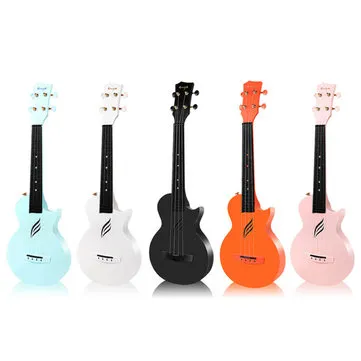



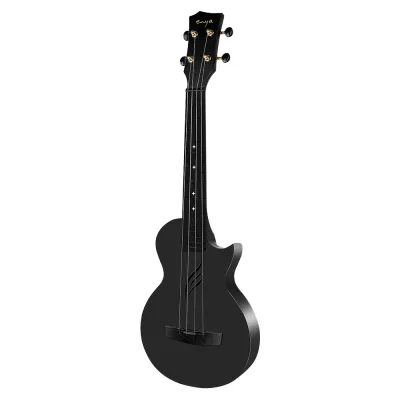
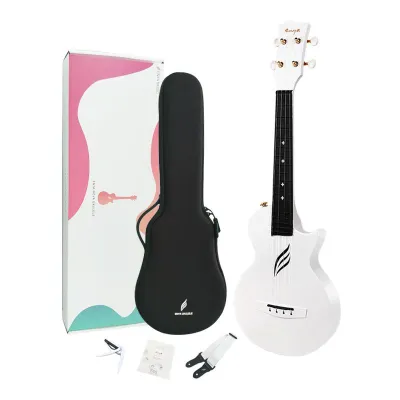
Prices are valid at publication and may change. Please refer to the product page for the latest price.
Another critical factor in playability is the neck profile and fret construction. On traditional budget ukuleles, metal frets are pressed into a wooden fingerboard; if the wood shrinks due to dry air, the metal edges can protrude, causing discomfort. Because the Nova U utilizes a molded composite construction, the frets are integrated directly into the fretboard material. This design ensures smooth edges along the side of the neck, allowing your hand to slide freely without encountering sharp metal points.
However, this molded design introduces a specific trade-off. Because the frets are part of the composite mold rather than separate metal inserts, they cannot be easily leveled or replaced if they wear down over years of heavy play. Additionally, the action—the height of the strings above the fretboard—is largely fixed by the molded nut and bridge. While the factory setup is generally designed to be low and comfortable, any adjustments will require careful sanding of the saddle rather than standard truss rod adjustments.
Self-Diagnosis: Does the Nova U Fit Your Practice Environment?
Before purchasing any instrument, it is essential to evaluate where and how you plan to practice. Traditional wooden instruments are highly sensitive to relative humidity and temperature fluctuations. In tropical climates or environments with constant air conditioning, wood can expand, contract, or crack, requiring the use of specialized humidifiers or climate-controlled cases to preserve playability.

The composite material of the Nova U is virtually impervious to these environmental stressors. If your practice routine involves moving between air-conditioned indoor spaces and humid outdoor environments, or if you plan to take your instrument to the beach or on daily commutes, a composite build offers peace of mind. It will not warp, split, or lose its structural integrity when exposed to moisture or temperature shifts, making it a highly resilient travel companion.
Tonal preference is another key element of your self-diagnosis. The composite body produces a bright, clear, and highly projected sound with a modern character. It excels at cutting through ambient noise, which is helpful for outdoor practice. However, if you prefer the warm, mellow acoustic resonance characteristic of aged mahogany or spruce, you may find the composite tone somewhat sterile. Listening to sound samples or visiting a local music shop to compare composite and wooden models side-by-side is highly recommended.
Evaluating the S$ Price and Beginner Value Proposition
When analyzing the S$ price point of the Nova U, it is helpful to look at the complete package rather than the instrument in isolation. For beginners, the initial S$ investment often covers more than just the ukulele itself. Many retail packages include essential accessories such as a custom-fit case, a strap, a capo, and spare strings. Purchasing these items separately can quickly inflate your startup costs, so a comprehensive bundle represents excellent initial value.
To ensure you are getting a genuine product and the full value of your investment, always purchase through authorized local distributors or reputable music retailers. Avoid unverified listings on general online marketplaces, as these may lack quality control or fail to include the official accessory package. Checking the seller’s return policy and warranty terms is a crucial step to protect your S$ investment against any manufacturing defects.
From a long-term financial perspective, the durability of a composite instrument enhances its overall value proposition. Because it is highly resistant to physical impacts and environmental damage, it is far less likely to require professional repairs or setups over its lifespan. For a beginner who wants a reliable, low-maintenance tool to test their interest in music without ongoing maintenance costs, this structural stability provides excellent peace of mind.
Signs the Enya Nova U Is (or Isn't) Your Ideal First Ukulele
To help streamline your decision-making process, you can evaluate your specific needs against the inherent characteristics of this instrument. A composite model is highly likely to suit your needs if you prioritize portability, durability, and modern aesthetics. It is an excellent match for players who want a “grab-and-go” instrument that requires zero maintenance and can survive accidental bumps or outdoor exposure without damage.
Conversely, this model may not be the ideal choice if you are seeking a traditional learning experience. If your aesthetic preference leans toward natural wood grains, classic satin finishes, and the organic feel of real wood under your fingertips, a composite instrument may feel too industrial. Furthermore, players who are highly sensitive to high-frequency tones might find the bright acoustic projection of polycarbonate less pleasing than the soft warmth of a traditional wooden soprano or concert ukulele.
Finally, consider your long-term musical goals. If you plan to eventually transition to high-end wooden instruments, starting with a wooden laminate model can help you get accustomed to the care, handling, and maintenance routines that traditional instruments demand. If you simply want a fun, durable, and highly playable tool to learn chords and strum along to your favorite songs anywhere, the composite path is exceptionally practical.
Next Steps: Setup and First Practice Sessions
Once you have verified that a composite ukulele aligns with your goals and have completed your purchase, your first step is to perform a basic physical inspection. Carefully unbox the instrument and verify that all bundled accessories—such as the strap, capo, and gig bag—are present and undamaged. Examine the body and neck for any signs of shipping damage, and ensure the tuning pegs turn smoothly without sticking or slipping.
When you first tune your new ukulele, keep in mind that new fluorocarbon strings stretch significantly. It is entirely normal for the instrument to go out of tune within a few minutes of playing during the first few days. To help the strings settle, tune the instrument to pitch, gently stretch each string away from the fretboard, and tune it again. Repeating this process over your first few practice sessions will rapidly improve tuning stability.
Begin your practice sessions by focusing on basic chord shapes that require minimal finger stretching, such as C major, A minor, and F major. Pay close attention to the action height; the strings should be easy to press down against the frets without causing buzzing. If you experience persistent buzzing or find the strings exceptionally difficult to press, consult your retailer to verify that the saddle and nut are properly seated.
Frequently Asked Questions (FAQ)
Do I need an amplifier for the Enya Nova U?
No, you do not need an amplifier to play the standard acoustic version of the Nova U. The composite body is designed to project sound efficiently, providing ample volume for home practice, small gatherings, and outdoor playing. However, if you purchase the acoustic-electric version equipped with an onboard pickup system, you can connect it to an amplifier or audio interface for performance or recording purposes. Always verify the exact model specifications before buying to ensure you select the version that matches your amplification needs.
How does the Nova U sound compared to a traditional mahogany ukulele?
The Nova U produces a brighter, crisper, and more modern acoustic tone with pronounced treble and clear projection. In contrast, a traditional mahogany ukulele offers a warmer, woodier sound with richer mid-range frequencies and a softer, more organic resonance. Neither tone is objectively superior; the choice depends on whether you prefer a bright, modern sound that cuts through ambient noise or a classic, mellow folk tone.
Community discussion
Share your experience or ask a question. Comments are reviewed before publication.