
George R.R. Martin’s Fire & Blood is worth reading, but only if you adjust your expectations before opening its pages. For fantasy enthusiasts in Singapore looking to invest their time and money—perhaps spending around S$25 to S$40 at a local bookstore—this book represents a major departure from the traditional narrative style of A Song of Ice and Fire. It is not a standard novel with intimate character perspectives and immediate dialogue. Instead, it is a dense, sweeping imaginary history that demands patience and a love for deep world-building.
If you enjoy tracing complex family lineages, analyzing political intrigue, and exploring the historical foundations of Westeros, this volume offers an incredibly rich experience. However, if you are looking for a fast-paced adventure or a direct continuation of the main series, you might find the academic tone and vast cast of characters challenging to navigate during your daily MRT commute. Understanding what this book actually is will help you decide whether to add it to your physical bookshelf or digital library.
Understanding the Format: A History Book, Not a Traditional Novel
The most critical detail to understand before purchasing Fire & Blood is its unique narrative framing. The book is not written from the perspective of characters experiencing events in real time. Instead, it is presented as an in-universe history text compiled by Archmaester Gyldayn, a scholar living centuries after the events he describes. This framing device completely changes the texture of the prose, turning it into a simulated chronicle rather than a traditional fantasy novel.
Products mentioned in this guide
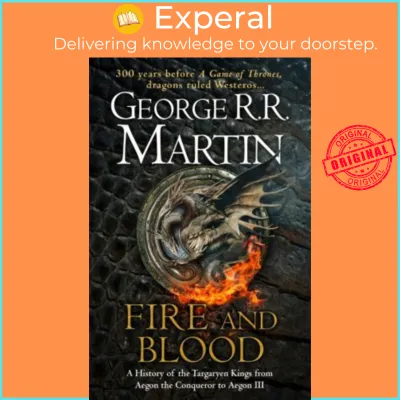
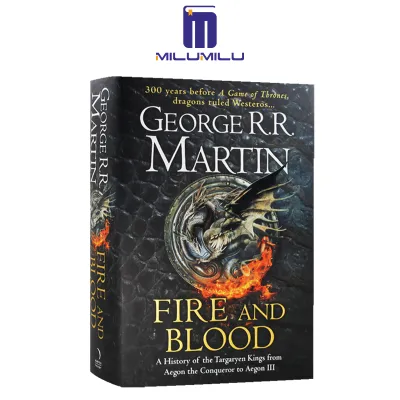
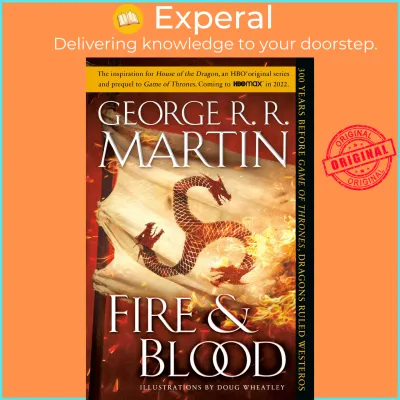
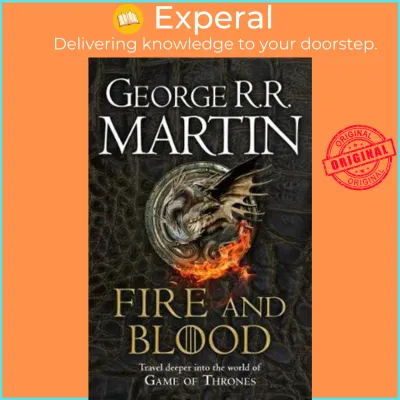
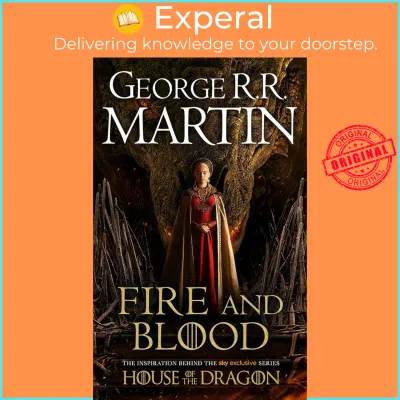
Prices are valid at publication and may change. Please refer to the product page for the latest price.
Because of this academic style, the narrative moves at a rapid chronological pace, covering generations of Targaryen rule rather than focusing on a single group of characters over a short period. You will not find the deep, internal point-of-view chapters that define the main A Song of Ice and Fire books. Instead, major historical events, battles, and reigns are summarized from a distance, punctuated by historical documents, letters, and court records.
This format also introduces the fascinating element of the unreliable narrator. Archmaester Gyldayn relies on conflicting historical sources, including court fools, grand maesters, and religious figures, each with their own biases and political agendas. As a reader, you are often left to piece together the truth behind mysterious deaths, secret alliances, and scandalous rumors. This makes reading the book feel like a historical detective project, which is highly rewarding for some but frustrating for those who prefer a definitive, objective storyline.
Who Should Read Fire & Blood? Signs It Matches Your Preferences
This book is highly suited for readers who find themselves drawn to the lore and background details of fantasy worlds. If you are the type of reader who spends hours browsing fantasy wikis, studying maps, and memorizing royal family trees, Fire & Blood will feel like a treasure trove. The sheer depth of the political maneuvering, marriage alliances, and territorial disputes provides a level of world-building that few other fantasy authors attempt.

It is also an essential read for dedicated fans of the House of the Dragon television series. While the show provides a dramatic, visual representation of the Targaryen civil war, the book offers the original source material, complete with cut subplots, minor historical figures, and broader context that could not fit into a television season. Reading the text allows you to compare the show’s creative choices with the various historical accounts recorded by Gyldayn.
Furthermore, if you appreciate the analytical tone of historical non-fiction, you will likely enjoy how Martin applies this style to a fictional universe. The book appeals to those who enjoy real-world history books about royal dynasties, such as the Plantagenets or the Tudors. In Singapore, where readers often appreciate structured, intellectually stimulating narratives alongside local speculative fiction, this analytical approach offers a refreshing change of pace from standard hero-centric fantasy.
Who Might Want to Skip It? When to Wait or Choose Differently
Conversely, Fire & Blood may not be the right choice if you are looking for a traditional hero’s journey. The book lacks a central protagonist to root for over the course of its pages. Characters rise to power, wage war, grow old, and die within the span of a few chapters. If you require deep emotional attachment to specific characters and continuous, detailed dialogue to stay engaged, the dry, historical overview might feel tedious.
The sheer volume of names, dates, and minor lordly disputes can also be overwhelming. With dozens of characters sharing similar Targaryen names—often differing by only a letter or two—keeping track of who is who requires significant mental effort. If you prefer light, fast-paced reading to unwind after a long day, the academic density of this book might feel more like homework than entertainment.
Finally, if you are strictly waiting for the release of The Winds of Winter and have little interest in prequel lore, this book will not satisfy your craving. It does not advance the timeline of the main series, nor does it resolve the cliffhangers left at the end of A Dance with Dragons. If your interest in Westeros is tied solely to the fates of Jon Snow, Daenerys Targaryen, and Arya Stark, you may want to skip this historical detour entirely.
How It Connects to House of the Dragon and the Main Series
To understand where Fire & Blood fits into the broader legendarium, it helps to look at the specific timeline it covers. The book begins with Aegon the Conqueror’s unification of the Seven Kingdoms and proceeds chronologically through the reigns of his successors. This includes the peaceful rule of Jaehaerys the Conciliator, the devastating civil war known as the Dance of the Dragons, and the troubled regency that followed the conflict.
This historical backdrop directly enriches your understanding of the main novels. By learning about the rise and fall of the Targaryen dynasty, you gain a much deeper appreciation for the political landscape of Westeros during the events of A Game of Thrones. The legacy of the dragons, the origins of various noble houses, and the ancient prophecies that haunt the Targaryen bloodline all become much clearer when you understand the history that shaped them.
For viewers of the television adaptation, the book acts as a companion piece that explains the internal motivations of key players. While the screen version must choose one definitive path for the narrative, the book presents multiple interpretations of why characters made their fateful decisions. This dual perspective adds a layer of complexity to the tragedy of the Targaryen civil war, making both the book and the show more enjoyable when experienced together.
What to Check Before Buying Your Copy
Before you head to a local bookstore or browse an online marketplace, there are several practical factors to verify to ensure you get the best reading experience. First, pay close attention to the physical edition you choose. Because of the dense lineage tracking required, having clear, legible family trees and maps is incredibly helpful. Some paperback editions compress these illustrations, making them difficult to read, so verifying the layout of the appendices in a physical copy or via online previews is highly recommended.
If you prefer digital formats or audiobooks, consider the narration style and length. The audiobook version of Fire & Blood is exceptionally long, narrated in a stately, theatrical tone that matches the academic style of the text. This can be an excellent way to consume the dense material during long commutes, but you should listen to a sample first to ensure the narrator’s pacing suits your listening preferences.
Lastly, keep in mind that the currently available book is officially titled Fire & Blood: Volume 1. It only covers the first half of the Targaryen dynasty’s history in Westeros. The narrative pauses during the reign of Aegon III, leaving the remaining history—including the Blackfyre Rebellions and the reign of the Mad King—for a planned second volume. Knowing this prevents the disappointment of reaching the end of the book only to realize that several major historical events have been saved for a future release.
Frequently Asked Questions (FAQ)
Do I need to read the main A Song of Ice and Fire series first?
No, you do not need to have read the main novels to enjoy Fire & Blood. Because the book functions as a standalone prequel set hundreds of years before the events of A Game of Thrones, it does not spoil the unresolved plotlines of the main series. While prior familiarity with the geography and noble houses of Westeros certainly enriches the reading experience, new readers can easily use this historical chronicle as their very first introduction to George R.R. Martin’s fantasy world.
Is the Fire and Blood story complete, or are there more volumes?
The story is only partially complete. The published book is the first of a planned two-volume set detailing the history of the Targaryen kings. Volume 1 concludes with the regency of Aegon III, leaving approximately 150 years of history untold. The anticipated second volume is intended to cover the remaining monarchs leading up to Robert’s Rebellion, though a release date has not been finalized.
How much does the book differ from the House of the Dragon show?
The book differs significantly from the television adaptation in both structure and characterization. Because the book is written as a historical compilation of conflicting rumors, it often presents multiple versions of the same event, whereas the show must choose a single, definitive narrative to depict on screen. Additionally, the television series consolidates certain characters, alters the timeline for pacing purposes, and provides explicit motivations for actions that the book’s in-universe historian can only speculate about.
Community discussion
Share your experience or ask a question. Comments are reviewed before publication.