
Deciding whether a self-improvement book like The Handy is worth your time and money requires looking beyond promotional taglines to evaluate its actual utility. For self-improvement seekers, a book’s true value lies in its ability to offer structured, actionable guidance that fits into a daily schedule rather than just delivering temporary motivation. Before purchasing, you must verify the specific edition, assess the practical tools provided within the chapters, and cross-reference independent reader reviews to ensure the content aligns with your personal development goals. Taking a systematic approach to evaluating this text will help you determine if it serves as a practical manual for growth or if it simply repeats familiar self-help concepts.
Understanding the Core Promise and Verifying the Edition
Evaluating any self-improvement book begins with a clear understanding of what the text actually promises to solve. To determine if The Handy aligns with your current personal development needs, start by examining the official synopsis, the table of contents, and the author’s professional background. A well-structured table of contents reveals whether the book follows a logical progression or relies on repetitive anecdotes to fill pages. Investigating the author’s credentials helps verify whether the advice is grounded in established psychological principles, professional coaching experience, or subjective personal experiences.
Because books are frequently updated, revised, or adapted for different markets, verifying the publication details is a crucial step before making a purchase. Check the publication year and the specific edition number to ensure you are accessing the most up-to-date content, as revised editions often include updated research, corrected exercises, or new chapters. Additionally, confirm the language of the edition to avoid regional translations that might lose the nuance of the original text.
Products mentioned in this guide
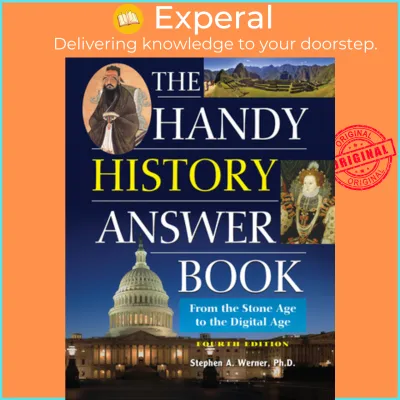
Prices are valid at publication and may change. Please refer to the product page for the latest price.
The format you choose should complement your daily routine, device compatibility, and regional availability. Print editions are excellent for those who prefer physical highlighting and writing directly in the margins during exercises. E-books offer immediate access and portability, but you must verify that the file format is compatible with your specific e-reader or tablet. For busy professionals in Singapore who commute regularly, the audiobook format might be the most practical choice, provided the narrator’s pacing is engaging and the accompanying digital PDFs of worksheets are easily accessible.
Evaluating Actionability and Practical Value
A common pitfall of the self-improvement genre is the tendency to offer abstract theories without concrete steps for implementation. To assess whether The Handy delivers genuine practical value, seek out sample chapters or digital previews to analyze the writing style and structure. Look closely at how chapters conclude; highly actionable books typically end with clear, step-by-step exercises rather than vague philosophical summaries. If the sample text focuses heavily on telling you why you should change without explaining how to execute that change, the book may lean too far into theoretical motivation.

Practical tools are the backbone of any effective self-help resource. When previewing the book, check for the inclusion of dedicated worksheets, habit-tracking templates, or structured self-assessment questionnaires. These tools indicate that the author has designed the book as an interactive guide rather than a passive reading experience. Real-world case studies are also valuable, but they must be analyzed critically to ensure they illustrate practical applications of the book’s methodology rather than serving as idealized success stories.
Finally, you must evaluate the sustainability of the habits or lifestyle changes recommended in the text. Some self-improvement frameworks demand drastic daily routines or significant financial investments in supplementary tools. Consider whether the time commitments required to practice the book’s methods fit realistically into your current lifestyle. If a methodology requires hours of daily reflection or complex tracking systems that conflict with your professional and personal responsibilities, you are unlikely to maintain the practices long enough to see meaningful results.
Separating Genuine Feedback from Marketing Hype
In an era of coordinated promotional campaigns, distinguishing authentic reader experiences from marketing hype is essential. To build an objective view of The Handy, cross-reference ratings across multiple independent book platforms, library catalogs, and dedicated reader communities. Relying solely on the promotional reviews featured on the book’s cover or the publisher’s website often provides a one-sided perspective. Independent platforms allow you to see a broader distribution of ratings, helping you identify common patterns in both praise and criticism.
When reading reviews, filter out superficial comments that offer generic praise like “life-changing” or “highly inspiring” without explaining why. Instead, prioritize detailed, mid-tier reviews—such as three-star or four-star ratings—which often provide the most balanced critiques. These reviews typically highlight specific chapters that offered genuine breakthroughs while pointing out structural flaws, repetitive sections, or areas where the advice fell short. Paying attention to these balanced perspectives helps manage your expectations before you invest your time.
Be particularly cautious of sudden surges in popularity driven by social media trends or influencer endorsements. Many promotional campaigns are designed to create a sense of urgency or viral appeal around a new release. If an endorsement focuses heavily on the aesthetic appeal of the book or uses vague buzzwords without discussing the actual frameworks taught inside, it is likely a sponsored promotion. Focus instead on discussions within serious reading groups or professional development forums where members share how they applied the book’s concepts over several months.
Decision Matrix: Is 'The Handy' Right for Your Current Stage?
To make a final decision on whether to purchase, borrow, or skip The Handy, you can use a simple decision framework based on your current personal development bottlenecks and budget. Purchasing a personal copy is highly justified if the book’s core methodology directly targets a specific challenge you are currently facing, such as time management or goal setting. If you plan to write in the margins, complete the exercises multiple times, and use the text as a daily reference manual, owning a physical or digital copy is a worthwhile investment.
If you are intrigued by the book’s concepts but suspect they may overlap with self-help books you already own, borrowing is the most sensible path. Residents in Singapore can utilize the National Library Board’s digital catalog to check for e-book or audiobook availability, allowing you to read the text without financial commitment. Alternatively, reading a detailed summary or listening to an authorized podcast interview with the author can help you grasp the core frameworks to determine if the full text offers enough new information to warrant a purchase.
Skipping or postponing the book is the best course of action if independent reviews consistently point to a lack of depth or excessive repetition. If your schedule is already overwhelmed, adding a demanding self-improvement book to your to-do list may only create unnecessary stress. Postpone the reading until you have the mental bandwidth to fully engage with the exercises, or look for a more concise resource that delivers the same concepts in a highly condensed format.
Frequently Asked Questions (FAQ)
How can I preview 'The Handy' before committing to a full purchase?
You can preview the book by visiting major online book retailers and utilizing their digital preview features, which typically allow you to read the introduction and the first chapter. Another effective method is to search for the author’s guest appearances on educational podcasts or professional development channels, where they often explain their core frameworks in detail. Additionally, you can check local library networks or digital lending platforms to see if a sample or a borrowable copy is available for a risk-free evaluation.
What should I do if 'The Handy' doesn't match my current learning style?
If you find the book’s format unsuitable, identify the specific element that is causing the mismatch, such as a preference for visual diagrams over dense text. You can pivot to alternative formats, such as interactive online courses, structured video workshops, or workbook-style publications that focus entirely on exercises. Reassessing your preferred learning medium ensures you select self-improvement resources that you will actively engage with and successfully complete.
Community discussion
Share your experience or ask a question. Comments are reviewed before publication.