
Deciding whether to invest your time and money in Ikigai: The Japanese Secret to a Long and Happy Life depends entirely on what you hope to get out of it. If you are looking for a gentle, philosophical introduction to mindfulness, longevity, and finding joy in daily habits, this book offers a comforting and accessible read. However, if you are seeking a highly structured, step-by-step career guide or a rigorous scientific framework to overhaul your professional life, you may find its concepts somewhat abstract. For readers navigating a fast-paced, high-pressure urban environment, the book serves as a reminder to slow down, but it requires some personal adaptation to make its lessons practical.
By understanding what the book truly offers versus the marketing hype surrounding it, you can make an informed decision on whether to add it to your bookshelf, borrow it from a local library, or seek out alternative resources that better align with your personal development goals.
What the Ikigai Book Actually Teaches
Written by Héctor García and Francesc Miralles, the book explores the concept of ikigai—a Japanese term translating roughly to “a reason for being” or “the happiness of always being busy.” The authors travel to Ogimi, a village in Okinawa known for its high concentration of centenarians, to observe the daily habits, diets, and social structures of its residents. Through these observations, the book attempts to distill the secrets of a long, purposeful life.
Products mentioned in this guide
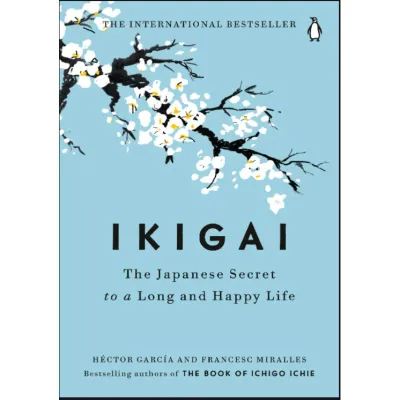
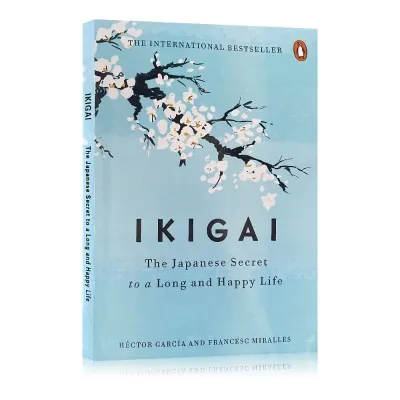

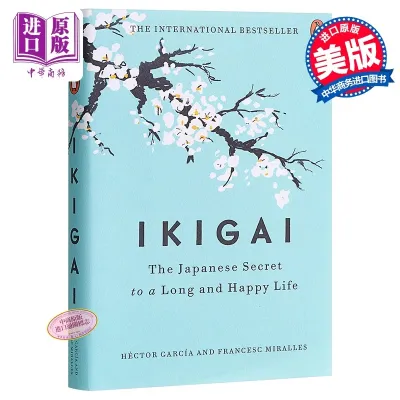

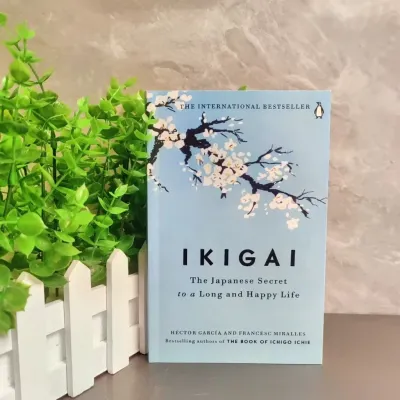
Prices are valid at publication and may change. Please refer to the product page for the latest price.
Many readers approach the book expecting an in-depth analysis of the famous four-circle Venn diagram that intersects what you love, what you are good at, what the world needs, and what you can be paid for. It is important to note that this specific Venn diagram is actually a Westernized adaptation popularized online rather than the traditional Japanese concept of ikigai. The book itself touches on these intersecting elements but focuses far more on holistic lifestyle factors. It emphasizes community support networks, gentle physical activity, dietary habits like eating until you are only 80% full, and cultivating a state of flow in daily tasks.
Rather than offering a rigid academic text, the authors present a blend of narrative travelogue, philosophical reflections, and simple lifestyle suggestions. The content is designed to be easy to digest, featuring short chapters, inspiring anecdotes, and basic exercises aimed at helping you identify your personal values and daily sources of joy.
Who Will Benefit Most from This Read
This book is highly suited for individuals who feel overwhelmed by the relentless pace of modern city life and are looking for a gentle, reflective pause. If you are experiencing burnout, feeling disconnected from your daily routine, or searching for a broader sense of purpose beyond corporate achievements, the authors’ emphasis on community, nature, and slow living can provide a refreshing perspective.

It is also an excellent choice for readers who enjoy narrative-driven self-improvement books that prioritize storytelling over dense data. The simple, encouraging tone makes it an easy weekend read or a comforting companion during a daily commute. It serves as a starting point for self-reflection, helping you identify small changes you can make to improve your overall well-being.
However, this book is less suitable for those who require concrete, evidence-based career planning tools. If you are in the middle of a major career transition and need actionable advice on resume building, skill acquisition, or financial planning, the broad philosophical advice in Ikigai may feel too vague. Additionally, readers who prefer rigorous scientific studies or deep psychological interventions might find the observational anecdotes and general wellness tips somewhat superficial.
Assessing the Practical Value for Your Daily Routine
To get the most value out of the book, you must evaluate how realistic its suggestions are for your specific circumstances. The lifestyle of Okinawan villagers—characterized by close-knit community groups, low-stress agricultural work, and constant outdoor activity—can be difficult to replicate if you live in a dense, high-cost urban center. Balancing long working hours, family commitments, and financial pressures makes a complete lifestyle overhaul highly impractical for most.
Despite these systemic constraints, the core principles can still be adapted to a busy routine. Instead of trying to replicate the Okinawan lifestyle exactly, you can focus on micro-habits. This might involve finding small moments of “flow” in your current job, dedicating thirty minutes a week to a creative hobby, or making a conscious effort to connect with friends and neighbors. The practical value of the book lies not in copying the centenarians’ lives, but in using their philosophy to audit your own daily choices.
Ultimately, translating the book’s ideas into sustainable habits requires active effort. The text provides the inspiration, but you must design the practical steps. If you read it passively without engaging in the reflection prompts or making intentional adjustments to your schedule, the concepts are likely to remain pleasant but unfulfilled ideas.
Making the Final Decision: Buy, Borrow, or Skip
When deciding how to approach this book, consider your reading habits, budget, and learning preferences. Spending S$20 to S$30 on a physical copy is a worthwhile investment if you enjoy highlighting key passages, writing in the margins, and keeping inspirational books on your nightstand for regular re-reading. The physical design of many editions, with their minimalist covers, also makes them popular additions to personal collections.
If you prefer to read a book once and move on, borrowing is a highly practical alternative. Given the book’s short length and straightforward language, you can easily finish it within a standard library loan period. Accessing it through a public library system—either as a physical copy, an e-book, or an audiobook—allows you to evaluate the content without financial commitment.
Before making a purchase, always verify the specific edition details. Ensure you are selecting the translation and format that match your preferences, as several books on the market share similar titles or themes. Check the publisher details, translator credits, and device compatibility if you are purchasing a digital version. If you find that the narrative style of Ikigai does not resonate with you, consider skipping it in favor of more structured personal development books that focus on habit formation, time management, or career design.
Frequently Asked Questions (FAQ)
Is the Ikigai book based on scientific research?
The book is primarily built on observational anecdotes, interviews, and cultural philosophy rather than peer-reviewed scientific studies. While it references general wellness concepts and demographic data regarding longevity in Okinawa, the conclusions drawn are qualitative. Readers should view the book’s advice as reflective prompts and lifestyle suggestions rather than medical, psychological, or career-planning guarantees.
Are there different versions or translations available?
Yes, there are multiple editions, translations, and formats available globally. The most prominent version is translated from Spanish by Heather Cleary, but you should carefully verify the author names (Héctor García and Francesc Miralles) and publication details before purchasing. Other authors have written books on the same concept, so checking the table of contents and publisher information ensures you receive the exact text and complete content you intend to read.
Community discussion
Share your experience or ask a question. Comments are reviewed before publication.